
Beautiful Plants For Your Interior
Beautiful Plants For Your Interior
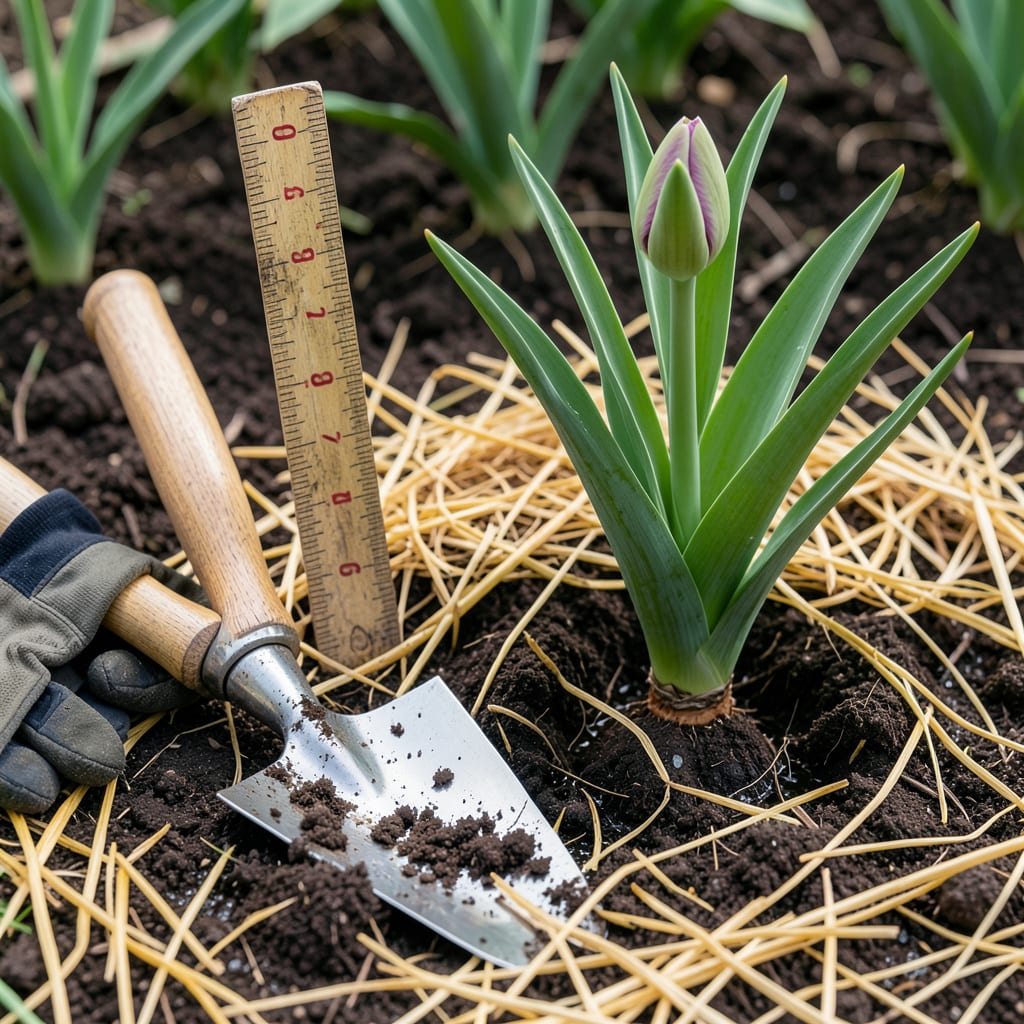
Michigan gardeners know the frustration of planting tulips too late—only to watch them fail to bloom come spring. The secret lies in that narrow fall window when soil temperatures are just right, but timing varies dramatically from Traverse City to Detroit.
I’ve tested this firsthand across Michigan’s zones, and what I’ll share could save your 🌷 tulips from becoming squirrel snacks or winter casualties. Let’s cut through the guesswork and pinpoint the exact weeks to plant for vibrant spring color—no matter where you are in the state.
If you’ve ever wondered why your neighbor’s tulips burst into color while yours stay dormant, the answer often lies in planting timing. Michigan’s diverse climate—spanning USDA zones 4-6—means what works in Detroit won’t always fly in Marquette. The golden rule? Plant 6-8 weeks before the first hard frost, when soil temps dip below 60°F.
In the Upper Peninsula (Zone 4-5), that window slams shut by early October, while Lower Peninsula gardeners (Zone 6) can often push into late October. But soil temperature trumps calendar dates—grab a soil thermometer to confirm. I’ve seen bulbs planted in warm soil sprout prematurely, only to be zapped by November frosts.
💡 Pro Tip: Use Michigan’s frost date calculator to refine your timing.
Here’s the kicker: Soil temperature matters more than air temperature. Aim for 50–60°F at 6″ depth. Too warm? Bulbs may sprout too soon. Too cold? Roots won’t establish before winter. I use a $10 meat thermometer (yes, really!) to check—just wipe it clean after.
For Upper Peninsula gardeners, that sweet spot often hits by late September. In Detroit or Grand Rapids, you’ve got until mid-October. But watch the forecast: if a cold snap threatens, plant earlier. Tulips need 4-6 weeks of root growth before the ground freezes.
What if you miss the window? You’ve got options: Potted bulbs can be planted until the ground freezes (just add extra mulch), or store them in a cool, dark place (40–50°F) for spring planting. But be warned—spring-planted tulips often bloom a year later.
Don’t forget microclimates! South-facing slopes or urban areas (like Ann Arbor) warm faster, so adjust timing. And if you’re in Zone 6b (near the Indiana border), you might sneak in early November plantings—if the soil cooperates.
I’ve had the best luck with ‘Darwin Hybrid’ tulips in Michigan—they’re tougher against late frosts. Pair them with daffodils (deer-resistant!) for a foolproof spring show. Just remember: Deeper planting (8″) helps bulbs survive Michigan’s temperature swings.
Still unsure? Here’s my fail-safe test: If the maple leaves are turning but haven’t dropped, it’s go time. And always water thoroughly after planting—this settles soil and jumpstarts root growth before winter dormancy.
One last thing: Label your bulbs! Michigan’s long winters make it easy to forget where you planted. I use popsicle sticks and a Sharpie—low-tech but effective. Come spring, you’ll thank yourself when those 🌷 tulips pop up right where you planned.
Now that you know when to plant, let’s tackle the how-to for Michigan’s unique soil conditions. Our state’s clay-heavy soil in many areas can spell disaster for bulbs if not amended properly. I’ve learned the hard way that tulips need well-draining soil to avoid rot over winter.
Start by selecting a sunny spot (at least 6 hours of sunlight). In Michigan, that often means avoiding low-lying areas where cold air pools. Grab a shovel and compost—you’ll need to amend the soil before planting. For clay soil, mix in sand or peat moss to improve drainage.
✂️ Pro Tip: Soak bulbs in 0.5% hydrogen peroxide solution for 10 minutes before planting to prevent fungal issues common in Michigan’s damp falls.
For sandy soil (common in West Michigan), add organic matter to retain moisture. I mix in coconut coir—it holds water better than peat and is more sustainable. Remember: Tulips hate wet feet! If your soil stays soggy, consider raised beds or planting in containers.
Deer and squirrels are public enemy #1 for Michigan tulip lovers. I’ve had entire beds dug up overnight! Protect bulbs by: • Planting daffodils nearby (deer avoid them) • Sprinkling blood meal in the hole (squirrels hate the smell) • Covering with chicken wire until soil freezes
After planting, resist the urge to water unless we have a dry fall. Too much moisture + cold temps = bulb rot. But if November brings no rain, give them a light drink. The goal is moist but not soggy soil going into winter.
Come spring, remove mulch gradually as temps rise. I start when crocuses bloom—that’s nature’s signal that tulips are waking up! If you planted ‘Darwin Hybrid’ or ‘Fosteriana’ varieties, they’ll handle Michigan’s late frosts better than most.
First-year blooms might be modest, but year two? That’s when Michigan tulips really shine. Just remember: Never cut foliage until it turns yellow (about 6 weeks post-bloom). Those leaves feed next year’s flowers! 🌷
Even experienced Michigan gardeners can sabotage their tulip bulbs with simple oversights. After years of trial and error (and a few heartbreaking springtime flops), I’ve pinpointed the five most costly mistakes—and how to sidestep them for guaranteed blooms.
The biggest culprit? Planting too shallow. Michigan’s freeze-thaw cycles can heave bulbs right out of the ground if they’re not 8 inches deep. I learned this the hard way when my first-year tulips became squirrel snacks after winter pushed them to the surface.
⚠️ Michigan Reality Check: Our late frosts can damage early sprouts. If tulips emerge too soon, cover with frost cloth on cold nights.
Another silent bloom-killer? Overcrowding bulbs. While it’s tempting to pack them in for a dense display, tulips need 4-6 inches of space to access nutrients. I use a bulb planter tool to ensure consistent depth and spacing—it’s a game-changer for uniform blooms.
Here’s a mistake I see every year: Cutting foliage too soon. Those ugly yellow leaves feed next year’s flowers! Wait until they’re completely brown (about 6 weeks post-bloom). I tie mine with twine to keep beds tidy while they die back naturally.
Michigan’s sandy soils (especially near Lake Michigan) drain too fast, leaving bulbs parched. If your soil feels like a beach, mix in coconut coir to retain moisture. Conversely, clay soil (common in Southeast Michigan) can drown bulbs—add perlite or sand to improve drainage.
Finally, don’t assume all tulips thrive equally here. Varieties like ‘Darwin Hybrid’ and ‘Fosteriana’ handle Michigan’s mood swings best. I avoid ‘Parrot tulips’—they’re stunning but often flop in our windy springs. Stick with sturdy stems for reliable color year after year. 🌷
Planting too early can cause premature sprouting before winter. When soil temperatures stay above 60°F, bulbs may start growing shoots that get damaged by frost. This weakens the plant and often results in no spring blooms.
Use a soil thermometer to check temperatures at 6-inch depth. Ideal planting conditions are 50-60°F. You can also test by digging a small hole—if the soil feels cool to the touch but isn’t frozen, it’s perfect for tulip bulbs.
Containers are great for Michigan gardeners with poor soil or limited space. Use pots at least 12 inches deep with drainage holes. Plant bulbs 8 inches deep, water well, and move containers to a sheltered spot (like a garage) once soil freezes.
In Zone 6 (southern Michigan), you can plant as late as early November if soil remains workable. However, bulbs need 4-6 weeks to establish roots before ground freezes. For best results, aim to finish planting by October 30.
Common reasons include planting too shallow, poor drainage, or cutting foliage too soon. Michigan’s clay soil can also suffocate bulbs. Check if bulbs were planted 8 inches deep and left foliage until it turned completely brown (about 6 weeks post-bloom).
