
Beautiful Plants For Your Interior
Beautiful Plants For Your Interior
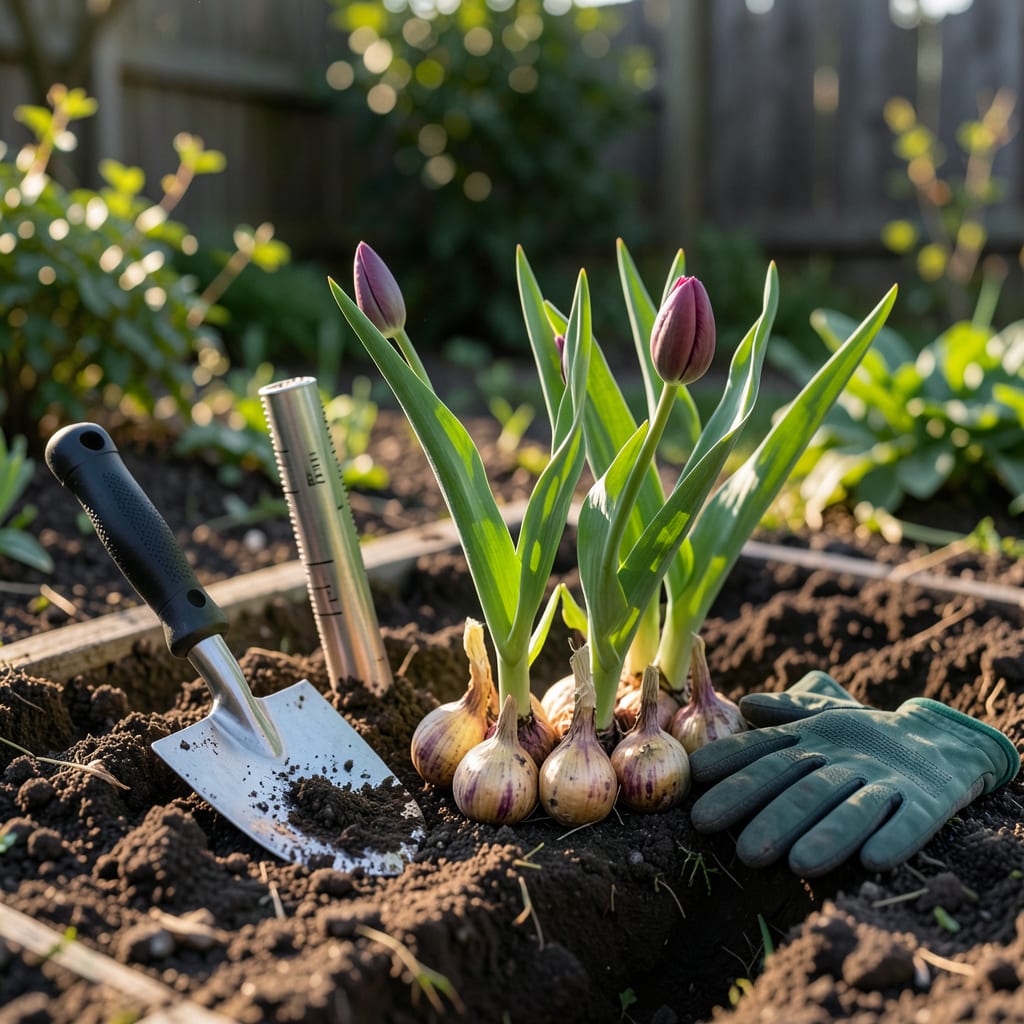
Dreaming of a vibrant spring garden bursting with 🌷 tulips? In California, timing isn’t just important—it’s everything. Plant too early in warm inland areas, and your bulbs might rot. Wait too long along the coast, and weak roots could ruin your display.
I’ve cracked the code for California’s tricky climates, from foggy Zone 10a coasts to chilly Zone 7b valleys. Whether you’re in San Diego or Sacramento, I’ll show you the exact windows to plant for show-stopping blooms. Let’s dig in—your future self will thank you come March.
If you’ve ever wondered why your neighbor’s tulips bloom beautifully while yours flop, the answer often lies in when you planted them. California’s wildly different climates—from foggy coasts to scorching valleys—mean there’s no one-size-fits-all planting time. The key is matching your local microclimate to the bulbs’ needs.
In cooler Northern California (think Sacramento or Redding), tulips thrive when planted in September to early November. But head south to Los Angeles or San Diego, and you’ll need to adjust for warmer winters. Here’s how to nail the timing for your exact region.
| Region | USDA Zones | Best Planting Months | Soil Temp Threshold |
|---|---|---|---|
| Coastal CA (SF, LA, SD) | 9-10 | Dec–Jan | Below 60°F |
| Central Valley (Sacramento, Fresno) | 8-9 | Oct–Nov | 55–60°F |
| Mountains (Tahoe, Shasta) | 6-7 | Sep–Oct | Below 55°F |
| Desert (Palm Springs, Death Valley) | 8b-9a | Nov–Dec (pre-chill required) | Below 60°F |
Pro Tip: Use a soil thermometer to check temps at 6″ depth—where bulbs root!
Coastal gardeners, listen up: Your marine layer is a game-changer. The cool, foggy summers and mild winters mean you can plant tulips as late as January. But don’t wait too long—bulbs need 6–8 weeks of chilling (below 40°F) to bloom. No frost? No problem! Pop them in the fridge for 6–10 weeks before planting.
Inland areas like the Central Valley or foothills have hotter summers and colder winters, so aim for October planting. The goal is to get bulbs in the ground 6 weeks before your first frost. If you’re in USDA Zone 8, that’s usually mid-November. Plant too late, and roots won’t establish before winter.
Mountain gardeners, your shorter growing season means planting by early October. Soil temps drop fast, so don’t delay! Add a 2–3 inch mulch layer (straw or shredded leaves) to insulate bulbs from freeze-thaw cycles. This also deters gophers, which love tulip bulbs as much as we do.
Desert dwellers, you’ve got the trickiest climate. Your low-chill winters mean most tulips won’t bloom unless you pre-chill bulbs for 8–10 weeks. Plant in November–December, and choose heat-tolerant varieties like ‘Apeldoorn’ or ‘Fosteriana’. Water deeply after planting, then cut back—overwatering rots bulbs in warm soil.
No matter where you are, soil prep is non-negotiable. Tulips hate soggy feet, so amend heavy clay with compost or plant in raised beds. Dig holes 3x deeper than the bulb’s height (about 6–8” deep), and space them 4–6” apart. A sprinkle of bulb fertilizer (9-9-6 NPK) at planting gives them a nutrient boost for spring.
After planting, mark your spots! Tulip foliage dies back by summer, and it’s easy to forget where they’re hiding. Use biodegradable flags or plant annual markers like pansies above them. Come spring, you’ll be rewarded with vibrant blooms—just in time for California’s legendary wildflower season.
Still unsure? Here’s my foolproof rule: If your nighttime temps consistently hit the 40s–50s°F, it’s tulip-planting time. Grab your bulbs, a trowel, and get digging—your future self will thank you when those colorful cups pop up in March! 🌷
Even with perfect timing, a few common mistakes can sabotage your tulip display. I’ve seen gardeners in Sacramento and San Diego alike lose blooms to these avoidable errors. Let’s tackle them head-on so your bulbs thrive.
The biggest blunder? Planting too early in warm regions like the Inland Empire or Central Valley. If soil temps stay above 60°F, bulbs sprout prematurely, then rot when winter rains hit. Always check soil temps at 6″ depth—not just air temps.
Fix: Test soil with a thermometer, chill bulbs 6–10 weeks if needed, and amend soil with compost.
Another costly error: Ignoring pre-chilling in mild-winter areas. If you’re in USDA Zones 9–10 (hello, LA and SD!), most tulips need 6–10 weeks of cold (35–45°F) to bloom. Skip this, and you’ll get leaves but zero flowers. Use your fridge’s crisper drawer—just keep bulbs away from fruit (ethylene gas ruins them).
Coastal gardeners often plant too late, thinking mild winters buy extra time. Wrong! Bulbs need 6–8 weeks to root before blooming. In Zone 10a, aim for December planting—earlier if you’re pre-chilling. Mark your calendar: Thanksgiving to New Year’s is your sweet spot.
Poor drainage is the silent tulip killer. California’s clay-heavy soils hold moisture, drowning bulbs. Fix it by planting in raised beds or amending soil with coarse sand + compost. Pro tip: If water pools after rain, your soil needs help. Tulips thrive in well-draining, slightly acidic soil (pH 6.0–7.0).
Finally, overwatering after planting is a rookie move. Bulbs need moisture to root, but soggy soil = rot. Water once deeply after planting, then hold off unless winter is bone-dry. In spring, resume watering when shoots appear. Stop entirely when foliage yellows—this signals dormancy.
Bonus: Gophers and squirrels adore tulip bulbs. Protect them with hardware cloth buried 6″ deep or plant in wire cages. For extra defense, interplant with daffodils—critters hate their toxic bulbs but we love their blooms! 🌷
If you’re gardening in USDA Zones 8–10—think Los Angeles, San Diego, or the Inland Empire—your tulip bulbs need a little extra TLC to bloom. Unlike colder climates, our mild winters don’t provide the 6–10 weeks of chilling tulips crave. But don’t worry, I’ve got a simple fridge trick to fool your bulbs into thinking they’ve wintered in the Alps.
The secret? Pre-chilling mimics winter’s cold snap, triggering the chemical processes bulbs need to flower. Without it, you’ll get lush green leaves but zero blooms. Aim for 10–12 weeks of chilling for most varieties, though some (like ‘Fosteriana’ tulips) may need only 6–8 weeks. Here’s how to do it right.
Pro Tip: Set a phone reminder to check bulbs every 2 weeks. Sprouts longer than 1”? Plant ASAP!
Timing is everything. For Zone 10a (coastal areas), start chilling bulbs in early October to plant by New Year’s. In Zone 9b (inland valleys), begin in late September for November planting. If bulbs sprout in the fridge, don’t panic—just plant them shallowly (4–5” deep) and mulch lightly to protect tender shoots.
No fridge space? Try an unheated garage or ice chest with ice packs (monitor temps closely!). Avoid freezers—below 32°F kills bulbs. For extra insurance, soak bulbs in 0.1% bleach solution (1 tsp per gallon of water) for 30 minutes before chilling to prevent mold.
Post-chilling, plant bulbs in well-draining soil amended with compost. Water deeply once, then back off—overwatering is the #1 killer of pre-chilled bulbs. In spring, feed with a balanced fertilizer (10-10-10) when shoots emerge. Come March, you’ll be rewarded with vibrant blooms that’ll make your neighbors jealous! 🌷
Planting too late means bulbs won’t develop strong roots before spring. In coastal areas, aim for December planting; inland, don’t wait past November. Weak roots lead to stunted growth or no blooms at all.
Yes! In Zones 9–10 (like LA or San Diego), bulbs need 6–10 weeks of chilling (35–45°F) to bloom. Skip this, and you’ll get leaves but no flowers. Use your fridge’s crisper drawer—just keep them away from fruit.
Dig holes 6–8” deep, or 3x the bulb’s height. In heavy clay, amend with compost or plant in raised beds to prevent rot. Poor drainage is the #1 killer of tulips in California’s clay-heavy regions.
January is your last chance in Zone 10a coastal areas! Plant by mid-month to give bulbs 6–8 weeks to root before spring. Later planting risks weak stems or failed blooms. Mark your calendar for New Year’s Day as the deadline.
Common culprits: skipped pre-chilling (warm zones), overwatering, or planting too shallow. Also check for pest damage—gophers love tulip bulbs! Next season, chill bulbs, improve drainage, and plant deeper.
