
Beautiful Plants For Your Interior
Beautiful Plants For Your Interior
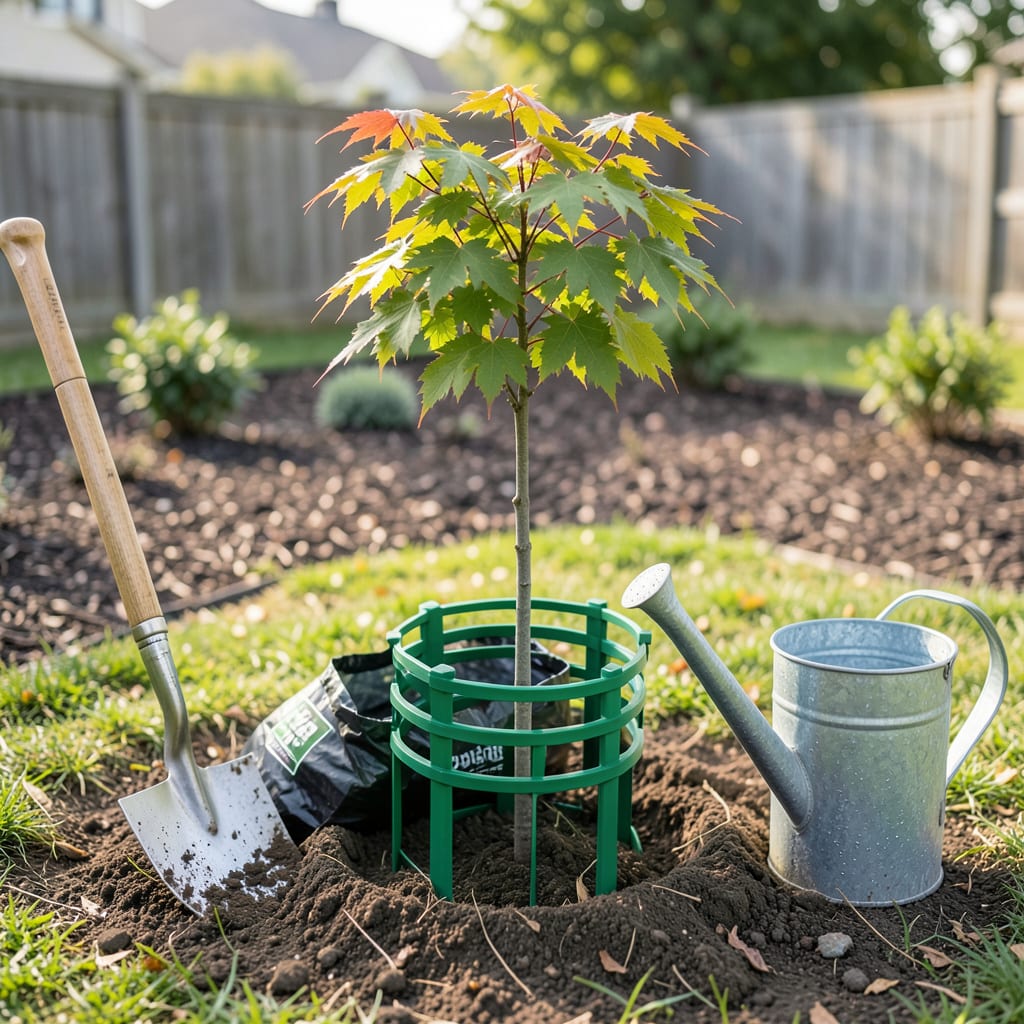
Timing is everything when establishing a 🌳 Tree that will thrive for decades in Zone 6. Plant too late in fall, and frost could shock fragile roots. Start too early in spring, and unpredictable freezes might undo your efforts.
I’ve seen both scenarios play out—struggling saplings versus flourishing giants—and the difference often comes down to just a few weeks. Let’s break down the exact windows for spring and fall planting, so your trees build strong roots from day one.
If you’re planting trees in USDA Zone 6, timing is everything. The difference between a tree that thrives and one that struggles often comes down to when you put it in the ground. I’ve found that early spring and early fall are the goldilocks periods for Zone 6. 🌳
Zone 6’s climate gives us about 180 frost-free days, with the last frost typically around April 15 and the first frost near October 15. These dates create two perfect planting windows: March-April for spring and September-October for fall. Let’s break down why these windows work so well.
| Factor | Spring Planting | Fall Planting |
|---|---|---|
| Best Months | March-April | September-October |
| Soil Conditions | Warming up, may be wet | Warm, well-drained |
| Temperature Range | 40-60°F | 50-70°F |
| Best For | Bare-root trees, early bloomers | Most species, root establishment |
| Watering Needs | Frequent, monitor closely | Moderate, taper before winter |
I always recommend fall planting when possible because it gives trees a head start on root development before winter dormancy. The cooler temperatures and more consistent rainfall in fall reduce transplant shock significantly. Trees planted in fall can establish roots in the 50-70°F soil before winter hits.
However, spring planting has its advantages too. It’s ideal for bare-root trees that need to be planted while dormant. The key in spring is getting trees in the ground before bud break but after the last frost. I’ve seen the best results when planting 4-6 weeks before the average last frost date.
For container-grown trees, you have more flexibility. These can be planted anytime during the growing season, but I still prefer the spring and fall windows for optimal establishment. Just remember that summer planting requires extra watering to combat heat stress.
One critical factor many gardeners overlook is soil temperature. For fall planting, aim for soil temps above 50°F. In spring, wait until the soil reaches at least 45°F at planting depth. You can use a simple soil thermometer to check this – it’s a game-changer for planting success.
Microclimates in Zone 6 can shift these windows slightly. If you’re in an urban area, the heat island effect might extend your fall planting window by a week or two. Conversely, higher elevations in Zone 6 might require planting a week earlier in both spring and fall due to cooler temperatures.
Remember that evergreens generally prefer early fall planting to establish roots before winter, while deciduous trees can often handle either spring or fall. Fruit trees do best with late winter to early spring planting to maximize their growing season. Always check species-specific recommendations for your particular tree.
No matter when you plant, the key is giving your tree enough time to establish before extreme weather hits. In Zone 6, that means avoiding late fall plantings after October 15th and late spring plantings after the heat of summer begins. Follow these windows, and you’ll give your trees the strongest possible start in our Zone 6 climate. 🌿
Not all trees follow the same planting schedule in Zone 6. While the general windows of March-April and September-October work for most species, each type has its own ideal timing. I’ve learned through experience that matching your tree type to the right season makes all the difference.
Deciduous trees like maples and oaks are quite flexible—they thrive when planted in either spring or fall. Evergreens, however, prefer early fall planting to establish roots before winter dormancy. Fruit trees do best with late winter to early spring planting to maximize their growing season. Let’s look at the specifics.
| Tree Type | Best Planting Time | Key Considerations |
|---|---|---|
| Deciduous (Maple, Oak) | Spring or Fall | Flexible timing, avoid summer heat |
| Evergreen (Pine, Spruce) | Early Fall (Sept-Oct) | Needs root establishment before winter |
| Fruit Trees (Apple, Pear) | Late Winter-Spring (Feb-Apr) | Maximize growing season for fruit production |
| Bare-root Trees | Early Spring (March) | Must plant while dormant, before bud break |
| Container-grown | Spring or Fall | More flexible, avoid summer stress |
For bare-root trees, timing is absolutely critical. These must be planted in early spring while still dormant, typically 4-6 weeks before your last frost date. I’ve found that March is ideal for most Zone 6 locations, giving roots time to establish before summer heat arrives.
Container-grown trees offer more flexibility since their root systems are already established. However, I still recommend sticking to the spring or fall windows for best results. If you must plant in summer, be prepared for daily watering and potential heat stress on your new tree.
Microclimates in Zone 6 can shift these timings slightly. In urban areas, the heat island effect might let you plant a week later in fall. At higher elevations, you might need to plant a week earlier in both spring and fall due to cooler temperatures and shorter growing seasons.
Remember that soil temperature is just as important as air temperature. For fall planting, wait until soil temps drop below 80°F but stay above 50°F. In spring, plant when soil reaches at least 45°F at planting depth. A simple soil thermometer takes the guesswork out of this critical factor.
No matter what type of tree you’re planting, the key is giving it enough time to establish before extreme weather hits. In Zone 6, that means avoiding plantings after October 15 in fall and before March 1 in spring for most species. Follow these guidelines, and you’ll set your trees up for decades of healthy growth. 🌳
Even with perfect timing, small errors during planting can sabotage your tree’s future. I’ve seen gardeners make these five critical mistakes in Zone 6 that lead to stunted growth or even tree loss. Let’s identify them so you can avoid the same pitfalls. 🌱
First and foremost is planting too deep. The root flare (where roots meet trunk) should always be visible above soil. Burying it invites rot and girdling roots. I use a simple trick: lay a broom handle across the hole to check depth before planting.
Ignoring soil drainage is another silent tree killer. Zone 6’s clay-heavy soils often drain poorly. Always perform a percolation test before planting: dig a 12″ hole, fill with water, and check if it drains within 12 hours. If not, amend with compost or plant on a slight mound.
Late fall planting causes more tree failures than any other mistake. In Zone 6, trees need at least 6 weeks before ground freeze to establish roots. Planting after October 15 risks winter heaving and root damage. I mark my calendar to finish all fall plantings by October 1 as a safety buffer.
Many gardeners skip mulching, not realizing it’s crucial for moisture retention and temperature regulation. Apply 2-3 inches of organic mulch in a 3-foot diameter around the base (keeping it 6 inches from the trunk). This simple step reduces water stress by 30% in my experience.
Watering mistakes complete the top five. New trees need 10 gallons per inch of trunk diameter weekly. Both overwatering (which suffocates roots) and underwatering (which causes drought stress) are common. I use a soil moisture meter to take the guesswork out of watering during that critical first year. ✂️
Fall planting is generally preferred in Zone 6 because the cooler temperatures and consistent rainfall reduce transplant shock. Trees can focus on root development without the stress of summer heat. However, spring works well for bare-root trees that need dormant planting.
While possible with container-grown trees, summer planting requires daily watering and shade protection. The extreme heat stresses new trees, making establishment harder. If you must plant in summer, choose early morning and provide temporary shade cloth.
In Zone 6, finish all fall plantings by October 1 to allow 6 weeks of root growth before ground freeze. Planting after October 15 risks winter damage from heaving and root desiccation. Use a soil thermometer to confirm temps stay above 50°F.
Evergreens thrive with early fall planting, while fruit trees prefer late winter to early spring. Deciduous trees are more flexible. Always check species-specific guidelines—what works for a maple might not suit a pine.
The most common error is planting too deep, which suffocates roots. The root flare (where trunk meets roots) should always remain visible above soil. Use a broom handle across the hole to check depth before backfilling. This simple step prevents years of problems.
