
Beautiful Plants For Your Interior
Beautiful Plants For Your Interior
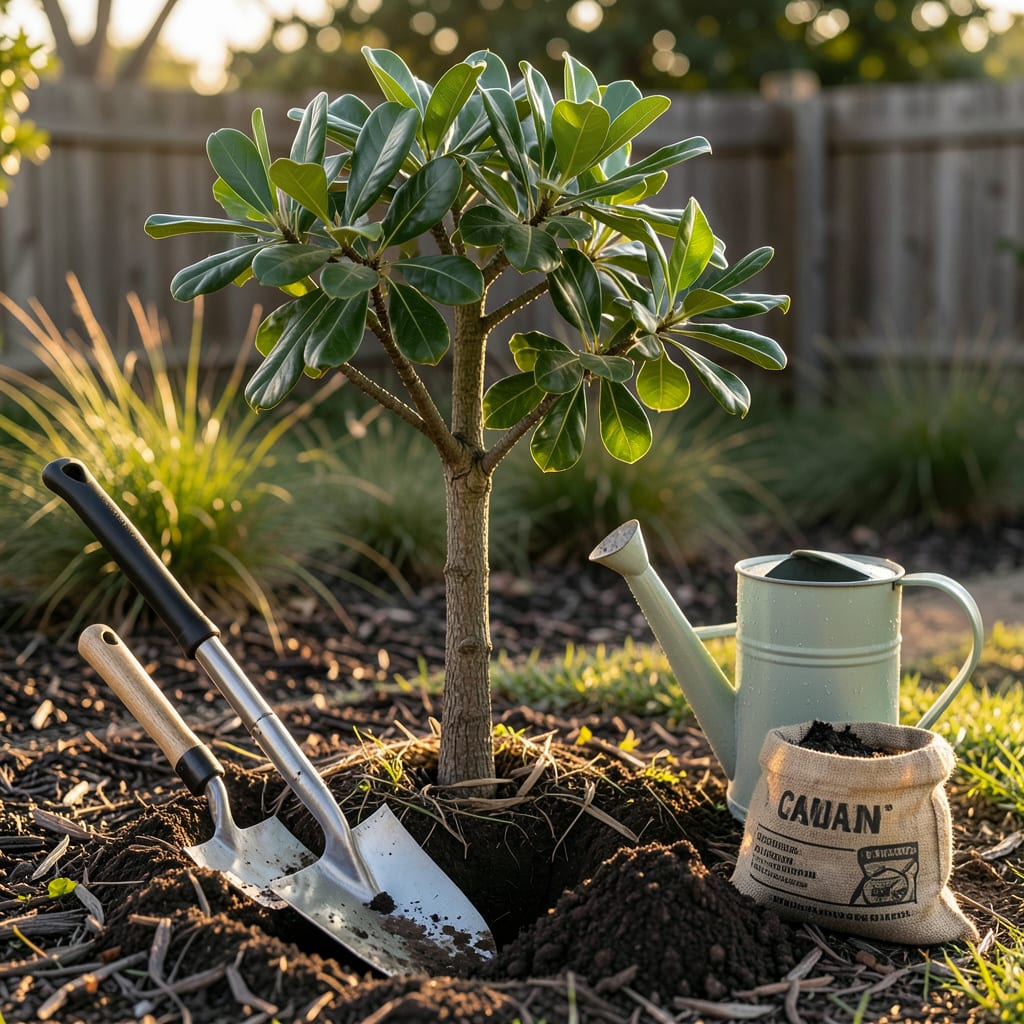
Timing is everything when it comes to planting trees in Texas—especially with our unpredictable weather. Plant too late, and your 🌱 saplings face brutal summer heat. Plant too early, and unexpected freezes can shock their roots.
After years of testing what works (and what doesn’t), I’ve found the perfect windows for each Texas region. Whether you’re in the Panhandle or the Gulf Coast, I’ll show you exactly when to dig in for stronger growth and less stress. Let’s get started.
If you’ve ever watched a newly planted tree wilt under the Texas summer sun, you know timing is everything. Our state’s diverse climate zones—from the Panhandle’s freezes to the Rio Grande’s heat—demand careful planning. The secret? Fall planting for most regions, with spring exceptions in cooler areas.
I’ve seen gardeners lose years of growth by planting at the wrong time. The key is matching your USDA Hardiness Zone (Texas spans 6a to 10a) with the right season. Let’s break down when to grab your shovel—before we dive into specifics, here’s your quick-reference guide.
| USDA Zone | Texas Regions | Best Planting Months | Secondary Window | Key Consideration |
|---|---|---|---|---|
| 6a-7a | Panhandle, North Texas | Oct-Nov | Mar-Apr | Avoid late fall freezes |
| 7b-8a | Central Texas, DFW | Nov-Dec | Feb-Mar | Watch for summer drought |
| 8b-9a | Gulf Coast, Houston | Dec-Jan | Jan-Feb | High humidity helps roots |
| 9b-10a | South Texas, RGV | Nov-Jan | Feb | Heat tolerance critical |
Notice how North Texas (Zones 6a-7a) has a spring backup window? That’s because their earlier freezes can threaten late fall plantings. Meanwhile, South Texas gardeners can plant nearly year-round—but summer is off-limits everywhere due to heat stress on young roots.
For Central Texas (Zones 7b-8a), I recommend marking your calendar for November 15 to December 15. This window gives roots 6-8 weeks to establish before winter dormancy. The soil stays warm while air temps cool—perfect for root growth without top growth stress.
The Gulf Coast (Zones 8b-9a) gets a later start because of hurricane season risks in early fall. Wait until December when storms subside but soil remains workable. Their sandy loam soils drain quickly, so mulching is critical after planting.
Here’s a pro tip: Check your soil temperature before planting. Ideal range is 50-65°F. Too cold, and roots won’t grow; too hot, and transplant shock sets in. I use a $10 soil thermometer—it’s saved me from multiple planting mistakes.
Remember that evergreens like Live Oaks and Magnolias prefer fall planting to establish roots before summer. But deciduous trees (think Redbuds or Mexican Plums) can often handle early spring if you’re in cooler zones.
One warning: Avoid planting during droughts. Even in the right season, water restrictions can doom young trees. I always check the Texas Drought Monitor before scheduling my planting day. If your area is in “severe drought”, wait for rain.
Finally, don’t forget post-planting care. Your new tree will need 1-2 inches of water weekly for the first year—even in winter. I set phone reminders for my deep watering days to keep those roots happy.
Now that you’ve got the timing down, let’s talk about which trees thrive in your specific zone—and which ones to avoid like the plague.
Choosing the right tree for your Texas zone is just as important as planting at the right time. I’ve tested dozens of species across our state’s diverse climates, and some consistently outperform others. The winners? Native trees and drought-tolerant varieties that laugh at our 100°F summers.
Let me share my top picks matched to your planting season and zone. Whether you need fast shade, colorful blooms, or low-water options, I’ve got you covered. Here’s your quick comparison guide to Texas’ toughest trees.
| Tree Type | Best Zones | Ideal Planting Season | Mature Height | Key Benefits |
|---|---|---|---|---|
| Live Oak | 7a-10a | Fall | 40-80 ft | Evergreen, drought-resistant, wildlife shelter |
| Texas Redbud | 6a-9a | Fall/Spring | 15-20 ft | Early pink blooms, small size, urban-friendly |
| Mexican Sycamore | 8a-10a | Fall | 40-50 ft | Fast-growing, heat-tolerant, striking bark |
| Pecan | 6a-9a | Winter | 70-100 ft | Edible nuts, long lifespan, flood-tolerant |
| Desert Willow | 7a-10a | Spring/Fall | 15-25 ft | Drought-proof, fragrant flowers, small space |
Notice how Live Oaks dominate most zones? That’s because they’re Texas tough—surviving droughts, hurricanes, and even our clay soils. I’ve seen 100-year-old Live Oaks still thriving after Ice Storm Uri! For smaller spaces, Texas Redbuds give you spring color without overwhelming your yard.
If you’re in South Texas (Zones 9b-10a), the Mexican Sycamore is your best friend. It grows 5+ feet per year and handles 110°F heat like a champ. Just be ready for aggressive roots—keep it 20 feet from foundations. I learned that lesson the hard way when one cracked my neighbor’s driveway!
For North Texas gardeners (Zones 6a-7a), Pecan trees are a classic choice—but they need deep, well-drained soil. Test your soil first! I use a $20 soil test kit from my local extension office. If your soil is too alkaline, amending with sulfur before planting can save you years of frustration.
The Desert Willow might be my favorite low-water tree. It’s not a true willow, but its trumpet-shaped flowers attract hummingbirds all summer. Perfect for xeriscapes or if you’re tired of watering thirsty plants. I’ve got three in my backyard—they’ve needed zero supplemental water after their first year.
Remember: Native trees always perform better than exotics. They’re adapted to our alkaline soils, intense sun, and erratic rainfall. The Texas A&M Forest Service has a great native plant database if you want to explore more options. I check it every time I’m planning a new tree addition.
One final tip: Buy from Texas nurseries when possible. Their trees are already climate-adapted, unlike big-box stores that ship from out of state. I once bought a Red Maple from a national chain—it fried its first summer. Lesson learned: local sources matter in Texas!
Now that you know which trees thrive where, let’s talk about the critical mistakes I see Texas gardeners make—and how to avoid them. Trust me, some of these might surprise you!
Even with perfect timing, some common mistakes can sabotage your Texas tree planting. I’ve seen healthy saplings die within months because of these avoidable errors. The worst part? Most gardeners don’t realize they’re making them until it’s too late.
Let me walk you through the five most damaging mistakes I see in Texas landscapes—and exactly how to avoid them. Trust me, fixing these will save you years of frustration and potentially hundreds of dollars in replacements.
The #1 tree killer in Texas. Roots need oxygen! Bury the root flare (where roots meet trunk) 1-2 inches above soil. I use a straightedge across the hole to check depth.
Our clay soils drown roots. Always do the percolation test: Dig a 12″ hole, fill with water. If it drains <1″/hour, amend with compost or expanded shale.
3-4 inches of mulch (but never touching the trunk) retains moisture and regulates soil temp. I use native Texas mulch—cedar or oak works best for our climate.
New trees need deep watering 2-3x/week for first year. The finger test works: Stick your finger 2″ deep. Dry? Water. Muddy? Wait. Simple but saves trees!
Planting a 70-foot Pecan under power lines? Recipe for disaster. Always check mature size and root spread. Use the Texas Tree Planting Guide for spacing rules.
That root flare mistake (Error #1) is shockingly common. I once watched a landscaper plant 15 trees too deep for a local park—12 died within two years. Now I always inspect planting depth when hiring help. Here’s how to spot it: Look for the trunk flare—it should be visible above soil.
For clay soil challenges (Error #2), I’ve had great success with expanded shale. Mix 3 inches into the backfill soil. It creates permanent air pockets that prevent compaction. One warning: Avoid peat moss—it repels water when dry, making droughts worse.
The mulch mistake (Error #3) creates two problems: Too little means moisture loss; too much (or piled against trunk) causes rot. I use the “donut method”—mulch in a 3-foot diameter ring, keeping trunk clear. Cedar chips work best—they repel pests naturally.
Watering errors (Error #4) are especially deadly in Texas heat. New trees need 10 gallons per inch of trunk diameter weekly. I use a soaker hose on a timer for slow, deep watering. Pro tip: Water at dawn to reduce evaporation—never at night (fungus risk!).
That “wrong place” mistake (Error #5) haunts many Texas neighborhoods. I see large shade trees planted 5 feet from driveways—their roots always crack the concrete. Use this rule: Plant trees half their mature width from structures. For a 40-foot-wide Live Oak, that’s 20 feet minimum.
Here’s my Texas-specific bonus tip: Watch for oak wilt when planting Live Oaks or Red Oaks. Never prune them February-June—that’s when beetles spread the fungus. I mark my calendar every year to avoid this costly mistake.
Fall planting gives roots time to establish before winter dormancy while avoiding summer heat stress. The cooler air temperatures reduce water loss, and warm soil encourages root growth. This combination helps trees develop strong root systems before facing Texas summers.
Even with extra watering, summer planting is risky due to extreme heat and potential drought conditions. Young trees struggle with transplant shock in temperatures above 90°F. If you must plant in summer, choose heat-tolerant species and provide temporary shade.
Test your soil by digging a 12-inch hole and filling it with water. If it drains slower than 1 inch per hour, you likely have clay soil. For best results, amend with compost or expanded shale to improve drainage before planting.
Planting too deep is the most common error. The root flare (where roots meet trunk) should sit 1-2 inches above soil level. Burying it suffocates roots and leads to long-term health problems. Always check depth with a straightedge across the planting hole.
Yes! Evergreens like Live Oaks prefer fall planting, while some deciduous trees can handle early spring in cooler zones. Fruit trees often need winter planting for proper chilling hours. Always research your specific tree type’s needs for your Texas region.
