
Beautiful Plants For Your Interior
Beautiful Plants For Your Interior
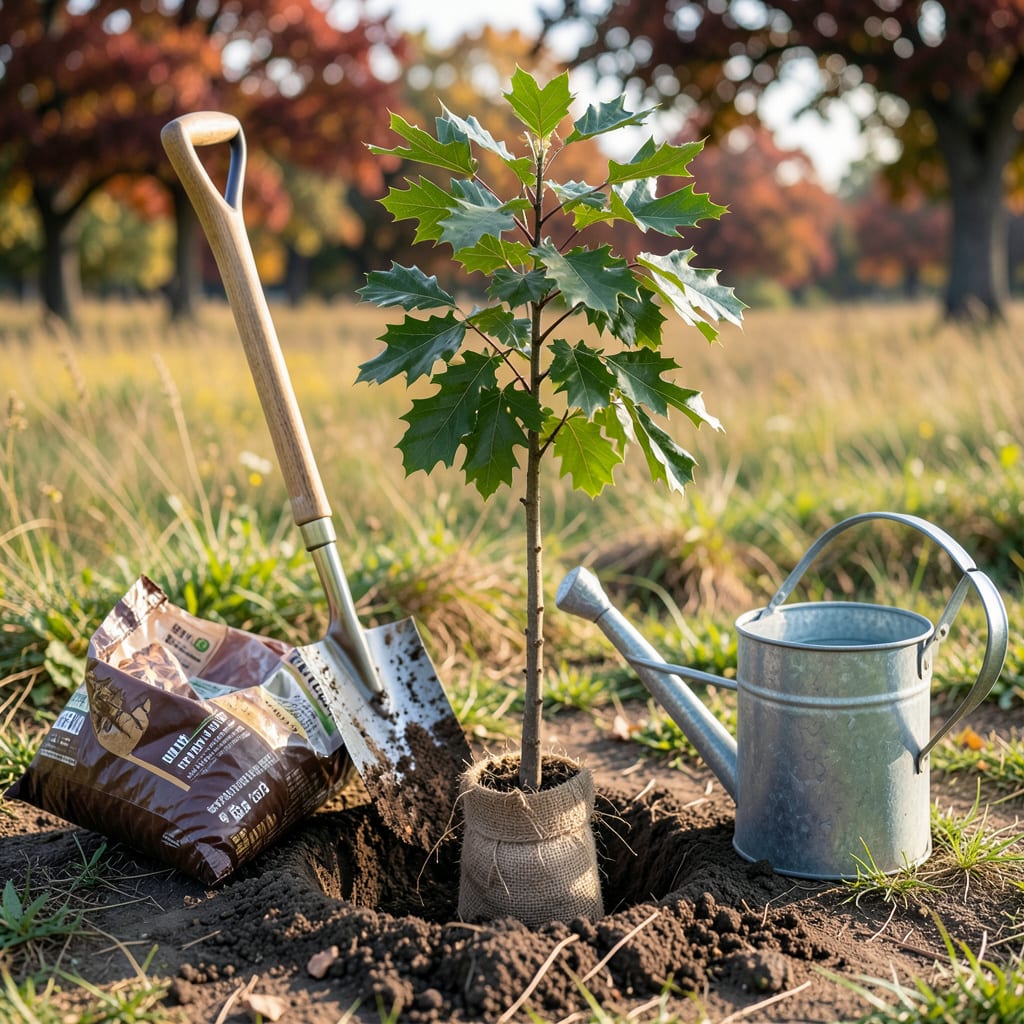
Timing is everything when it comes to planting 🌱 trees in Missouri. Our state’s unpredictable swings from freezing winters to sweltering summers mean the difference between a sapling that thrives and one that struggles to survive.
Whether you’re in Zone 5 or 7, I’ll break down the best months to get those roots established—before summer heat or winter frost can derail your efforts. Let’s dig into what works for your specific region.
If you’ve ever wondered why some trees thrive in Missouri while others struggle, timing is often the culprit. Our state spans USDA zones 5-7, meaning planting windows vary by region. The key is working with soil temperature and frost dates—not just the calendar. 🌱
In northern Missouri (Zone 5), you’ll want to plant earlier in spring than southern areas. Central Missouri (Zone 6) gets a slightly longer window, while southern Missouri (Zone 7) can push planting later into fall. Let’s break down the specifics.
| Zone | Spring Window | Fall Window | Key Consideration |
|---|---|---|---|
| Zone 5 | April 1-30 | Sept 15-Oct 15 | Avoid late fall planting—early frosts risk root damage |
| Zone 6 | March 15-April 30 | Sept 1-Oct 30 | Clay soil warms slower—test with a soil thermometer |
| Zone 7 | March 1-April 15 | Sept 15-Nov 1 | Longer fall window but watch for summer drought stress on new plantings |
*Soil temp should be 50°F+ for spring planting, 60°F+ for fall in all zones.
For deciduous trees like maples or oaks, I recommend early spring planting in northern Missouri. This gives roots time to establish before summer heat hits. In southern Missouri, you can push deciduous planting into late fall—just finish 4-6 weeks before first frost. 🌿
Evergreens prefer early fall planting statewide. The cooler temps reduce transpiration stress, and roots grow until soil temps drop below 40°F. Avoid planting evergreens in late spring—new growth demands more water than young roots can supply.
Fruit trees need special timing consideration. Plant bare-root specimens in late winter (Feb-March) while dormant. Container-grown fruit trees can go in during either spring or fall windows, but avoid planting during bloom periods to reduce shock. ✂️
Missouri’s clay-heavy soils present unique challenges. I always recommend amending planting holes with compost and testing drainage before planting. If water pools after 24 hours, consider raised mounds or French drains for your trees.
Remember that urban areas (like St. Louis or Kansas City) often run 5-10°F warmer than rural zones due to the heat island effect. This can extend your fall planting window by 2-3 weeks, but watch for drought stress in summer-planted trees. 💧
After planting, prioritize deep watering (1-2 inches per week) and mulching (2-3 inches of wood chips). Avoid fertilizing at planting—wait until trees show new growth to apply a balanced 10-10-10 fertilizer. This approach reduces transplant shock significantly. 🌱
For the most accurate timing, I suggest using Missouri’s county-specific frost date maps and a soil thermometer. When soil reaches 50°F at 6-inch depth, you’re in the safe zone for most tree species. This simple tool takes the guesswork out of planting! ☀️
Missouri’s diverse climate calls for trees that can handle everything from freezing winters to humid summers. Not all trees thrive here, but I’ve found these native and adapted species consistently perform well when planted at the right time. Let’s match trees to your zone and season. 🌳
The White Oak and Redbud top my list for statewide success. White oaks establish best when planted in early spring (March-April), while redbuds tolerate both spring and fall planting. For wet areas, Bald Cypress thrives with fall planting—its roots grow aggressively in warm soil. 🌿
| Tree Type | Best Planting Time | Zone Suitability | Key Benefit |
|---|---|---|---|
| White Oak | March-April | 5-7 | Drought-resistant, long-lived |
| Redbud | March or Sept-Oct | 5-7 | Early spring blooms, clay-tolerant |
| Bald Cypress | September-November | 5-7 | Flood-tolerant, striking fall color |
| Sugar Maple | April or October | 5-6 | Brilliant fall foliage, shade provider |
| Eastern Red Cedar | October-November | 5-7 | Drought-proof, wildlife shelter |
*All species benefit from mulching and deep watering after planting.
For urban landscapes, I recommend Ginkgo or Hornbeam trees. Ginkgos tolerate pollution and compacted soil when planted in early spring. Hornbeams adapt well to fall planting and offer great shade for patios. Both handle Missouri’s temperature swings remarkably well. 🪴
Fruit trees like apple and pear need special timing. Plant bare-root specimens in late February while dormant. Container-grown fruit trees can go in during either window, but avoid planting during bloom periods. Missouri’s clay soil benefits from adding sand and compost to planting holes. ✂️
If you’re dealing with poor drainage, consider River Birch or Swamp White Oak. Both thrive in moist conditions when planted in early spring. For dry, rocky soils, Blackjack Oak or Post Oak establish best with fall planting to capitalize on winter moisture. 💧
Remember that native species generally require less maintenance. The Missouri Department of Conservation recommends Bur Oak for its drought resistance and Serviceberry for multi-season interest. Both plant well in either spring or fall, though spring gives them a full growing season to establish. ☀️
Even experienced gardeners make mistakes when planting trees in Missouri. Our clay-heavy soils and unpredictable weather create unique challenges. I’ve seen too many trees struggle because of avoidable errors. Let’s identify the most common pitfalls so you can give your trees the best start possible. 🌱
One of the biggest mistakes is planting too late in fall. While fall is ideal for many trees, waiting until November in Zone 5 can be disastrous. Roots need 4-6 weeks to establish before ground freezes. I always recommend finishing fall planting by October 15 in northern Missouri. 🌿
Another critical error is ignoring soil preparation. Missouri’s clay soil compacts easily, suffocating roots. I always recommend amending the planting hole with compost and expanded shale to improve drainage. For heavy clay, consider planting on a slight mound to prevent water pooling. ✂️
Improper watering ranks high on the mistake list. Many new tree owners either overwater or underwater. The rule I follow is 1-2 inches per week, including rainfall. Use a moisture meter to check soil at 6-inch depth—it should feel like a wrung-out sponge. 💧
Choosing the wrong tree for your location causes long-term problems. A Sugar Maple planted in poor drainage will struggle, while a Bald Cypress thrives in wet areas. Always match trees to your site conditions. The Missouri Department of Conservation offers excellent native tree guides for every region. 🌳
Finally, neglecting post-planting care undermines even perfect planting. I recommend staking only if necessary, using wide tree straps to avoid bark damage. Prune only to remove damaged branches—never top a new tree. Monitor for pests like bagworms or Japanese beetles during the first growing season. ☀️
Both seasons work, but fall planting (Sept-Oct) is often ideal. Cooler temps reduce stress while warm soil encourages root growth. Spring planting suits deciduous trees in northern Missouri where winters arrive early. Always finish 4-6 weeks before first frost.
Test soil temperature at 6-inch depth—it should be 50°F+ for spring or 60°F+ for fall. Missouri’s clay soil should crumble when squeezed, not form a sticky ball. Use a soil thermometer for accuracy.
Avoid summer planting—extreme heat stresses young trees. Late winter (Feb-March) is best for bare-root fruit trees while dormant. Container-grown trees can go in during spring/fall windows, but never during bloom periods.
Planting too deep suffocates roots. The root flare (where roots meet trunk) should be visible above soil. Also, skipping mulch leads to moisture loss—apply 2-3 inches of wood chips after planting.
Provide 1-2 inches per week, including rainfall. Check moisture at 6-inch depth—it should feel like a wrung-out sponge. Overwatering is as harmful as drought, so use a moisture meter for precision.
