
Beautiful Plants For Your Interior
Beautiful Plants For Your Interior
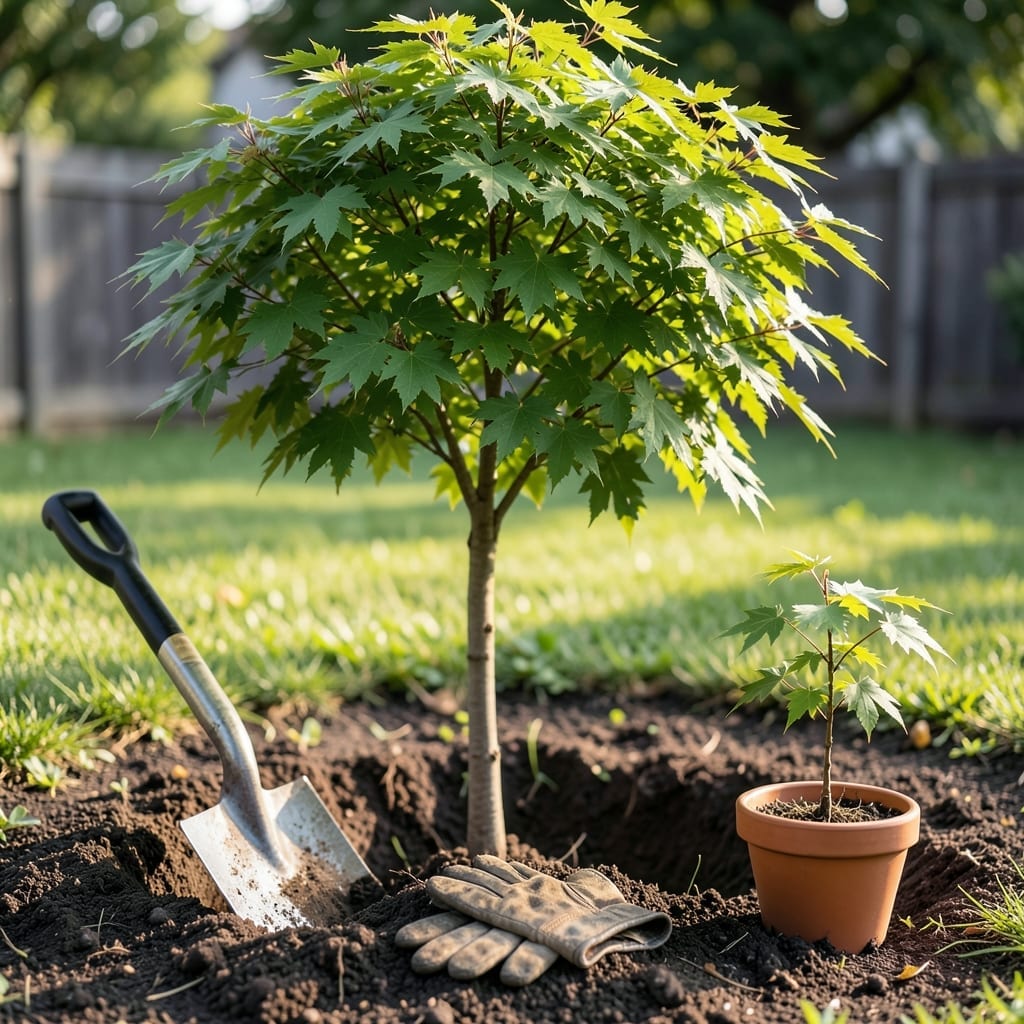
Planting trees at the right time in Michigan can mean the difference between thriving foliage and a struggling sapling. With the state spanning multiple hardiness zones, timing is everything for strong root establishment.
I’ve seen too many 🌳 Tree plantings fail simply because they happened at the wrong time of year. Whether you’re in zone 5b-6a or another part of the state, getting the timing right is crucial.
Spring and fall both offer advantages, but each comes with its own considerations. The key is understanding how Michigan’s climate affects your Tree‘s ability to establish itself.
Let me walk you through the optimal windows and what makes them work. You’ll discover how to give your trees the best possible start in Michigan’s unique conditions.
Michigan’s USDA hardiness zones range from 4 to 6, which means planting windows vary significantly across the state. In zone 4 (Upper Peninsula), the growing season is shorter, so timing is critical. Zone 6 areas like Detroit have more flexibility, but still require careful planning.
For most of Michigan, early spring (April to early May) and early fall (September to early October) are ideal. These windows allow root systems to establish before extreme heat or cold sets in. 🌱
| Hardiness Zone | Optimal Planting Window | Key Consideration |
|---|---|---|
| Zone 4 | Late April – Early May, Late August – Early September | Avoid late fall planting |
| Zone 5 | April – May, September – October | Best for most tree types |
| Zone 6 | March – April, September – November | Longer fall window possible |
In zone 4, the ground freezes earlier, so fall planting must happen by early September. Spring planting here should wait until soil is workable, usually after the last frost in mid-May. This ensures young trees aren’t damaged by late cold snaps.
Zone 5 covers much of Michigan, including Grand Rapids and Lansing. Here, April through May is prime for spring planting. For fall, aim for September through October. This gives roots 6-8 weeks to grow before winter dormancy.
In zone 6, which includes parts of southern Michigan, you can start planting trees as early as March. The fall window extends to early November, but avoid planting too late. Trees need time to establish roots before the first hard frost.
I always recommend checking your local frost dates for precision. In zone 5, the last frost is typically around May 15, while the first frost arrives near October 15. These dates help fine-tune your planting schedule. 🌳
Soil temperature is another key factor. For spring planting, wait until soil reaches at least 50°F. In fall, ensure soil stays above 40°F for root growth. Use a soil thermometer for accuracy.
For bare-root trees, spring planting is often best. They need time to recover from transplant shock. Container-grown trees can go in the ground in either spring or fall, as their roots are already established. This flexibility makes them a great choice for Michigan gardeners.
Remember, watering is crucial after planting, regardless of the season. New trees need 1-1.5 inches of water weekly. Mulch around the base to retain moisture and protect roots from temperature swings. ✂️
Michigan’s climate offers two prime windows for planting trees: spring and fall. Each season has distinct advantages that can impact your tree’s survival and growth rate significantly.
I’ve found that spring planting works best for cold-sensitive species, as it gives roots time to establish before winter. However, fall planting can be ideal for hardier varieties.
In my experience, deciduous trees often thrive with fall planting, as they can focus energy on root development without foliage demands. The cool temperatures and consistent moisture create ideal conditions.
For evergreen trees, I recommend early spring planting. This gives them the entire growing season to establish their root systems before winter dormancy.
September to early October is typically the sweet spot for fall planting in most of Michigan. This timing allows 4-6 weeks of root growth before the ground freezes.
Remember, the key to success is planting when the tree can establish roots without environmental stress. Always check your local frost dates and soil conditions.
I’ve seen the best results when trees are planted during mild weather with consistent moisture in either season 🌳