
Beautiful Plants For Your Interior
Beautiful Plants For Your Interior
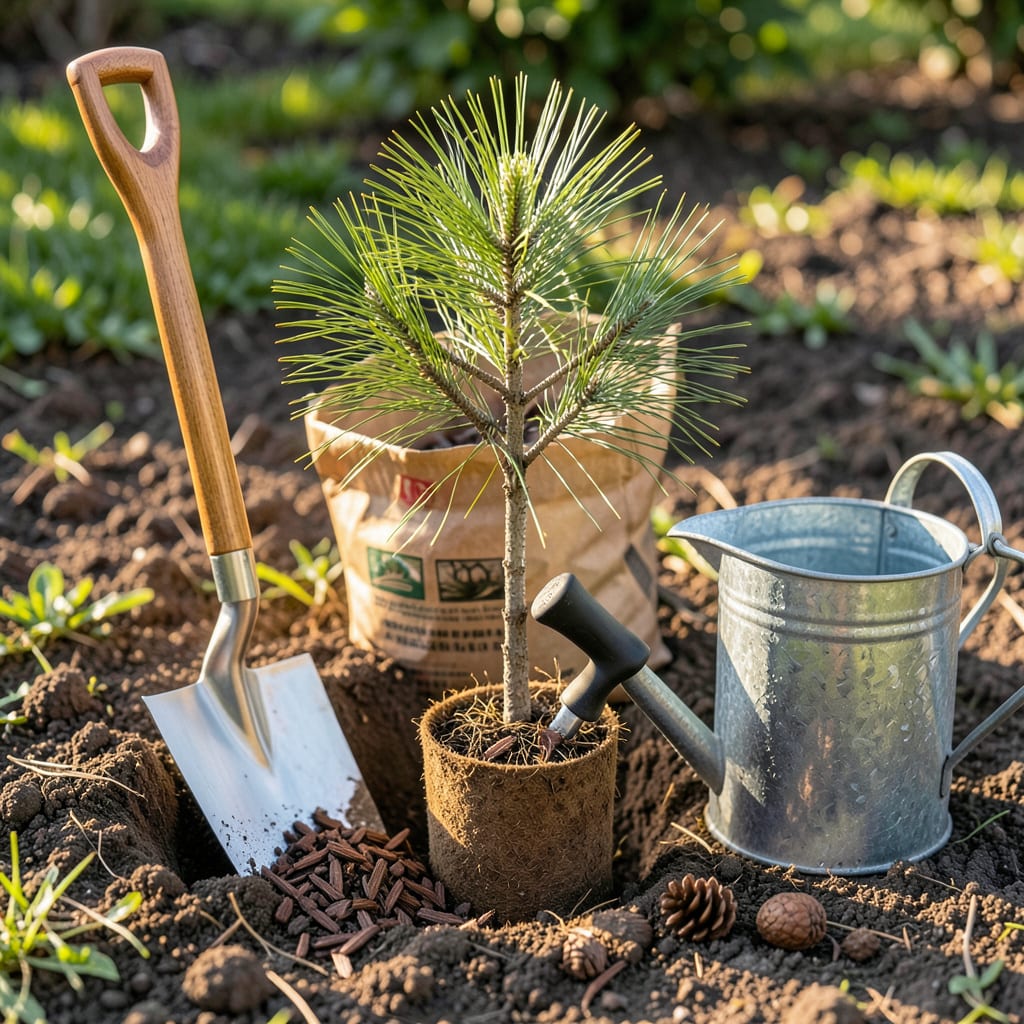
Timing is everything when it comes to planting trees in Colorado. Get it wrong, and you risk losing your sapling to unpredictable frosts or summer droughts. The Centennial State’s wild weather swings demand a smart strategy—one that matches your planting schedule to your elevation and microclimate.
I’ve seen too many gardeners struggle with trees that refuse to thrive, all because they planted at the wrong time. Let me break down the best windows for success, whether you’re in Denver’s Front Range or the high mountain valleys. You’ll learn exactly when to dig in for stronger roots and healthier growth.
Colorado’s dramatic elevation shifts—from 3,300 ft on the plains to 14,000 ft peaks—mean planting windows vary wildly. What works in Denver’s Front Range won’t fly in Telluride’s alpine zone. Timing is everything for root establishment before winter’s first freeze.
As a rule, fall planting (September–October) gives trees a head start. Cooler temps and autumn rains reduce transplant shock, while warm soil encourages root growth. But spring (April–May) can work for evergreens or late-bloomers—if you dodge Colorado’s infamous late frosts and chinook winds.
| Region | USDA Zone | Best Planting Months | Last Frost Date | Key Consideration |
|---|---|---|---|---|
| Front Range (Denver, Boulder) | 5a–6a | Sept–Oct or April–May | May 10 | Avoid late May frosts; amend clay soil |
| High Plains (Fort Collins, Greeley) | 4b–5a | Oct or April | May 15 | Windbreaks critical; drought-tolerant species only |
| Mountains (Aspen, Vail) | 3a–4a | June–July (short window!) | June 20 | Use native conifers; mulch heavily for winter |
| Western Slope (Grand Junction) | 6b–7a | Oct–Nov or March | April 15 | Heat-tolerant species; watch for alkaline soil |
In the Front Range, I’ve found early October is the sweet spot—soil stays warm enough for roots to establish, but air temps are cool. For spring planting, wait until soil temps hit 50°F (use a soil thermometer!). Avoid June—new trees struggle with sudden 90°F+ heat.
Mountain gardeners face the toughest challenge: a 60-day growing season in some areas. Stick to container-grown trees (not bare-root) and plant before July 4th. At high elevations, Quaking Aspen or Bristlecone Pine thrive where others fail.
On the Western Slope, fall planting shines thanks to mild winters. But if you’re planting in spring, choose drought-resistant varieties like Desert Willow or Honey Mesquite. Always water deeply (1–2 inches weekly) for the first year—Colorado’s dry air wicks moisture fast.
For urban areas (Denver, Colorado Springs), watch for soil compaction and poor drainage. Amend planting holes with compost and expanded shale to break up clay. A 3-inch mulch ring (keep it 6 inches from the trunk!) retains moisture and regulates soil temp.
Pro tip: Check your microclimate. South-facing slopes warm faster in spring but dry out quicker. North-facing spots stay cooler—ideal for maples or birches. Use the USDA Plant Hardiness Zone Map to pinpoint your exact zone.
If you’re planting fruit trees (apples, cherries), aim for early spring in zones 5–6. They need time to establish before fruiting. For ornamental trees like Crabapple or Linden, fall planting reduces stress and boosts spring blooms.
Remember: Container-grown trees can be planted anytime during the growing season if watered diligently. Bare-root trees? Stick to dormant seasons (fall or early spring). And always call 811 before digging to avoid utility lines! 🌱
Even with perfect timing, Colorado’s wild weather swings can derail your tree-planting efforts. I’ve seen gardeners lose saplings to frost heave, drought stress, and poor soil prep—all avoidable with the right know-how. Let’s break down the seasonal pitfalls and how to sidestep them.
Each season brings unique challenges. Winter’s frost heave can push roots out of the ground, while summer’s scorching heat dries out young trees before they establish. Even spring planting isn’t foolproof—late frosts and chinook winds can wreak havoc if you’re not prepared.
In winter, newly planted trees are vulnerable to frost heave, where freezing and thawing cycles push roots upward. I’ve lost count of how many gardeners I’ve seen replant trees in spring because they skipped winter mulching. Use shredded bark or straw—not rocks—to protect roots.
Spring planting seems safe, but Colorado’s late frosts (as late as June in the mountains!) can damage tender new growth. If you plant in spring, choose cold-hardy species like Rocky Mountain Maple or Ponderosa Pine. Avoid bare-root trees—they’re slower to establish.
Summer’s intense heat and low humidity are brutal on young trees. If you must plant in summer, opt for container-grown trees and water daily for the first month. Use shade cloth for the first week to reduce transplant shock. I recommend early morning watering to minimize evaporation.
Fall is ideal, but only if you plant early enough. Trees need 6–8 weeks before the ground freezes to grow roots. In Denver, that means by mid-October; in the mountains, aim for late August. Skip the fertilizer in fall—it encourages top growth when roots should be the focus.
One mistake I see year after year? Over-mulching. Piling mulch against the trunk (a “mulch volcano”) traps moisture and invites disease. Keep mulch 3 inches deep and 6 inches away from the trunk. And always remove grass in a 3-foot diameter around your tree to reduce competition.
Finally, don’t forget to stake properly—but not too tightly! Trees need to sway slightly to develop trunk strength. Use two stakes and flexible ties, removing them after one year. With these fixes, your trees will thrive despite Colorado’s mood swings! 🌳
Colorado’s native trees aren’t just beautiful—they’re built to survive our wild climate swings. From drought-resistant conifers to vibrant deciduous species, these locals thrive where others struggle. But even hardy natives need the right planting window to establish strong roots.
I’ve handpicked five Colorado-tough trees that excel in different regions, from the Front Range to the high alpine. Each has unique timing needs—some prefer fall planting for root growth, while others do best with an early summer start in cooler zones. Let’s dig in!
| Tree | Best Planting Time | USDA Zones | Drought Tolerance | Elevation Range |
|---|---|---|---|---|
| Colorado Blue Spruce | Sept–Oct or April | 2–7 | ⭐⭐⭐⭐ | 6,000–9,000 ft |
| Quaking Aspen | May–June | 1–7 | ⭐⭐ | 5,000–12,000 ft |
| Gambel Oak | Oct or March | 4–8 | ⭐⭐⭐⭐ | 4,500–7,500 ft |
| Rocky Mountain Maple | April–May | 4–7 | ⭐⭐⭐ | 5,000–9,000 ft |
| Ponderosa Pine | Sept–Oct | 3–7 | ⭐⭐⭐⭐⭐ | 2,000–8,500 ft |
The Colorado Blue Spruce is a classic for good reason—its silver-blue needles and drought resistance make it a Front Range favorite. Plant in early fall for best results, but avoid late summer (heat stress) or winter (frost heave risk). It thrives in amended clay soil with good drainage.
Quaking Aspen demands a spring planting in higher elevations—its roots need time to establish before winter. I love its golden fall foliage, but beware: it spreads via suckers! Plant in moist, well-drained soil and give it room to form a grove. Avoid dry, windy sites.
For low-water landscapes, Gambel Oak is a superstar. This drought-tolerant native handles alkaline soil and urban pollution like a champ. Plant in fall for strongest root growth, or early spring if you’re in a warmer zone. Its yellow fall color and wildlife support make it a must-have.
The Rocky Mountain Maple is perfect for shadier spots and smaller yards. Its spring planting window ensures it avoids frost damage, and its red fall foliage is stunning. Just keep its roots consistently moist the first year—it’s less drought-tolerant than other natives.
Lastly, the Ponderosa Pine is the ultimate low-maintenance giant. Plant in fall for best success, and give it full sun and plenty of space—it can reach 100+ feet! Its vanilla-scented bark and wildlife benefits make it a Colorado icon. 🌲
Fall (September–October) is generally ideal because cooler temps and autumn rains reduce transplant shock. However, spring (April–May) works for evergreens or late-bloomers if you avoid late frosts.
It’s risky due to heat stress and drought, but possible with container-grown trees. Water daily for the first month and use shade cloth for the first week to reduce shock.
Apply 4–6 inches of mulch (wood chips or straw) to prevent frost heave. Avoid piling mulch against the trunk. In windy areas, use burlap wraps to shield young bark.
Quaking Aspen or Bristlecone Pine thrive above 8,000 ft. Plant in June–July and choose container-grown over bare-root for faster establishment.
Water deeply 2x/week (1–2 inches per session) for the first year. In summer, increase to daily watering for the first month. Always water in the early morning to minimize evaporation.
