
Beautiful Plants For Your Interior
Beautiful Plants For Your Interior
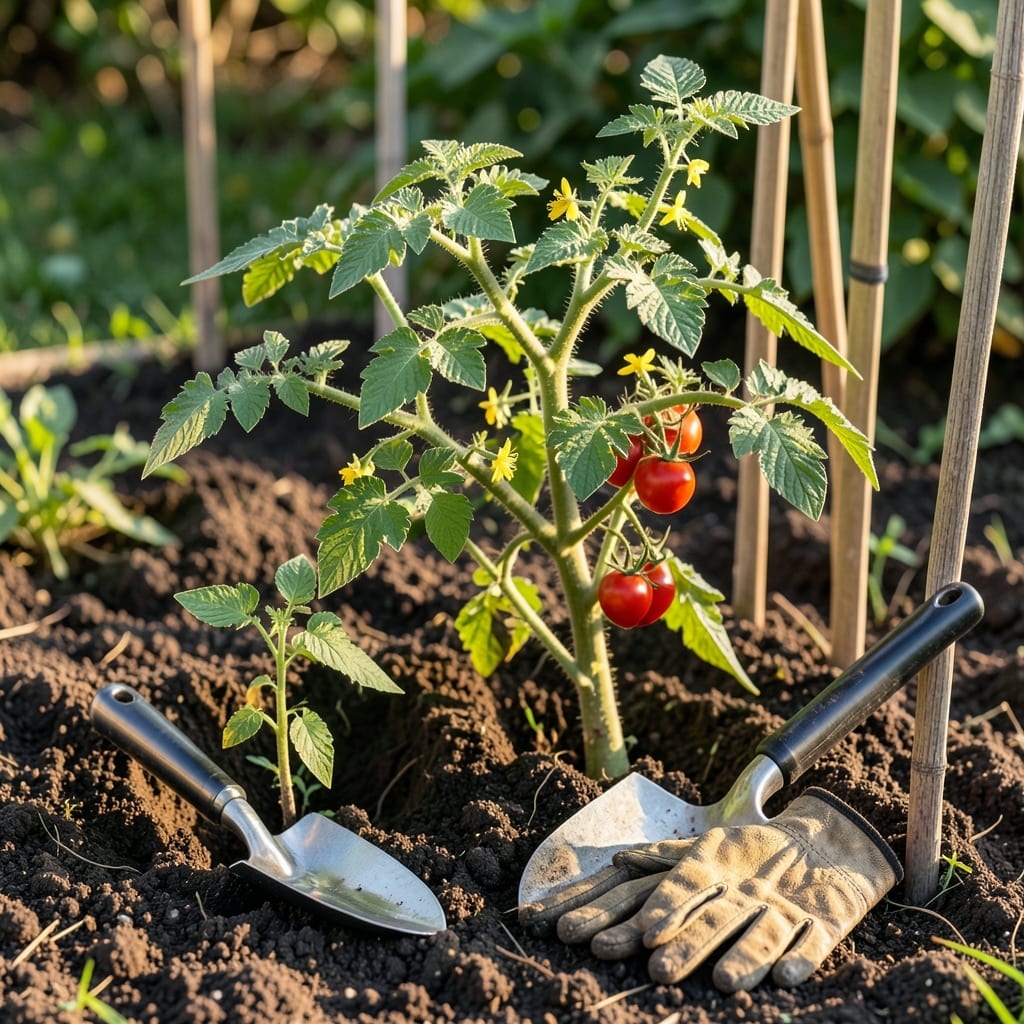
Timing is everything when planting Tomato in Minnesota’s unpredictable climate—plant too early, and frost will kill your seedlings. Wait too long, you’ll miss the growing season.
This guide reveals the exact frost-free window for thriving 🍅 in the North Star State. Whether you’re in Zone 4a or just starting out, knowing when to act is the key.
I’ll walk you through the best practices to ensure your plants flourish. From soil temperature to local weather patterns, we cover what truly matters.
Discover how to avoid common pitfalls and set your garden up for success. Let’s get your Tomato plants off to the right start.
Knowing the last frost date is crucial for planting tomatoes safely in Minnesota. The state’s variable climate means planting too early can spell disaster for tender seedlings. I always wait until all risk of frost has passed.
Minnesota spans USDA zones 3-5, so frost dates vary significantly. Southern regions like Minneapolis typically see their last frost around May 10-15, while northern areas near Duluth may not be safe until May 25-June 1. These dates are your starting point.
| Region | Last Frost Date | Safe Planting Window |
|---|---|---|
| Southern MN | May 10-15 | Mid-May to early June |
| Central MN | May 15-20 | Late May to early June |
| Northern MN | May 25-June 1 | Early June |
I recommend adding a 2-week buffer after your region’s last frost date. This ensures soil temperatures have warmed to at least 60°F, which is critical for tomato root development. Cold soil can stunt growth or even kill young plants.
Microclimates can shift these dates slightly. Urban areas like St. Paul often warm faster than rural zones. I check local weather stations for the most accurate data, as general regional dates can miss these nuances.
For determinate tomatoes, which mature faster, you can plant closer to the last frost date. But for indeterminate varieties, I wait the full 2 weeks to ensure a long, productive growing season. These vining plants need every advantage in our short season.
Container gardeners have more flexibility. You can start tomatoes indoors 6-8 weeks before transplanting. This head start helps compensate for Minnesota’s short growing season, especially for heat-loving varieties like Brandywine.
I’ve found that raised beds warm up faster than in-ground soil. If you’re eager to plant, these can shave a few days off your waiting period. Just be sure to monitor soil temperature with a simple soil thermometer.
Remember, overnight lows matter as much as daytime highs. A surprise late frost can wipe out your plants overnight. I always keep frost cloth handy just in case, especially in early May when temperatures can dip unexpectedly.
By following these regional guidelines and watching local conditions, you’ll give your tomato plants the best start possible in Minnesota’s challenging but rewarding climate. ☀️
I always check for three key signals before planting tomatoes in Minnesota. The most critical is soil temperature—it must stay above 60°F for at least a week to avoid stunting growth.
Next, I look for consistent moisture without waterlogging. If the soil crumbles slightly when squeezed but holds shape, it’s perfect for tomato transplants. ☀️
I use a simple DIY test with a meat thermometer to check soil temperature. Insert it 4 inches deep in the morning and evening for accuracy.
Another trick is observing weed growth. When weeds start sprouting vigorously, your soil is likely warm enough for tomato plants. This natural indicator works well in Minnesota’s variable spring.
Finally, I always check the 10-day forecast. If nighttime lows stay above 50°F, it’s safe to transplant. This extra caution prevents frost damage to tender seedlings.
Remember, early varieties like ‘Early Girl’ tolerate cooler soil better than heirlooms. For Minnesota’s short season, I recommend starting with these hardier types. 🌱