
Beautiful Plants For Your Interior
Beautiful Plants For Your Interior
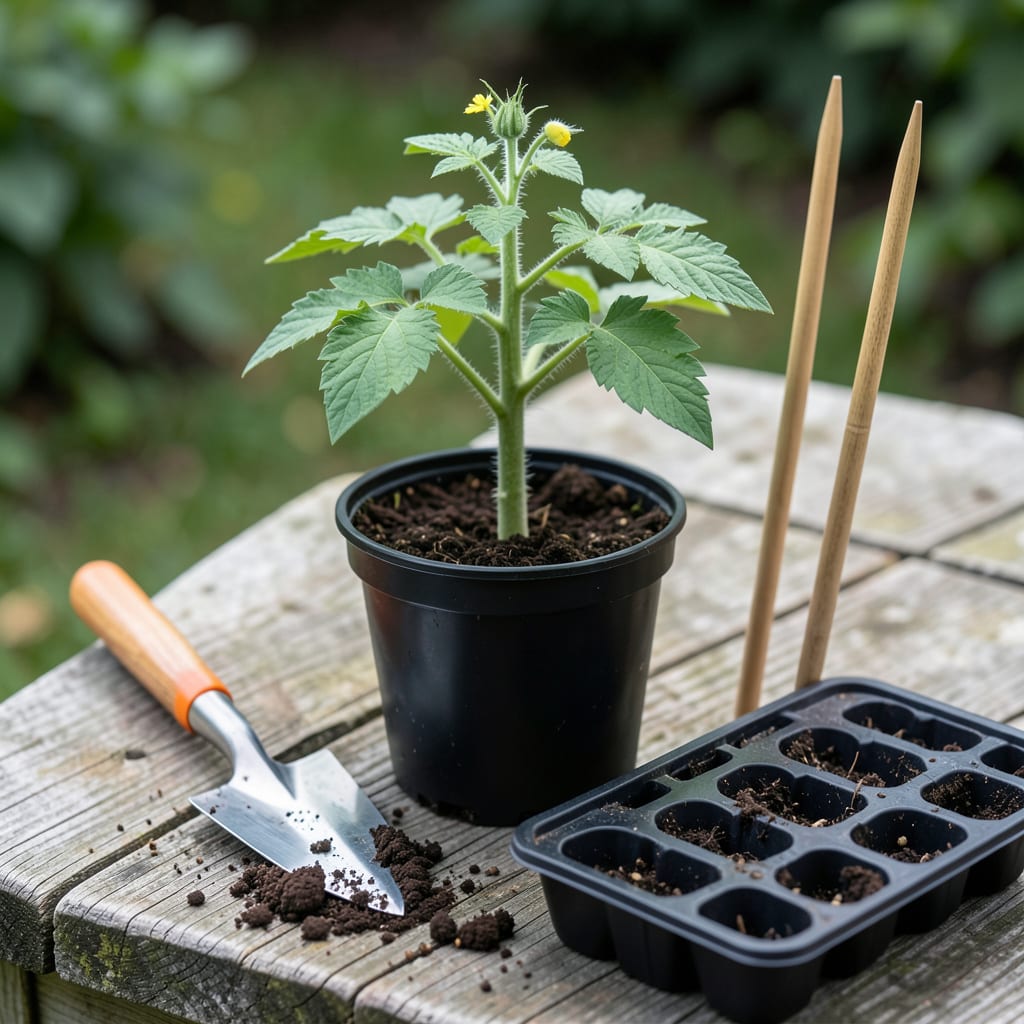
One wrong move with your planting timing, and Wisconsin’s unpredictable spring frosts could wipe out your 🍅 tomato dreams before they even begin. I’ve seen it happen—eager gardeners rush to plant in April, only to lose everything to a late cold snap.
The good news? There’s a perfect window to get it right—whether you’re starting seeds indoors or transplanting outdoors. Let me break down the exact timing for Zone 5b, so you can avoid costly mistakes and set yourself up for a bumper harvest this summer.
Wisconsin’s USDA zones 3-5 mean frost dates vary dramatically—from late April in Milwaukee to mid-May in Green Bay. I’ve learned the hard way that soil temp matters more than calendar dates. Your tomatoes need 60°F+ soil to thrive, not just air warmth.
Start seeds 6-8 weeks before your last frost (around March 15 for southern WI, April 1 up north). Transplant outdoors only after the last frost date—typically May 15 for most of the state. Here’s your exact timeline:
🌡️ Pro Tip: Use a soil thermometer—60°F at 4″ depth is your green light for planting!
Northern gardeners, take note: Your shorter season (just 120-140 days) demands early-maturing varieties like ‘Stupice’ (55 days) or ‘Early Girl’ (60 days). Southern WI can experiment with heirlooms like ‘Brandywine’ (90 days).
Watch for microclimates—urban areas (Madison, Milwaukee) warm up 1-2 weeks earlier than rural spots. I use black plastic mulch to warm soil faster in cooler zones. Even a 3°F difference can mean earlier planting.
Soil prep is non-negotiable. Two weeks before transplanting, I work in 2-3 inches of compost and test pH (aim for 6.2-6.8). Cold, wet soil = sad tomatoes. Wait until it’s crumbly and warm to the touch.
For container gardeners: Start seeds indoors under grow lights 12-14 hours/day. Harden off seedlings 7-10 days before transplanting by placing them outside for increasing hours daily. Skipping this shocks plants!
Late frosts happen—even in June! Keep row covers or frost blankets handy. I’ve saved countless plants by covering them when temps dip below 40°F. Remove covers by 10 AM to prevent overheating.
Want to push the season? Try wall-o-water devices or low tunnels. These can let you plant 2-3 weeks earlier in spring and extend harvests into October. Just monitor for overheating on sunny days.
Remember: Wisconsin’s first fall frost (around October 15) ends the season. Pick all green tomatoes before then and ripen indoors. I wrap individual fruits in newspaper with a ripe banana to speed ripening.
Your best tool? A frost date calculator like the one from UW-Extension. Plug in your exact location for hyper-local dates. And always—always—check the 10-day forecast before planting!
Even experienced gardeners make costly tomato-planting errors in Wisconsin’s finicky climate. I’ve watched neighbors lose entire crops by ignoring microclimate differences between Milwaukee’s urban heat and Green Bay’s lake-cooled air. Let’s tackle the three biggest mistakes I see every season.
The first blunder? Trusting calendar dates over soil conditions. That May 15 “last frost date” means nothing if your soil’s still 50°F and soggy. I use a $10 soil thermometer to check 4-inch depth temps—wait for 60°F+ to avoid stunted growth. 🌡️
⚠️ Microclimate Alert!
Urban areas (Madison, Milwaukee) can be 10°F warmer than rural zones. Adjust planting dates based on:
💡 Pro Move: Track temps with a min/max thermometer for 3 days before planting.
Mistake #2 is choosing the wrong varieties for Wisconsin’s short season. Northern gardeners only have 120 frost-free days—not enough for 80-day ‘Beefsteak’ tomatoes. I stick with ‘Early Girl’ (50 days) or ‘Glacier’ (45 days) up north. Southern WI can try ‘Celebrity’ (70 days).
The third critical error? Skipping soil prep. Tomatoes need loose, nutrient-rich soil (pH 6.2-6.8). I mix in 2 inches of compost and 1/4 cup bone meal per plant. Test drainage by digging a 1-foot hole—if water pools, add perlite or sand. Poor soil = blossom end rot. 🪴
Container gardeners often underestimate root space needs. A 5-gallon bucket seems big, but tomatoes need 10+ gallons for stable growth. I use fabric grow bags with drip irrigation to prevent root circling. Small pots = water-stressed plants and cracked fruits.
Finally, don’t ignore hardening off! Moving seedlings straight from indoor lights to full sun causes sunburn. I harden mine over 7 days: 1 hour of shade on Day 1, up to 6 hours of sun by Day 7. Skipping this step means wilting, yellow leaves within 24 hours. ☀️
Wisconsin’s short growing season doesn’t have to limit your tomato harvest. With a few clever tricks, I’ve managed to get ripe tomatoes by July 4th and keep harvesting into October. The key? Working with Wisconsin’s climate, not against it.
For early planting, I swear by black plastic mulch and row covers. These simple tools can warm soil by 5-10°F, letting you plant 2-3 weeks earlier than normal. Just lay the mulch 3 weeks before planting to let it heat up.
💡 Pro Tip: Combine mulch + row covers for a 10-14 day head start in spring!
For late-season protection, watch the 10-day forecast like a hawk. When nights dip below 50°F, cover plants with frost blankets (not plastic—it conducts cold!). I use 1.5 oz fabric that lets light and water through.
Don’t forget about green tomato ripening! When frost threatens, harvest all mature green fruits and bring them inside. Store with a ripe banana in a paper bag—the ethylene gas speeds ripening. Check daily and remove any that show soft spots.
Container gardeners have a secret weapon: movable pots. I keep my patio tomatoes in 20-gallon grow bags so I can wheel them into the garage when frost warnings hit. Just
For the most ambitious gardeners, try high tunnels or unheated greenhouses. These can extend your season by 6-8 weeks in fall. I’ve harvested ‘Sungold’ cherries as late as October 30th in my 10’x12’ hoop house. Just be sure to ventilate daily to prevent fungal diseases.
Planting before soil reaches 60°F risks frost damage and stunted growth. Even if air temps feel warm, cold soil shocks roots and delays development. I’ve lost plants to late May frosts—always check the 10-day forecast before transplanting.
Use 10+ gallon containers with drainage holes and full-sun exposure (6+ hours daily). Dwarf varieties like ‘Patio’ or ‘Tiny Tim’ thrive in pots.
How do I protect plants from unexpected late frosts? Keep frost blankets or old bedsheets handy to cover plants when temps drop below 40°F. For best results, drape fabric over stakes (don’t let it touch foliage) and secure edges. Remove covers by 10 AM to prevent overheating.
Stick with early-maturing types like ‘Stupice’ (55 days), ‘Glacier’ (45 days), or ‘Early Girl’ (60 days). These produce fruit quickly before fall frosts hit. Avoid heirlooms needing 80+ days—they rarely ripen fully up north.
Definitely! Row covers can add 2-3 weeks to your season by trapping heat. I’ve harvested tomatoes into October using low tunnels and black plastic mulch. Just ventilate on warm days to prevent overheating—aim for <85°F inside.
