
Beautiful Plants For Your Interior
Beautiful Plants For Your Interior
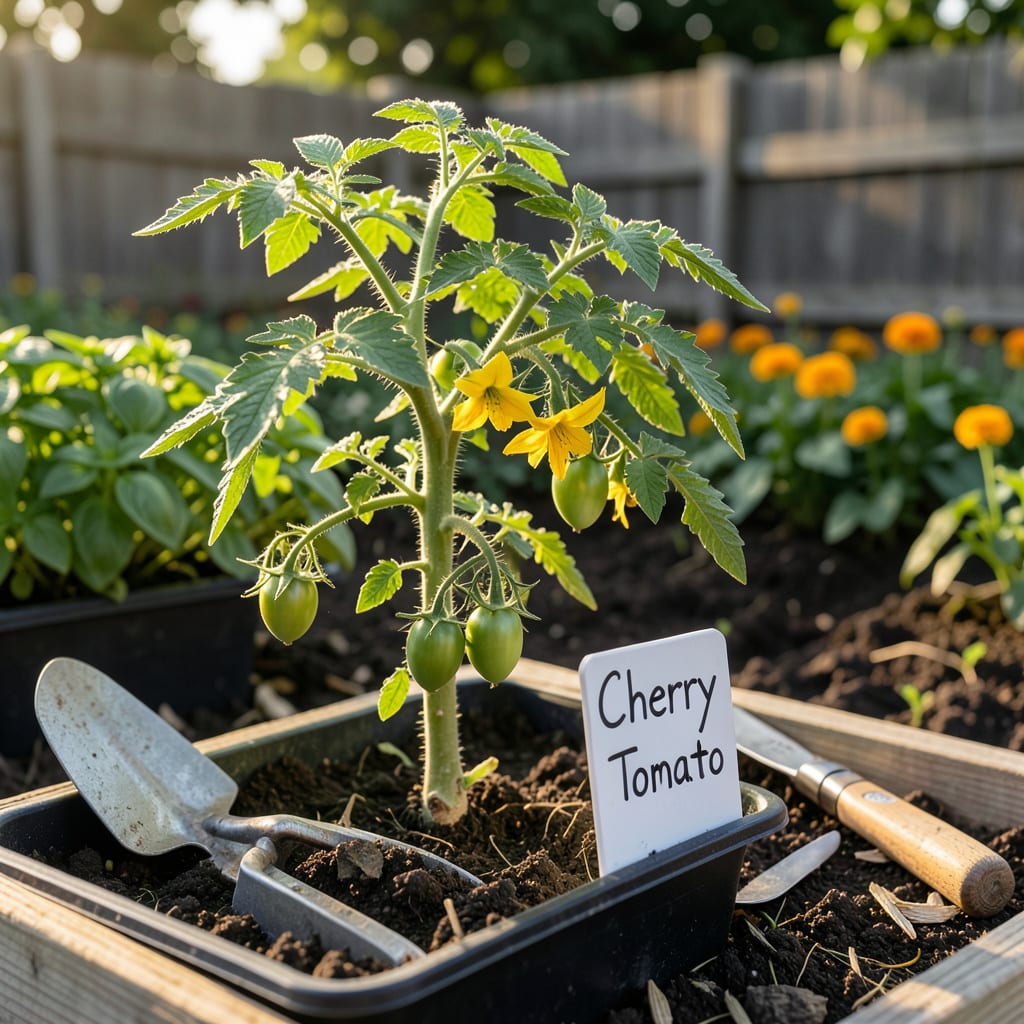
Timing your tomato planting in Washington State can mean the difference between a bumper crop and a disappointing harvest. Our state’s dramatic climate split—from damp coastal zones to arid eastern plains—demands precise planning.
Whether you’re in Seattle’s Zone 9a or Spokane’s Zone 5a, I’ll break down the exact windows to start seeds indoors and transplant outdoors. No more guessing—just science-backed timing tailored to your microclimate. Let’s get those 🍅 vines thriving.
If you’ve ever wondered why your neighbor’s tomatoes thrive while yours struggle, the answer often comes down to timing and location. Washington State’s diverse climates—from the damp, mild Puget Sound region to the hot, arid Columbia Basin—mean planting dates vary dramatically. Get it right, and you’ll enjoy juicy, sun-ripened tomatoes all summer long.
West of the Cascades (Zones 7b–9a), you can start seeds indoors as early as February or March, while Eastern WA gardeners (Zones 5a–7a) should wait until April or May. The key? Watch your last frost date and soil temperature—tomatoes need soil at least 60°F to thrive.
| Region | USDA Zone | Start Seeds Indoors | Transplant Outdoors | Last Frost Date |
|---|---|---|---|---|
| Western WA (Puget Sound, Coast) |
7b–9a | Feb 15–Mar 15 | Apr 15–May 15 | Mar 15–Apr 15 |
| Eastern WA (Spokane, Yakima) |
5a–7a | Mar 15–Apr 1 | May 15–Jun 1 | Apr 15–May 15 |
| High Elevation (Mountains, Foothills) |
4b–6a | Apr 1–Apr 15 | Jun 1–Jun 15 | May 15–Jun 1 |
✂️ Pro Tip: Use black plastic mulch to warm soil 2–3 weeks earlier in cooler zones.
In Western WA, the maritime climate means cooler springs but milder winters. I recommend starting seeds indoors 8 weeks before your last frost—that’s late February for Zone 9a (Seattle) or early March for Zone 7b (Olympia). Transplant outdoors only after nighttime temps stay above 50°F, usually mid-April to mid-May.
East of the Cascades, hotter days and colder nights create a shorter window. Spokane gardeners (Zone 6a) should wait until May 15–June 1 to transplant, while Yakima (Zone 7a) can push to early May. Soil prep is critical here—amend with compost to retain moisture in sandy soils and use drip irrigation to combat heat stress.
For high-elevation areas (like the Cascades foothills), frost can linger until early June. Stick to early-maturing varieties like ‘Stupice’ (55 days) or ‘Glacier’ (56 days). Use row covers or cold frames to extend the season by 2–3 weeks. I’ve had success with container gardening in these zones—move pots to sheltered spots during unexpected frosts.
Urban gardeners in Seattle or Tacoma benefit from heat islands, which can allow planting 1–2 weeks earlier than rural areas. Test your soil temp with a $10 thermometer—if it’s consistently 60°F at 6″ deep, you’re good to go. In Eastern WA, watch for late spring winds that can damage young plants; use stakes or cages at planting time.
No matter your zone, harden off seedlings for 7–10 days before transplanting. Start by placing them outside for 2–3 hours in shade, gradually increasing sun exposure. This prevents transplant shock, which can stunt growth for weeks. And always plant deeply—bury two-thirds of the stem to encourage strong roots.
If you’re in a coastal area (like the Olympic Peninsula), expect cooler summers and more fog. Choose disease-resistant varieties like ‘Defiant’ or ‘Mountain Merit’ to fight off blight and mold. Space plants 3–4 feet apart for airflow, and prune lower leaves to reduce humidity around the fruit.
For the absolute best results, pair your planting schedule with a soil test. Washington’s native soils are often acidic (pH 5.5–6.5)—tomatoes prefer 6.0–6.8. Amend with lime to raise pH or sulfur to lower it, and mix in aged compost for nutrients. A little prep now means bigger, sweeter tomatoes later! 🌿
Even experienced gardeners can sabotage their tomato harvest by overlooking Washington’s unique challenges. I’ve seen healthy seedlings wilt overnight from avoidable errors—like ignoring microclimates or misjudging soil temps. Let’s tackle the top 3 mistakes that derail WA tomato crops, so you can sidestep them this season.
First up: planting too early because the calendar says “spring.” In Western WA, air temps can mislead—you might hit 60°F days in March, but if the soil is still 50°F, your tomatoes will sulk. Always use a soil thermometer to confirm warmth at 6″ depth before transplanting.
💡 Fix It Fast: For mistake #1, lay black plastic 2 weeks pre-plant to warm soil. Add a cloche for extra heat in Zone 5-6 areas.
In Western WA, the second mistake—overwatering—is rampant. Our cool, wet springs mean tomatoes often drown before they fruit. I combat this by planting in raised beds with fast-draining soil (mix 50% native soil, 30% compost, 20% perlite). Only water when the top 1–2″ of soil feels dry.
Eastern WA gardeners face the opposite problem: underestimating wind. A gentle breeze might feel nice to you, but 20-mph gusts can sandblast leaves and snap stems. My solution? Plant tomatoes on the south side of a fence or use burlap windbreaks. For containers, group pots together to create a microclimate and weigh them down with bricks.
Here’s a mistake no one talks about: choosing the wrong variety for your zone. In cool coastal areas, ‘Early Girl’ (57 days) outperforms beefsteaks, while hot inland zones need heat-tolerant types like ‘Solar Fire.’ Always check the “days to maturity”—if your season is under 120 days, skip 80-day varieties.
Finally, neglecting to harden off seedlings is a silent killer. Even if you nail the planting date, seedlings raised indoors need 7–10 days to adjust. Start with 2 hours in shade, gradually increasing to full sun. Skip this, and you’ll see sunburned leaves or stunted growth within days.
For foolproof success, pair these fixes with a frost alert system (I use the WA AgWeather Network). Set reminders to check soil moisture weekly and inspect leaves for wind damage or pests. Small tweaks now mean pounds of tomatoes later—without the heartbreak of lost plants! ✂️
Not all tomatoes thrive in Washington’s diverse microclimates, but I’ve tested dozens to find the top performers for our state. Whether you’re battling cool coastal fog or scorching inland heat, picking the right variety can double your harvest. Let’s match you with tomatoes that’ll flourish in your corner of WA.
In Western WA’s damp, mild summers, focus on disease-resistant and early-maturing types. Varieties like ‘Defiant’ (65 days) shrug off blight, while ‘Stupice’ (55 days) produces fruit even in 50°F nights. For containers, ‘Tiny Tim’ stays compact but pumps out sweet cherry tomatoes all season.
| Region | Best For | Top Variety | Days to Harvest | Key Trait |
|---|---|---|---|---|
| Western WA (Coastal, Puget Sound) |
Cool, damp | Defiant | 65 | Blight-resistant |
| Eastern WA (Spokane, Yakima) |
Hot, dry | Solar Fire | 75 | Heat-tolerant |
| High Elevation (Mountains) |
Short season | Glacier | 56 | Cold-hardy |
| Urban Gardens (Containers) |
Small spaces | Sweet Million | 65 | Prolific cherry |
💡 Pro Tip: For Eastern WA heat, plant tomatoes where they get morning sun but afternoon shade to prevent sunscald.
For Eastern WA’s hot, dry summers, seek out heat-set varieties like ‘Solar Fire’ or ‘Heatmaster.’ These keep producing even when temps hit 90°F+. I also love ‘Celebrity’ for its drought tolerance—perfect for Yakima’s sandy soils. Mulch heavily with straw or grass clippings to retain moisture.
If you’re in a high-elevation area with a short season, prioritize ultra-early varieties like ‘Glacier’ (56 days) or ‘Siberian’ (58 days). These can handle cool nights and still ripen before frost. Pair them with row covers to gain extra weeks. For container gardeners, ‘Patio Princess’ stays under 2 feet tall but yields full-sized fruit.
Don’t overlook heirlooms if you crave flavor! ‘Black Krim’ thrives in Western WA’s cooler summers, while ‘Cherokee Purple’ does well in Eastern WA’s heat. Just be prepared for lower disease resistance—space plants 4 feet apart for airflow and prune aggressively. For beginner gardeners, hybrids like ‘Early Girl’ offer reliability and consistent yields.
No matter your zone, succession planting can extend your harvest. In Western WA, sow a second crop of ‘Siletz’ (52 days) in early July for fall tomatoes. In Eastern WA, opt for ‘Oregon Spring’ (58 days) as a late-season addition. Always use transplants for succession planting—seeds won’t mature in time.
For the juiciest tomatoes, match your variety to your microclimate and rotate crops yearly to prevent disease. Test a few types each season to find your favorites—Washington’s diversity means there’s a perfect tomato for every garden! 🍅
For Zones 7b–9a (like Seattle or Olympia), begin seeds indoors as early as mid-February. This gives plants 8 weeks to grow before transplanting after the last frost (typically March 15–April 15). Use a heat mat to speed germination in cooler homes.
In Zones 5a–7a, use row covers or cloches to shield transplants if temps dip below 50°F. For unexpected frosts, drape old blankets or burlap over cages at dusk—remove by 9 AM to avoid overheating. Black plastic mulch also helps warm soil.
Choose compact varieties like ‘Tiny Tim’ or ‘Patio Princess’ and use 5-gallon containers with drainage. Place pots in full sun (6+ hours) and water daily—balconies dry out faster. Fertilize every 2 weeks with a balanced liquid feed.
Yellowing leaves often signal overwatering or nutrient deficiency. In damp climates, use raised beds with well-draining soil and avoid wetting foliage. Test soil pH—tomatoes prefer 6.0–6.8. Add compost or a low-nitrogen fertilizer if needed.
In Zones 4b–6a (like the Cascades), plant transplants by June 15 at the latest. Opt for early-maturing varieties (‘Glacier’ or ‘Stupice’) and use row covers to extend the season. Soil temps must be 60°F+—warm with black plastic if needed.
