
Beautiful Plants For Your Interior
Beautiful Plants For Your Interior
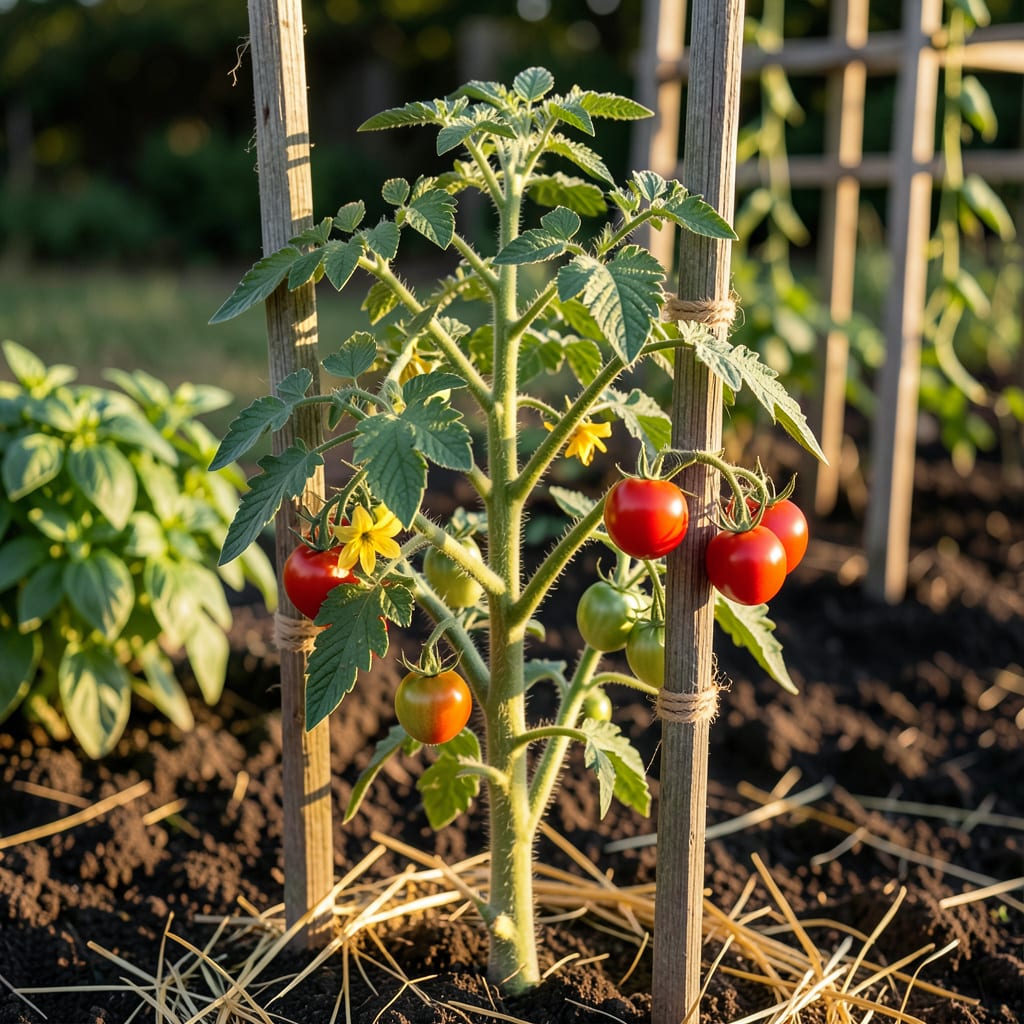
Timing your 🍅 tomato planting in Utah can make or break your harvest. Plant too early, and a late frost might wipe out your seedlings. Wait too long, and you’ll miss the prime growing window for those juicy, sun-ripened fruits.
I’ve tested the perfect planting windows across Utah’s zones—from the cooler northern valleys to the warmer southern regions. Let me show you exactly when to start seeds indoors and transplant outdoors so you can enjoy a bountiful harvest all summer long.
Utah’s diverse climate means tomato planting dates vary dramatically from Logan to St. George. In northern Utah (Zones 4-6), you’ll need to wait until late May for safe transplanting, while southern Utah (Zones 7-9) can start as early as mid-April. The key is your last frost date.
I always check soil temperature—it must hit 60°F before transplanting. Utah’s alkaline soil and high elevation create microclimates that can shift dates by weeks. Let’s break down the exact windows for your area, including when to start seeds indoors and move plants outside.
| Region | Start Seeds Indoors | Transplant Outdoors | Last Frost Date | First Fall Frost |
|---|---|---|---|---|
| Northern Utah (Zones 4-6) | March 15–April 1 | May 15–June 1 | May 10–20 | Oct 1–15 |
| Central Utah (Zones 5-7) | March 1–March 15 | May 1–May 15 | April 25–May 5 | Oct 10–25 |
| Southern Utah (Zones 7-9) | Feb 15–March 1 | April 15–May 1 | April 1–15 | Nov 1–15 |
*Dates are averages—always check your local USU Extension for microclimate adjustments.
For northern Utah, I recommend starting seeds 6-8 weeks before your last frost. Use a heat mat to maintain 70-80°F soil temps for germination. In southern Utah, you can direct-sow some varieties in late April if soil is warm enough.
Watch for microclimate variations. Urban areas like Salt Lake City often have warmer pockets due to heat islands, allowing planting 1-2 weeks earlier than surrounding areas. Rural and higher-elevation gardens should stick to the later end of the window.
Soil prep is critical in Utah. Our clay-heavy, alkaline soil needs amending with compost and sulfur to lower pH. I test my soil every spring—aim for 6.0-6.8 pH for tomatoes. Add 2-3 inches of organic matter and till to 12 inches deep.
For frost protection, keep row covers or cloches ready until late May in northern Utah. Southern gardeners can use shade cloth in June/July to protect from intense sun. Remember: tomatoes stop setting fruit above 90°F!
Consider succession planting for extended harvests. In southern Utah, plant a second crop in late July for fall tomatoes. Northern gardeners should stick to early-maturing varieties like ‘Early Girl’ or ‘Stupice’ to beat the frost.
Pro tip: Use black plastic mulch to warm soil 2-3 weeks earlier in spring. This trick gives northern Utah gardeners a head start. Just remove it in summer to prevent overheating roots in southern Utah’s heat. 🌡️
Always monitor nighttime temperatures. Even after the last frost date, dips below 50°F can stunt growth. I use a soil thermometer and wait until nights stay above 55°F before transplanting—usually 2 weeks after the last frost date.
Even experienced gardeners can stumble when planting 🍅 tomatoes in Utah’s tricky climate. I’ve seen firsthand how ignoring soil prep, misjudging frost dates, or overwatering clay soil can ruin a season’s work. Let’s fix these before they wreck your harvest.
Utah’s alkaline soil and unpredictable frosts demand extra attention. Many gardeners assume standard advice applies, but our high desert conditions require Utah-specific adjustments. Here’s what to watch for—and how to avoid disaster.
The biggest killer? Assuming “average” frost dates apply to your microclimate. Salt Lake City’s last frost might be May 10, but higher elevations (like Park City) can freeze until June 1. Always check your local extension office data.
Another silent yield-killer: poor watering habits. Utah’s clay soil holds moisture but drains poorly. I use a soaker hose on a timer—1 inch per week, split into 2-3 deep sessions. Avoid overhead sprinklers to prevent blossom-end rot.
Don’t forget variety selection! Planting a 90-day heirloom in northern Utah? You’ll likely get green tomatoes before frost. Stick to early-maturing types like ‘Early Girl’ (50 days) or ‘Glacier’ (55 days) for reliable harvests.
Finally, neglecting frost protection in spring/fall costs weeks of growth. Keep frost blankets or 5-gallon buckets handy for surprise cold snaps. A little prep now means pounds more tomatoes later! 🌱
Not all 🍅 tomatoes thrive in Utah’s unique climate. Our short growing season in the north and intense summer heat in the south demand careful variety selection. I’ve tested dozens of types and found the best performers for each region.
For northern Utah (Zones 4-6), focus on early-maturing varieties that can handle cooler nights. Southern gardeners (Zones 7-9) need heat-tolerant types that keep producing when temperatures soar above 90°F. Let’s match the right tomato to your zone.
*Days to maturity from transplant. All varieties are disease-resistant to verticillium wilt, common in Utah soils.
For container gardening, I love ‘Tiny Tim’ or ‘Patio Princess’. These compact varieties produce full-sized tomatoes in 5-gallon pots. Perfect for urban balconies or small spaces where in-ground planting isn’t an option.
If you’re battling blossom-end rot (common in Utah’s alkaline soil), try ‘Mountain Merit’. This variety was bred for calcium efficiency and consistently produces perfect fruit even in our challenging conditions. I’ve had great success with it in both northern and southern gardens.
For sauce and canning, ‘San Marzano’ performs well in southern Utah’s heat, while ‘Roma’ is more reliable in cooler northern areas. Both produce meaty, low-seed fruit perfect for preserving—just be sure to stake them well as they grow heavy with fruit.
Remember: indeterminate varieties need tall cages (6+ feet), while determinate types stay compact. In windy areas, I use Florida weave trellising for better support. Pair your tomatoes with basil or marigolds to deter pests naturally. 🌿
Wait until mid-to-late May for safe transplanting in zones 4-6. Soil must reach 60°F, and nighttime temps should stay above 50°F. Use row covers if you must plant earlier.
Keep frost blankets or 5-gallon buckets handy. Cover plants in the evening and remove by mid-morning. For extra warmth, add Christmas lights under the cover—just don’t let them touch foliage.
Choose compact varieties like ‘Tiny Tim’ or ‘Patio Princess’. Use 5-gallon containers with drainage holes and a soaker hose for consistent moisture. Place in full sun (6+ hours daily).
Uneven watering causes cracking. Utah’s arid air dries soil quickly—water deeply every 3-4 days instead of light daily watering. Mulch with straw to retain moisture and prevent rapid growth spurts.
Reduce water slightly as fruit ripens—this concentrates sugars. Plant in well-draining soil amended with compost, and use shade cloth during peak afternoon heat. Harvest when fully colored but still firm for best flavor.
