
Beautiful Plants For Your Interior
Beautiful Plants For Your Interior
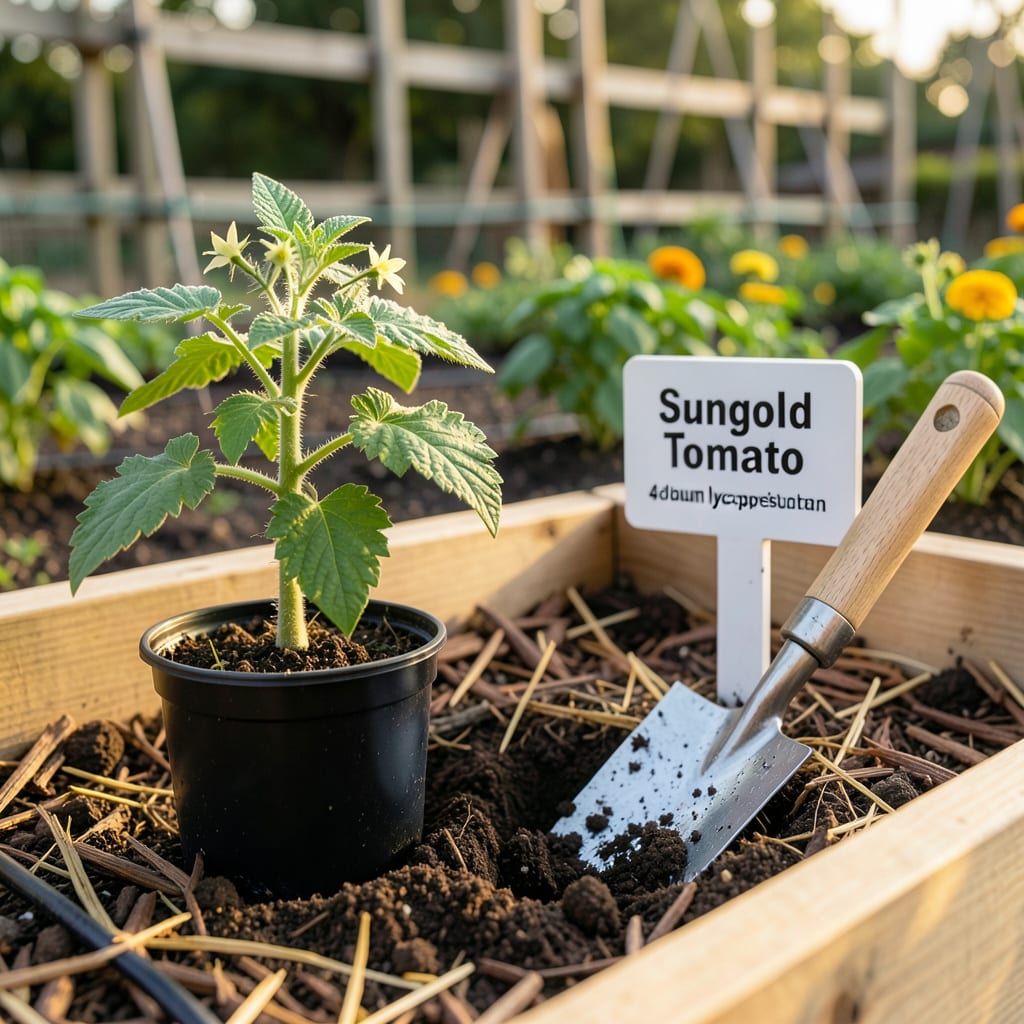
If you’ve ever bitten into a store-bought tomato and wondered why it tastes like cardboard, you’re not alone. The secret to those juicy, sun-ripened 🍅 flavors starts with perfect timing—and in Southern California, that timing is everything.
Our year-round growing season is a blessing, but it comes with unique challenges. Plant too early, and unexpected chills might stunt your seedlings. Wait too long, and you’ll battle scorching heat. I’ll show you the exact windows to plant for bigger harvests and sweeter tomatoes, no matter if you’re coastal or inland.
If you’re dreaming of plump, sun-sweetened tomatoes straight from your Southern California garden, timing is your secret weapon. Our region’s unique microclimates—from coastal fog zones to inland heat pockets—mean planting windows vary dramatically. I’ll break down the exact months to plant for a bountiful harvest, whether you’re in San Diego, LA, or the Inland Empire.
First, know your USDA zone: Most of SoCal falls in zones 9–11, where frost is rare but soil temperature and heat tolerance dictate success. Coastal gardeners can start earlier thanks to milder winters, while inland growers must watch for summer scorchers that stall fruit set. Here’s your tailored schedule:
| Region | Best Planting Months | Soil Temp Threshold | Harvest Window | Variety Recommendation |
|---|---|---|---|---|
| Coastal (San Diego, LA, Orange County) |
Jan–Mar Aug–Sep |
60°F+ | May–July Oct–Dec |
‘Early Girl’, ‘Sweet 100’ |
| Inland (Riverside, San Bernardino) |
Feb–Apr Sep |
65°F+ | Jun–Aug Nov |
‘Celebrity’, ‘Heatmaster’ |
| Desert (Palm Springs, Coachella) |
Mar–Apr Sep–Oct |
70°F+ | Jul–Sep Dec–Jan |
‘Solar Fire’, ‘Phoenix’ |
For coastal gardeners, January is your golden ticket—start seeds indoors or transplant nursery starts by late February. The ocean’s moderating effect means you can often sneak in a second crop in late summer for winter harvests. I’ve had success with ‘Sungold’ cherries planted in August for December sweets!
Inland areas like the Inland Empire or San Fernando Valley demand patience. Wait until soil hits 65°F (usually March) to avoid stunted growth. Pro tip: Use a soil thermometer—don’t guess! If you plant too early, cold soil can shock roots and delay fruiting by weeks.
Desert dwellers, your short windows are March–April and September–October. Avoid summer planting—triple-digit temps cause blossom drop. Instead, focus on heat-tolerant varieties like ‘Phoenix’ or ‘Solar Fire’, which thrive in 90°F+ weather and still set fruit.
No matter your zone, soil prep is non-negotiable. Work in 2–3 inches of compost and a balanced fertilizer (10-10-10) before planting. I swear by mycorrhizal fungi additives—they help roots absorb water and nutrients faster, which is crucial in our fast-draining soils.
Watch for Santa Ana winds in fall—they can desiccate plants overnight. Shield young transplants with windbreaks or row covers. And if you’re tempted to plant in May or June, resist! High heat stresses plants, leading to poor fruit set and blossom end rot.
For year-round tomato lovers, consider container gardening. Move pots to shadier spots in summer and sunnier exposures in winter. Dwarf varieties like ‘Patio Princess’ or ‘Tiny Tim’ excel in pots and can produce two crops annually with proper care.
Remember: Tomatoes need 6–8 hours of sun daily, but in Zone 11 (think Imperial Valley), afternoon shade prevents sunscald. Use 30% shade cloth if temps exceed 95°F consistently. I’ve saved many a tomato plant with this simple trick!
Finally, mark your calendar for fall planting in August–September. This is your chance for a second harvest before winter. Choose fast-maturing varieties (60 days or less) to beat the cool-season slowdown. With these timings, you’ll be swimming in tomatoes while others are just dreaming of next year’s garden! 🌱
Even with perfect timing, small missteps can sabotage your Southern California tomato crop. I’ve seen gardeners lose weeks of growth—or entire plants—because of avoidable errors. Let’s tackle the top 5 mistakes that derail tomato success, so you can sidestep them and focus on bigger, sweeter harvests.
First up: ignoring soil temperature. Many SoCal gardeners assume our mild winters mean they can plant anytime. Wrong! Tomatoes need soil above 60°F to thrive. Planting in cold soil (even if air temps are warm) leads to stunted roots and poor fruit set. Always check with a soil thermometer—it’s a $10 investment that saves months of frustration.
Another biggie: overcrowding plants. It’s tempting to cram in as many tomatoes as possible, but poor airflow invites fungal diseases like powdery mildew. Give determinate varieties (bush types) 2–3 feet of space, and indeterminate varieties (vining) 3–4 feet. I use tomato cages or stakes to keep plants upright and airy—this cuts disease risk by 50% in my garden!
Watering mistakes are also rampant. Inconsistent moisture leads to blossom end rot (those ugly black spots on fruit). The fix? Deep watering 2–3 times weekly, delivering 1–2 gallons per plant. Avoid overhead watering—drip irrigation or soaker hoses keep leaves dry and prevent fungal issues. And never water at night; damp foliage overnight is a mold magnet.
Here’s a mistake I made my first year: planting mid-summer. Inland SoCal’s June–August heat (often 95°F+) causes blossom drop—flowers fall off before fruiting. If you miss the spring window, wait for late summer/early fall (August–September) to plant again. For desert gardeners, September plantings often outperform spring ones, thanks to cooler nights.
Finally, don’t neglect variety selection. Planting a cool-season heirloom like ‘Brandywine’ in the Inland Empire is asking for trouble—it’ll wilt in the heat. Instead, opt for heat-tolerant hybrids like ‘Heatmaster’, ‘Solar Fire’, or ‘Celebrity’. Coastal gardeners can experiment with fog-friendly varieties like ‘Stupice’ or ‘Siletz’, which thrive in cooler, damp conditions.
One last pro tip: rotate your crops. Never plant tomatoes in the same spot year after year—this depletes soil and invites pests like nematodes. I rotate mine with beans or basil to replenish nitrogen and confuse pests. If space is tight, refresh the soil with compost and worm castings before replanting. 🌱
Not all tomatoes thrive in SoCal’s diverse microclimates. The secret to a bumper crop? Matching the right variety to your specific region. Coastal gardeners battle morning fog, while inland growers face scorching summers. Let’s dive into the top performers for each zone.
For coastal areas (think San Diego or LA), cool-tolerant varieties reign supreme. These plants handle foggy mornings and milder temps without sacrificing flavor. My favorites include ‘Early Girl’ (50 days) and ‘Stupice’ (60 days), both of which produce reliable yields even in Zone 10’s unpredictable springs.
| Region | Top Variety | Days to Harvest | Flavor Profile | Heat Tolerance |
|---|---|---|---|---|
| Coastal | ‘Sungold’ | 55–65 | Sweet, tropical | Moderate |
| Inland | ‘Heatmaster’ | 70–80 | Balanced, tangy | High |
| Desert | ‘Solar Fire’ | 75–85 | Rich, low-acid | Very High |
| All Zones | ‘Celebrity’ | 65–70 | Classic, versatile | Moderate-High |
Inland gardeners in Riverside or San Bernardino need heat-loving varieties. ‘Heatmaster’ lives up to its name, producing flawless fruit even when temps hit 95°F+. For cherry tomato fans, ‘Sweet Million’ (60 days) is a prolific producer that resists cracking in dry heat.
Desert dwellers, your best bet is ‘Solar Fire’ or ‘Phoenix’. These varieties are bred for extreme heat and low humidity. They’ll keep setting fruit when others wilt. Pair them with drip irrigation and mulch to combat rapid moisture loss in sandy soil.
For container gardeners, ‘Patio Princess’ (55 days) and ‘Tiny Tim’ (60 days) are stars. They stay compact but yield full-sized tomatoes. I grow mine in 5-gallon buckets with coconut coir for moisture retention—perfect for small spaces or renters!
No matter your zone, succession planting extends your harvest. Start with early varieties in January–February, then add mid-season types in March. For a fall crop, plant ‘Early Girl’ or ‘Glacier’ in August—they’ll mature before winter chill sets in. 🌿
Yes, but with caveats! Coastal areas can often produce two crops annually—spring and fall. Inland regions struggle with summer heat (blossom drop) and winter chill (slow growth). For winter tomatoes, try greenhouse growing or cold-hardy varieties like ‘Siberian’.
Use windbreaks like burlap screens or plant along a fence. For young plants, stakes + twine provide support. Mulch heavily to prevent soil drying. In extreme winds, temporary row covers work well—just remove them during the day to allow pollination.
Drip irrigation is ideal—delivers water directly to roots while keeping leaves dry. Water deeply 3x/week (1–2 gallons per plant) in early morning. Add 3–4 inches of mulch to retain moisture. Avoid overhead sprinklers to prevent fungal diseases.
For indeterminate varieties, prune suckers (side shoots) to improve airflow and fruit size. Determinate types need minimal pruning—just remove diseased leaves. Always prune in morning when plants are hydrated, and sterilize tools with rubbing alcohol.
Only if you amend it first. Tomatoes deplete soil nutrients and attract pests. Mix in 2–3 inches of compost and a balanced fertilizer (10-10-10). For disease prevention, solarize soil (cover with clear plastic for 4–6 weeks in summer) or rotate crops.
