
Beautiful Plants For Your Interior
Beautiful Plants For Your Interior
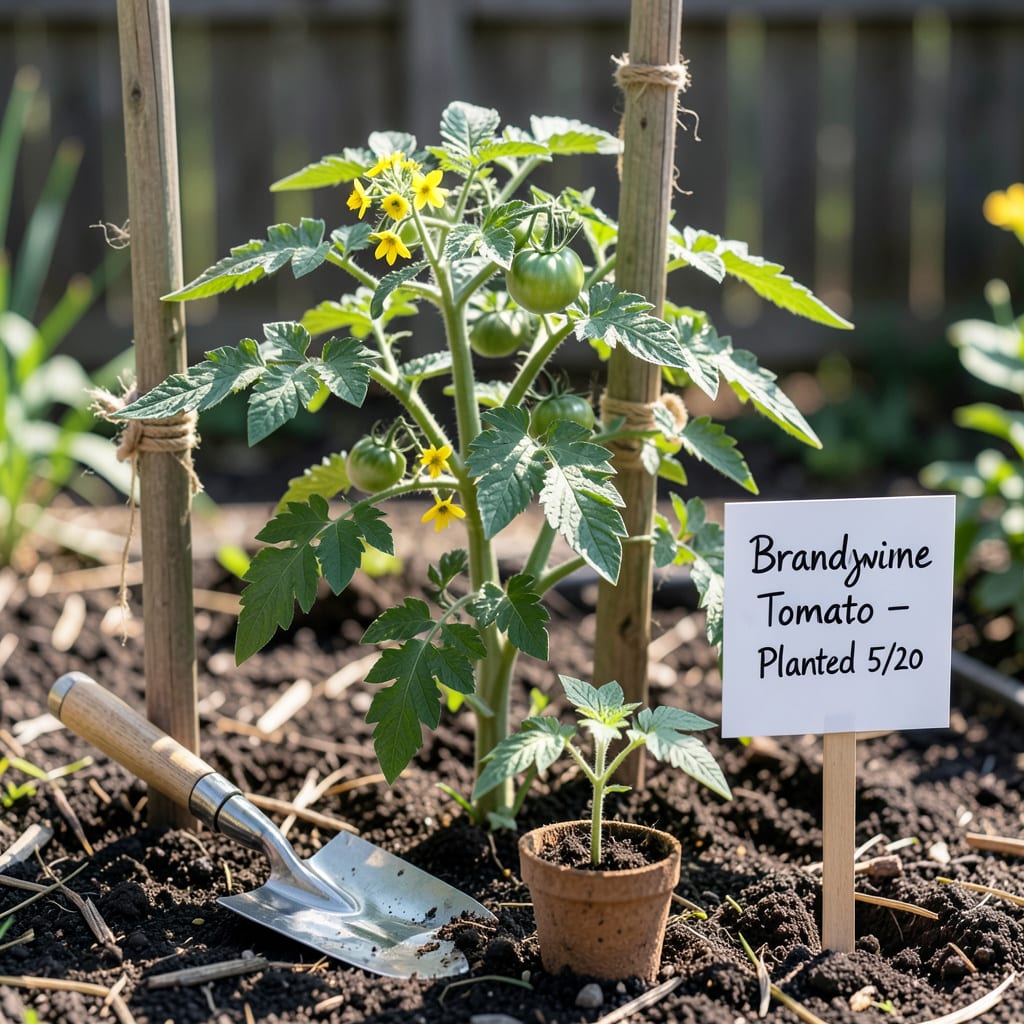
If you’ve ever watched your tomato plants wilt in South Florida’s scorching summer or struggle through unexpected cold snaps, you know timing isn’t just important—it’s everything. Our unique climate demands a precise approach that most generic planting guides simply miss.
After years of testing and tweaking, I’ve nailed down the perfect windows for planting tomatoes in Zone 10b that consistently deliver bumper crops. Let me show you exactly when to get those seedlings in the ground for juicy, sun-ripened 🍅 all season long—without the guesswork.
South Florida’s USDA Zone 10b climate gives us a rare advantage: we can grow tomatoes nearly year-round—if we time it right. The secret lies in avoiding the summer scorcher (June-September) when heat and humidity invite pests and diseases. I’ve found two golden windows that work like magic.
Our fall planting season (October-November) and late winter window (January-February) are when soil temperatures hover around that sweet spot of 65-85°F. This is when tomato roots establish quickly and plants focus on fruit production rather than survival. Let me break down exactly when to plant for maximum yields.
I always recommend starting your fall tomatoes by mid-October at the latest. This gives plants enough time to establish before our dry season kicks in around November. The winter planting window is slightly more forgiving—you can plant through February, but I’ve found January transplants often outperform later ones.
Here’s a pro tip: use a soil thermometer to check temperatures at 4-inch depth. When it consistently reads 65°F or higher, you’re good to go. Our limestone-heavy soils warm up quickly, so don’t rely on air temperature alone. I’ve seen many gardeners make this mistake and wonder why their seedlings struggle.
For those in coastal areas like Miami or Fort Lauderdale, you can often push your planting dates by 2-3 weeks earlier in fall and later in winter thanks to the moderating ocean influence. Inland areas like Homestead or Belle Glade should stick closer to the standard windows due to more extreme temperature swings.
Remember that transplants give you a 4-6 week head start over seeds. If you’re starting from seed, begin indoors 6-8 weeks before your target planting date. I prefer transplants for our short seasons—they establish faster and start producing sooner, which is crucial before the summer heat shuts down production.
One thing I’ve learned the hard way: our rainy season (May-October) isn’t just about water—it’s about humidity and fungal diseases. That’s why I always recommend planting in raised beds with excellent drainage. Even in our ideal planting windows, unexpected rain can drown roots if your soil isn’t prepared.
For those eager to extend the season, I’ve had success with shade cloth (30-50%) for late spring plantings. This can buy you an extra 3-4 weeks of production before the summer heat becomes too intense. Just be sure to monitor soil moisture closely—shade cloth reduces evaporation.
Finally, keep an eye on the 10-day forecast before planting. While frost is rare in Zone 10b, we occasionally get cold snaps in December-January that can stunt young plants. Be ready with row covers if nighttime temps dip below 50°F—your tomatoes will thank you with bigger, sweeter fruit. 🌱
Not all tomatoes can handle South Florida’s intense heat and stifling humidity. After testing dozens of varieties, I’ve found that heat-tolerant cultivars with built-in disease resistance produce the most reliable harvests. These aren’t your average grocery store tomatoes—they’re bred to thrive where others wilt.
The key is selecting varieties that can set fruit in high temperatures (above 90°F) and resist common Florida plagues like whiteflies and early blight. I always recommend starting with proven winners, then experimenting with one or two new varieties each season to find your personal favorites.
For container gardeners, I can’t recommend Solar Fire enough. This compact variety produces abundant 6-8 oz fruits even in our hottest months. I’ve grown it successfully in 5-gallon buckets with proper drainage—just be sure to water daily during fruit set.
If you’re planting directly in the ground, Heatmaster is my top pick. It consistently outperforms other varieties in my raised beds, producing meaty, crack-resistant tomatoes perfect for slicing. The plants grow vigorously but stay manageable at about 4-5 feet tall.
For those who love heirloom flavors, Everglades tomatoes offer a unique taste of Florida history. These small, pink fruits have a sweet-tart balance that’s perfect for salads. Just be prepared for slightly lower yields compared to hybrids, and watch for blossom end rot in our alkaline soils.
I always suggest planting at least two different varieties—one reliable producer like Celebrity and one specialty tomato. This gives you both consistent harvests and exciting flavors. Remember that cherry tomatoes like ‘Sweet 100’ can also thrive here if given afternoon shade during peak summer months.
When sourcing plants, I recommend visiting local nurseries in late September for fall planting stock. They’ll have varieties already acclimated to our climate. For seeds, University of Florida extensions often have trials of new heat-tolerant varieties worth trying. Always look for VFN resistance (Verticillium, Fusarium, Nematode) on plant tags—it’s non-negotiable in our soils. 🌱
After helping dozens of frustrated gardeners diagnose their wilting tomato plants, I’ve noticed the same three mistakes repeatedly sabotage South Florida gardens. These aren’t just minor missteps—they can completely destroy your harvest before you even get your first ripe tomato. Let me show you exactly what to avoid.
The good news? Each of these problems has a simple fix. I’ve rescued countless tomato plants by catching these issues early. The key is understanding how our unique climate—with its limestone soil, sudden downpours, and relentless humidity—creates perfect conditions for these particular problems to thrive.
Our limestone-based soil is the root of many problems. With a natural pH of 7.5-8.5, it locks out essential nutrients like iron and manganese. I’ve seen tomato plants with yellowing leaves that gardeners mistake for disease—when it’s actually nutrient deficiency from high pH. The fix? Mix compost and sulfur into your planting area 2-3 weeks before transplanting.
The rainy season mistake catches even experienced gardeners. When daily thunderstorms hit, it’s tempting to stop watering—but that’s when root rot sets in. Our heavy rains saturate the topsoil while leaving deeper roots parched. I combat this with drip irrigation on a timer, running for 15 minutes every other day even during rainy periods. This maintains consistent moisture without waterlogging.
Whiteflies are South Florida’s #1 tomato killer, and they explode overnight. I lost an entire crop years ago by waiting until I saw damage. Now I use yellow sticky traps as early warning systems and spray neem oil preventatively every 10 days. For severe infestations, I’ve had success with beauveria bassiana (a natural fungal pesticide) that won’t harm pollinators.
Remember that afternoon sun in South Florida isn’t just hot—it’s brutal. I’ve measured soil temperatures hit 110°F in unmulched beds by 2pm. A simple 2-3 inch layer of straw mulch keeps roots cooler and reduces water evaporation by 30%. For container plants, move them to morning sun only locations during our hottest months. 🌱
Summer planting is strongly discouraged due to extreme heat and humidity. Temperatures above 90°F prevent proper fruit set and encourage pests. Stick to October-March for best results.
Use a soil thermometer at 4-inch depth—ideal range is 65-85°F. Our limestone soil warms quickly, so check daily in early fall. Morning readings are most accurate.
Try 30-50% shade cloth for late spring plantings. This protects from intense afternoon sun while allowing airflow. Coastal gardeners can often plant 2-3 weeks earlier than inland areas.
Transplants give a 4-6 week head start and are ideal for our short seasons. If starting seeds, begin indoors 6-8 weeks before your target planting date for best results.
Keep row covers handy for nights below 50°F. Our rare cold snaps (December-January) can stunt growth. Remove covers by mid-morning to prevent overheating.
