
Beautiful Plants For Your Interior
Beautiful Plants For Your Interior
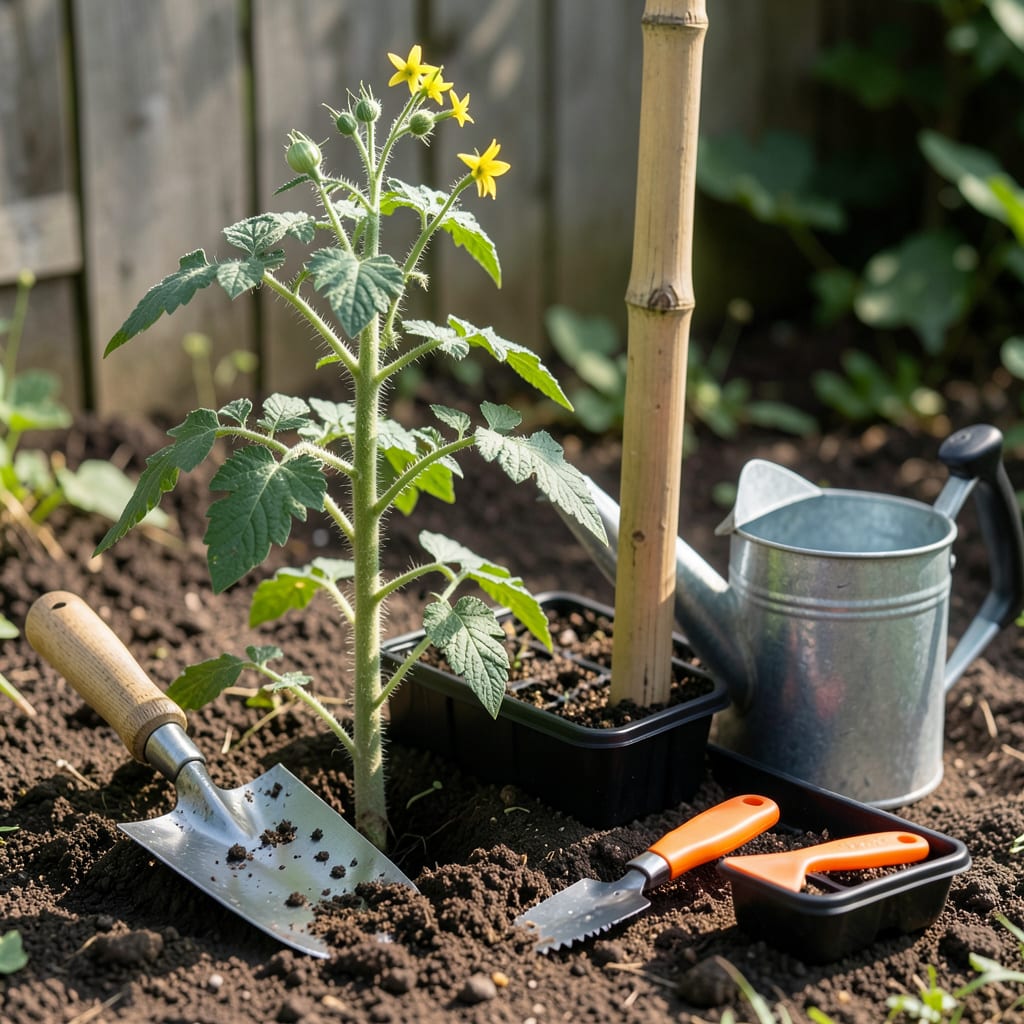
San Diego’s year-round growing season is a gardener’s dream—but timing your 🍅 tomato planting wrong could mean wasted effort. Our coastal climate lets you harvest in spring, summer, and fall, but each window demands a different strategy.
I’ll break down the exact months to plant for maximum yields, whether you’re near the coast or inland. You’ll also learn which heat-loving varieties thrive in our Zone 10 summers and how to avoid common mistakes that kill young plants. Let’s get it right the first time.
If you’re dreaming of plump, sun-sweetened tomatoes straight from your San Diego garden, timing is your secret weapon. Our year-round growing season lets us plant tomatoes almost anytime—but spring and late summer windows give the juiciest results. I’ll walk you through the exact months to start seeds, transplant, and enjoy harvests.
San Diego’s USDA Zones 10a/10b mean we dodge harsh winters, but we still battle coastal fog and inland heat spikes. The key? Matching your planting dates to your microclimate. Coastal gardeners can start earlier, while inland folks should wait for soil to warm above 60°F.
| Month | Coastal Areas | Inland Areas | Key Task |
|---|---|---|---|
| January | Start seeds indoors | Prep soil | Test soil pH (6.2-6.8 ideal) |
| February | Transplant seedlings | Start seeds indoors | Amend soil with compost |
| March | Direct sow or transplant | Transplant seedlings | Install drip irrigation |
| April | Plant heat-tolerant varieties | Plant all varieties | Mulch to retain moisture |
| August | Start fall crop seeds | Sow fall crop seeds | Prune summer plants |
| September | Transplant fall seedlings | Transplant fall seedlings | Monitor for pests |
For spring planting, I recommend starting seeds indoors in January and transplanting by March. This gives plants time to establish before May Gray fog rolls in. If you miss this window, don’t worry! A second planting in August-September works beautifully for fall harvests.
Coastal gardeners in Ocean Beach or La Jolla can push planting dates earlier thanks to milder temps. But inland in El Cajon or Escondido, wait until soil reaches 60°F—usually late March. I use a soil thermometer to check; it’s a game-changer for avoiding stunted growth.
Pro tip: Heat-tolerant varieties like ‘Solar Fire’ or ‘Heatmaster’ thrive in our summers. For cooler months, try ‘Stupice’ or ‘Siberian’—they handle light frosts and produce well into winter. Always choose disease-resistant varieties to combat our humid coastal air.
Don’t forget soil prep! San Diego’s native soil is often sandy or clay-heavy. I mix in 30% compost and a handful of worm castings before planting. For containers, use a well-draining potting mix with added perlite—our low rainfall means you’ll need to monitor moisture closely.
Watering is critical during Santa Ana winds. New transplants need daily water for the first week, then taper to every 2-3 days. Use drip irrigation to keep foliage dry and prevent fungal issues. Mulch with straw or wood chips to lock in moisture and regulate soil temp.
Watch for blossom end rot, common in our alkaline soil. I prevent it with calcium amendments (like crushed eggshells) and consistent watering. If you’re growing in raised beds, they warm faster in spring—just be ready to shade plants during heat waves.
For the biggest harvests, feed tomatoes every 2-3 weeks with a low-nitrogen fertilizer (5-10-10). I switch to a potassium boost when fruits set. And don’t forget to prune suckers—it directs energy to fruit production, not foliage.
With this schedule, you’ll harvest sun-ripened tomatoes by early summer and again in fall. San Diego’s climate is a tomato grower’s paradise—just respect the microclimates and soil needs, and you’ll be swimming in BLTs and salsa… I mean, enjoying garden-fresh tomatoes all season! 🌱
San Diego’s diverse microclimates mean your tomato planting schedule isn’t one-size-fits-all. Coastal areas like La Jolla or Ocean Beach stay cooler longer, while inland valleys like El Cajon heat up faster. I’ve seen gardeners lose plants by following generic advice—let’s get specific.
The coastal zone benefits from moderate temps and morning fog, but struggles with slow soil warming. Inland areas, however, can experience 10-15°F temperature swings between day and night. These differences dramatically impact when you should plant your tomato seedlings.
| Factor | Coastal Areas | Inland Areas |
|---|---|---|
| First Planting | Late February | Mid-March |
| Last Frost Risk | Rare (Dec-Jan only) | Jan-Feb possible |
| Soil Warms to 60°F | Early March | Late March |
| Best Varieties | Early Girl, Stupice | Heatmaster, Solar Fire |
| June Gloom Impact | High (delay growth) | Low (clears faster) |
Coastal gardeners can start transplanting seedlings as early as late February, while inland folks should wait until mid-March. The soil temperature difference is crucial—tomatoes won’t thrive in cold soil. I use a soil thermometer to check; it’s saved me from many disappointing starts.
Inland areas like Escondido or Santee experience more temperature extremes. While this means faster growth in summer, it also requires more vigilant watering. Coastal areas stay cooler, which can delay ripening but also reduces heat stress on plants during peak summer.
The June Gloom phenomenon affects coastal areas more severely, often lasting into July. This overcast period can stunt growth if you’re not prepared. I combat this by using reflective mulch to maximize light and choosing fast-maturing varieties like ‘Tiny Tim’ for early harvests.
For inland gardeners, Santa Ana winds present another challenge. These dry, hot winds can desiccate plants overnight. I recommend windbreaks and deep watering before wind events. Both microclimates benefit from afternoon shade cloth during our intense summer sun, especially for heirloom varieties that are more sensitive to heat.
No matter where you garden in San Diego, success starts with variety selection. Coastal areas do well with cool-season tomatoes like ‘Oregon Spring’, while inland gardens should focus on heat-tolerant types. Always check your specific neighborhood’s microclimate data—what works in Mission Valley might fail in Ramona! 🌿
Even in San Diego’s forgiving climate, I’ve seen too many gardeners sabotage their tomato crops with avoidable errors. The biggest mistake? Ignoring our alkaline soil. Most native San Diego soil has a pH of 7.5-8.5, which locks out nutrients tomatoes crave. Without amendment, you’ll get yellow leaves and puny fruits.
Another common pitfall is misjudging microclimate frost risks. While coastal areas rarely dip below freezing, inland valleys can surprise you with late January frosts. I lost an entire bed of seedlings one year by planting too early in El Cajon—now I always check my specific zip code’s frost data.
The third deadly mistake is overwatering during May Gray. Our coastal fog keeps soil moist longer than you think. I’ve found that cutting water by 30% during overcast weeks prevents root rot. Use your finger to test moisture—if the top 2 inches feel damp, hold off on watering.
Here’s how to fix these issues: For alkaline soil, I mix in sulfur (1 lb/100 sq ft) and peat moss to lower pH. Inland gardeners should use row covers for early plantings and always have frost cloth ready. During foggy periods, switch to drip irrigation on a timer to prevent overwatering.
Bonus tip: Many San Diegans plant tomatoes too close together. Our dry air means less fungal pressure, so you can space plants 18-24 inches apart instead of the usual 36. But don’t crowd them—good airflow prevents powdery mildew, which thrives in our humid coastal pockets.
Remember, our Santa Ana winds can desiccate plants overnight. I lost count of how many gardeners I’ve seen with crispy tomato leaves after wind events. The fix? Windbreaks and deep watering before wind advisories. With these adjustments, you’ll avoid the pitfalls that trip up most local gardeners. 🌿
Yes, but with strategic timing! Our Zone 10 climate allows for three planting windows: early spring (Jan-Mar), late summer (Aug-Sep), and even winter in coastal areas. Avoid midsummer planting—intense heat stresses young plants.
For continuous harvests, plant heat-tolerant varieties like ‘Solar Fire’ in spring, then follow with cool-season types like ‘Stupice’ in late summer. Coastal gardeners have more flexibility than inland growers.
Tomatoes need soil temps above 60°F to thrive. Use a soil thermometer (available at garden centers) to check at 6-8″ depth in the morning. Coastal areas typically hit this in early March, while inland may take until late March.
If your soil is too cool, warm it with black plastic mulch for 2-3 weeks before planting. This trick can give you a 2-week head start on the season!
Overwatering during May Gray is the #1 killer of young plants. Our coastal fog keeps soil moist longer than you think! Stick your finger 2″ deep—if it feels damp, skip watering. Most new gardeners drown their plants trying to be helpful.
Also, don’t ignore our alkaline soil. Mix in sulfur or peat moss at planting to prevent yellow leaves later. These two fixes alone will double your success rate!
Coastal areas do best with cool-tolerant varieties like ‘Oregon Spring’ or ‘Siberian’. These handle fog and milder temps. Inland gardeners should choose heat-lovers like ‘Heatmaster’ or ‘Solar Fire’ that thrive in our 100°F+ summers.
For both zones, I recommend disease-resistant hybrids like ‘Celebrity’—they handle our humid coastal air and inland heat equally well. Always check the tag for “VFN” (resistant to common diseases).
