
Beautiful Plants For Your Interior
Beautiful Plants For Your Interior
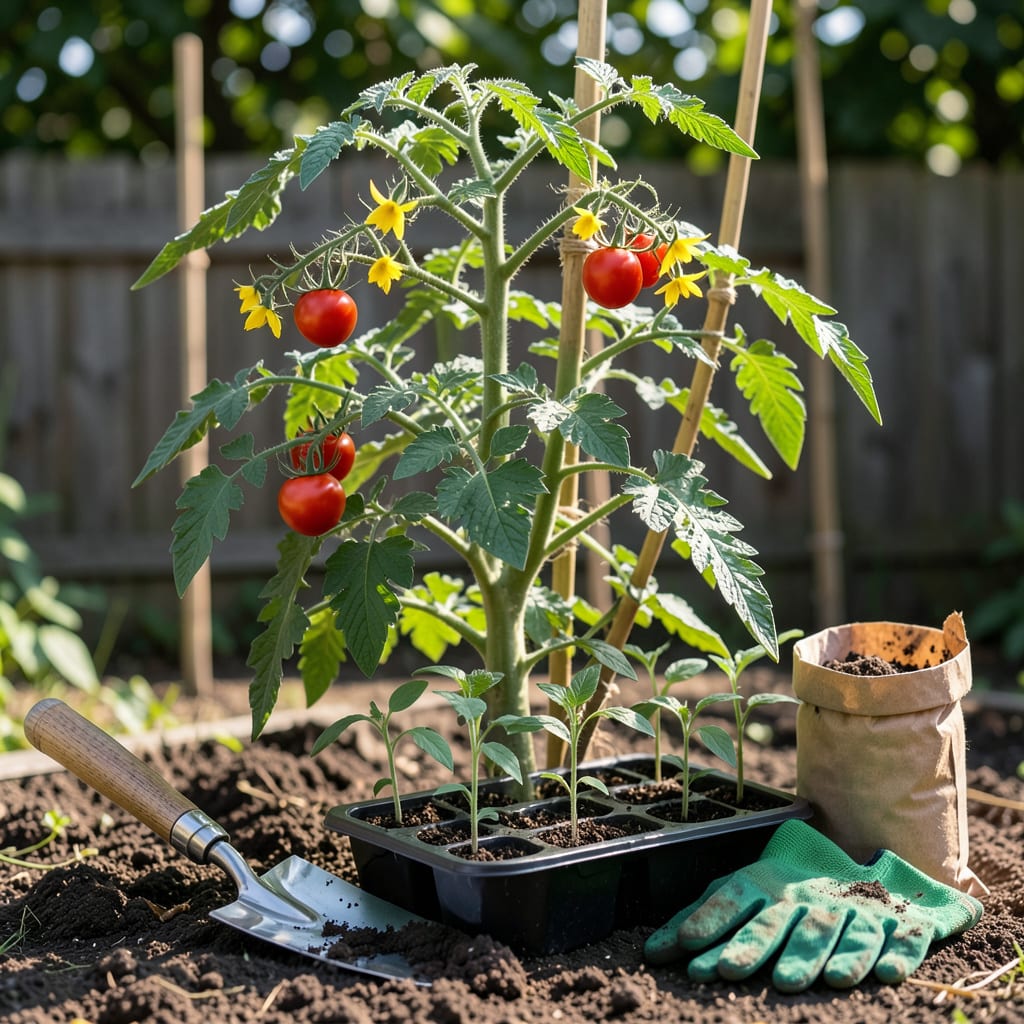
Portland’s damp springs and mild summers create a unique challenge for growing those perfect, sun-ripened tomatoes. Plant too early, and a late frost could wipe out your seedlings—wait too long, and you’ll miss the window for a bountiful harvest.
After years of testing (and a few failed crops), I’ve cracked the code for Zone 8b success. Whether you’re in the urban core or the cooler outskirts, I’ll show you the exact timeline to start seeds indoors, transplant outdoors, and even sneak in a fall crop. Let’s get it right this season.
If you’ve ever watched your tomato plants struggle through Portland’s damp springs or fail to ripen before fall rains hit, you know timing is everything in our Zone 8b climate. Unlike sunnier regions, our maritime weather demands a precision approach—start seeds too early, and leggy seedlings suffer; transplant too late, and you’ll harvest green fruit in October. 🌱
Portland’s last frost date typically falls between March 28–April 15, but soil temps lag behind air temps. I’ve learned the hard way that 50°F soil is the magic number for germination, while transplants need 55°F+ to thrive. Urban gardeners in SE Portland might plant a week earlier than folks in cooler areas like Sauvie Island. ☀️
| Stage | Action | Dates for Zone 8b | Notes |
|---|---|---|---|
| Indoor Seeding | Start seeds indoors | March 1–15 | Use heat mats if soil is <70°F |
| Hardening Off | Acclimate seedlings outdoors | April 10–20 | Start with 2 hours/day, increase gradually |
| Transplanting | Move to garden | April 25–May 10 | Soil must be >55°F at 4″ depth |
| Direct Sowing | Sow seeds outdoors | May 1–15 | Only for fast-maturing varieties |
| First Harvest | Pick early varieties | July 1–15 | ‘Oregon Spring’ or ‘Stupice’ first |
| Peak Harvest | Main crop ready | August 1–September 15 | Watch for blossom end rot in dry spells |
Source: Adapted from OSU Extension guidelines for Willamette Valley
For early varieties like ‘Oregon Spring’ (58 days) or ‘Stupice’ (60 days), I push the timeline 7–10 days earlier than late-season giants like ‘Brandywine’ (90+ days). Urban heat islands in NE Portland can be 5°F warmer than rural areas, so adjust accordingly. Always use a soil thermometer—don’t guess! 🌡️
Portland’s heavy clay soil is a tomato’s worst enemy. Before planting, I mix in 3–4 inches of compost and a handful of perlite to improve drainage. Raised beds warm up faster—my south-facing beds are often ready 2 weeks earlier than in-ground plots. Test your soil’s workability by squeezing a handful: if it crumbles, it’s ready. 🪴
Here’s a pro tip: Black plastic mulch laid 2–3 weeks before transplanting can warm soil by 3–5°F. I’ve used this trick to safely plant ‘Early Girl’ tomatoes as early as April 20 in protected microclimates. Just remove the plastic once temps consistently hit 60°F to avoid overheating roots. ✂️
Watch the 10-day forecast like a hawk. If nighttime temps dip below 50°F after transplanting, cover seedlings with frost cloth or plastic jugs. Portland’s June gloom can delay ripening, so I side-dress with compost tea every 2 weeks to boost growth during cloudy stretches. 💧
For fall tomatoes, start a second crop of ‘Siletz’ or ‘Legend’ seeds indoors by July 1. Transplant by July 20 to beat the first frost (typically October 15). Use row covers in September to extend the season by 2–3 weeks. I’ve harvested ripe ‘Siletz’ as late as October 30 using this method! 🌿
Remember, Portland’s summer drought (July–August) demands deep watering—1–2 inches per week, delivered at the base to prevent fungal diseases. Drip
I’ve seen even experienced Portland gardeners make costly timing errors with tomatoes—mistakes that turn what should be a bumper crop into a disappointing harvest. Our cool, wet springs and unpredictable summers create a narrow window for success. Let’s tackle the top three blunders I’ve learned to avoid the hard way. 🌱
First up: planting too early because the calendar says it’s “time.” Portland’s air temperature might hit 60°F in March, but our soil often lingers below 50°F—too cold for tomato roots. I ruined a whole tray of ‘Early Girl’ seedlings by rushing them into 48°F soil. Now I wait until my thermometer reads 55°F at 4″ depth before transplanting. ☀️
Impact: These mistakes can reduce yields by 30–50% in our climate.
The second mistake is ignoring variety-specific timelines. Not all tomatoes are created equal in Portland’s short season. I once planted ‘Cherokee Purple’ (80 days) and ‘Siletz’ (52 days) on the same day. The ‘Siletz’ were done by July, while the ‘Cherokee Purple’ fruits stayed green until September’s rains ruined them. Now I stagger planting dates based on days to maturity. 🌿
Here’s how I adjust: Early varieties like ‘Stupice’ or ‘Oregon Spring’ go in April 20–25, while main-season types (‘Celebrity’, ‘Roma’) wait until May 1–5. Late-season giants (‘Brandywine’, ‘Pineapple’) get started indoors by February 15 and transplanted by May 10. This staggered approach ensures continuous harvests from July through September.
The third critical error is underestimating Portland’s summer drought. Our July–August dry spell catches many gardeners off guard. I lost half my crop one year when I assumed our “rainy reputation” meant I could skip consistent watering. Tomato plants need 1–2 inches of water weekly—and our clay soil doesn’t distribute it well. Now I use drip irrigation on a timer and mulch with straw to retain moisture. 💧
To combat this, I’ve adopted a two-part watering strategy: deep soaks 2x weekly (not daily sprinkles) combined with 3–4 inches of mulch. I also plant in raised beds amended with compost to improve water retention. During heat waves, I add shade cloth from 2–5 PM to prevent sunscald on fruits while maintaining soil moisture.
Bonus pro tip: Portland’s microclimates can vary by 2–3 weeks in planting windows. My NE Portland garden runs about 1 week ahead of my friend’s plot in Beaverton, and 2 weeks ahead of gardens in Sauvie Island. Track your local frost dates and soil temps—don’t rely on general Portland guidelines if you’re in the outskirts! ✂️
Not all tomatoes thrive in Portland’s cool springs and mild summers. After testing dozens of varieties, I’ve narrowed it down to the top performers for our Zone 8b climate. The key? Matching days to maturity with our 165-day growing season and choosing disease-resistant types. 🌱
Early-maturing varieties like ‘Oregon Spring’ (58 days) and ‘Stupice’ (60 days) are game-changers here. They ripen before July’s drought and avoid September’s rains. For container gardeners, ‘Tiny Tim’ and ‘Patio’ deliver big flavor in small spaces. ☀️
| Variety | Days to Maturity | Planting Window | Best For |
|---|---|---|---|
| Oregon Spring | 58 days | April 10–20 | Cool springs, containers |
| Stupice | 60 days | April 10–20 | Partial shade tolerance |
| Early Girl | 62 days | April 15–25 | Reliable producer |
| Siletz | 52 days | April 1–15 | Fall crop potential |
| Legend | 68 days | April 20–30 | Late blight resistant |
| Celebrity | 70 days | April 25–May 5 | Disease-resistant |
| Brandywine | 90 days | May 1–10 | Heirloom flavor (needs heat) |
Source: Portland Nursery & OSU Extension trials
For determinate varieties like ‘Celebrity’ or ‘Roma’, I plant 1 week later than indeterminates. They produce one big flush, so timing is critical. Indeterminates like ‘Stupice’ get earlier starts since they produce continuously. Always check the seed packet for exact days to maturity. 🪴
Portland’s damp springs demand disease-resistant varieties. I prioritize ‘Legend’ and ‘Defiant’ for their late blight resistance. For cherry tomatoes, ‘Sweet Million’ outperforms ‘Sungold’ in our climate—better disease resistance and earlier production. 💧
Here’s my pro tip: Start ‘Oregon Spring’ and ‘Stupice’ indoors by March 1 for April transplanting. For fall crops, sow ‘Siletz’ seeds by July 1 and transplant by July 20. Use row covers in September to extend the season. ✂️
For most of Portland, aim for April 25–May 10 after the last frost date (typically April 15). Use a soil thermometer to confirm temperatures are consistently above 55°F at 4″ depth. Urban areas may warm up 1–2 weeks earlier than rural spots like Sauvie Island.
Yes, but only for fast-maturing varieties like ‘Siletz’ or ‘Oregon Spring’. Direct sow between May 1–15 when soil reaches 60°F+. Indoor starts still give you a 4–6 week head start, which is crucial for larger varieties.
Use frost cloth or plastic jugs to shield plants if nighttime temps drop below 50°F. For wind protection, plant near a south-facing wall or use stakes with burlap. Harden off seedlings gradually—start with 2 hours/day of outdoor exposure and increase over 7–10 days.
Prioritize early-maturing, disease-resistant types like ‘Oregon Spring’ (58 days), ‘Stupice’ (60 days), or ‘Legend’ (68 days). These handle cool temps and resist late blight common in our damp climate. Avoid heat-loving heirlooms unless you’re in a warm microclimate.
Start ‘Siletz’ or ‘Legend’ seeds indoors by July 1 and transplant by July 20. Use row covers in September to extend the season. I’ve harvested ripe tomatoes as late as October 30 using this method.
