
Beautiful Plants For Your Interior
Beautiful Plants For Your Interior
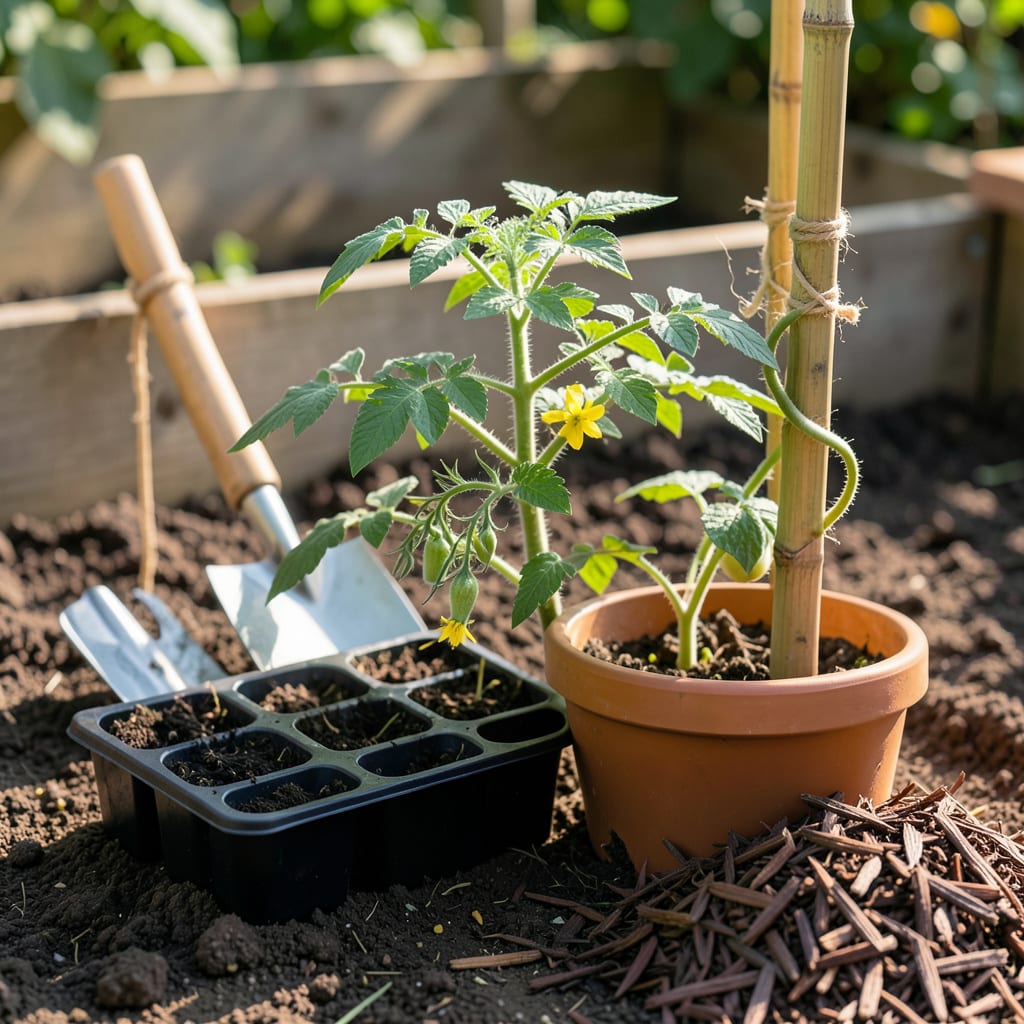
Phoenix gardeners know the struggle: one day it’s perfect planting weather, the next your 🍅 tomatoes are baking in 110°F heat. Timing isn’t just important here—it’s everything.
I’ve tested the ideal windows for Phoenix’s unique climate, and the difference between a thriving harvest and a crispy disappointment comes down to just a few weeks. Let me show you exactly when to plant for juicy, sun-ripened tomatoes—without the guesswork.
Phoenix’s USDA Zone 9b climate is a double-edged sword for tomatoes. While we enjoy 340 frost-free days, the extreme summer heat can fry plants faster than you can say “salsa.” The secret? Two distinct planting windows that dodge the worst of the heat.
I’ve found the sweet spots: late winter for a spring harvest and late summer for a fall bounty. Both avoid Phoenix’s brutal June–September peak, when temps soar above 100°F. Let’s break down the exact timing and why it works.
💡 Pro Tip: Soil temp should be 60–70°F at planting. Use a soil thermometer—don’t guess!
For the spring crop, aim to transplant seedlings by March 15. This gives plants time to establish before temperatures climb. I use shade cloth (30–50%) starting in April to prevent sunscald on developing fruit.
The fall planting is my favorite—it’s like a second chance! Start seeds indoors by July 15 (use grow lights if needed) and transplant by mid-August. The key here is timing: you want plants to mature as temperatures drop below 90°F.
Don’t overlook the winter window. Phoenix’s mild winters allow for a third crop if you use row covers and choose quick-maturing varieties like ‘Early Girl.’ I’ve harvested ripe tomatoes in January using this method!
Microclimates matter in Phoenix. Urban areas (like downtown) stay warmer, so you can plant 1–2 weeks earlier. Suburban gardens might need extra frost protection in winter. Always check your specific area’s last frost date—ours is typically February 15.
Soil prep is critical. Before planting, I amend my beds with compost and worm castings to improve water retention. Phoenix’s native soil drains too fast, which stresses tomato plants during our dry spells.
Watering strategy changes with the seasons. In spring, I water every 3 days; by summer, it’s daily deep soaks before 8 AM. Drip irrigation is a game-changer here—it keeps water off leaves, reducing fungal risks in our humid monsoon season.
Watch for blossom drop when nights stay above 75°F or days exceed 90°F. If this happens, don’t panic! Shift to heat-tolerant varieties like ‘Solar Fire’ or ‘Heatmaster,’ and provide afternoon shade. I’ve saved many plants this way.
Remember: Phoenix gardening is about working with the climate, not against it. The two-season approach lets you enjoy homegrown tomatoes nearly year-round—without battling the worst of the desert heat. 🌱
Even experienced gardeners in Phoenix can sabotage their tomato crops without realizing it. Our desert climate demands special attention to details that might not matter elsewhere. I’ve seen these five mistakes ruin entire harvests—let’s fix them before they wreck your plants.
The biggest error? Ignoring soil temperature. Phoenix gardeners often plant by calendar dates instead of checking if the soil has reached 60–70°F. A soil thermometer costs $10 and saves hundreds in wasted plants. Trust me, I learned this the hard way! 🌡️
Overwatering during monsoons is another silent killer. Our July–August humidity tricks gardeners into thinking plants need extra water. I cut my watering by 30% during monsoon season—tomatoes hate soggy roots more than they hate heat!
Choosing the wrong tomato varieties dooms your harvest before you even plant. ‘Beefsteak’ tomatoes might thrive in Ohio, but in Phoenix? They’ll wilt by June. Stick with heat-tolerant champions like ‘Solar Fire,’ ‘Heatmaster,’ or ‘Celebrity’—I’ve had these produce until October.
Many gardeners forget that Phoenix has microclimates. A downtown patio might be 5°F warmer than a North Phoenix yard. I use a mini weather station to track my garden’s exact conditions—it’s revealed I can plant 2 weeks earlier than the general Phoenix guidelines!
Skipping shade structures is asking for trouble. By May, even heat-tolerant varieties need afternoon shade. I use 50% shade cloth from 2–6 PM during summer. Without it, my tomatoes develop blossom end rot from heat stress within days.
The final mistake? Neglecting soil prep. Phoenix’s native soil is like planting in sand. Before transplanting, I mix in 3 inches of compost and 1 cup of worm castings per plant. This boosts water retention and nutrients—critical when temps hit 105°F.
Remember: Phoenix gardening rewards those who adapt. Avoid these pitfalls, and you’ll be harvesting juicy tomatoes while others wonder why theirs fried on the vine. Your best tool? A gardening journal to track what works in your specific microclimate. 🌿
Not all tomatoes can handle Phoenix’s 100°F+ summers. After testing dozens of varieties, I’ve found the heat-tolerant champions that thrive where others wilt. These aren’t just survivors—they produce juicy, flavorful fruit when others give up.
The secret? Look for varieties bred for high-temperature resilience. ‘Solar Fire’ and ‘Heatmaster’ keep setting fruit when thermometers hit 105°F, while ‘Celebrity’ offers a perfect balance of heat tolerance and classic tomato flavor. Let me show you the top performers for our desert climate.
💡 Pro Tip: For best results, pair these varieties with drip irrigation and afternoon shade during peak summer months.
‘Solar Fire’ is my top pick for summer planting. It laughs at 110°F days and keeps producing when other varieties stop flowering. I’ve harvested ripe tomatoes from these plants in July—unheard of with most varieties!
For fall gardens, ‘Heatmaster’ can’t be beat. Its thick foliage protects fruit from sunscald, and it maintains production as nights cool. I’ve had plants loaded with tomatoes well into November using this variety.
Container gardeners should try ‘Celebrity.’ Its compact size and disease resistance make it perfect for patios. I grow these in 5-gallon buckets with a trellis—they outproduce many in-ground plants!
Don’t overlook ‘Phoenix’ tomatoes—they’re bred specifically for our climate. While not as sweet as others, their drought tolerance is unmatched. I use these in my low-water garden beds with great success.
For a quick winter crop, ‘Early Girl’ is your best bet. With just 50 days to maturity, you can plant in October and harvest by Christmas. I’ve gifted these as holiday presents—fresh tomatoes in December always impress! 🌱
Both seasons work, but fall planting often yields better results. The extreme summer heat (100°F+) stresses spring-planted tomatoes, while fall plants mature during milder temperatures. For beginners, I recommend starting with a fall crop (plant August 15–September 15).
Use 50% shade cloth from 2–6 PM and maintain consistent soil moisture. Drip irrigation works best—water deeply before 8 AM to prevent evaporation. Mulch with straw to keep roots cool. These steps can lower soil temps by 10°F or more.
Yes, with some adjustments! Use row covers for winter protection and quick-maturing varieties like ‘Early Girl.’ I’ve harvested tomatoes in January using this method. Just avoid planting during peak summer (June–July) when temps exceed 105°F.
For fall planting, start seeds indoors by July 15 under grow lights. Use seed-starting mix and keep soil at 70–80°F. Transplant outdoors when seedlings have 3–4 true leaves, typically by mid-August. This timing avoids monsoon humidity issues.
This is called blossom drop, common when nights stay above 75°F or days exceed 90°F. Try heat-tolerant varieties like ‘Solar Fire’ or ‘Heatmaster,’ and provide afternoon shade. Hand-pollinating flowers with a small brush can also improve fruit set.
