
Beautiful Plants For Your Interior
Beautiful Plants For Your Interior
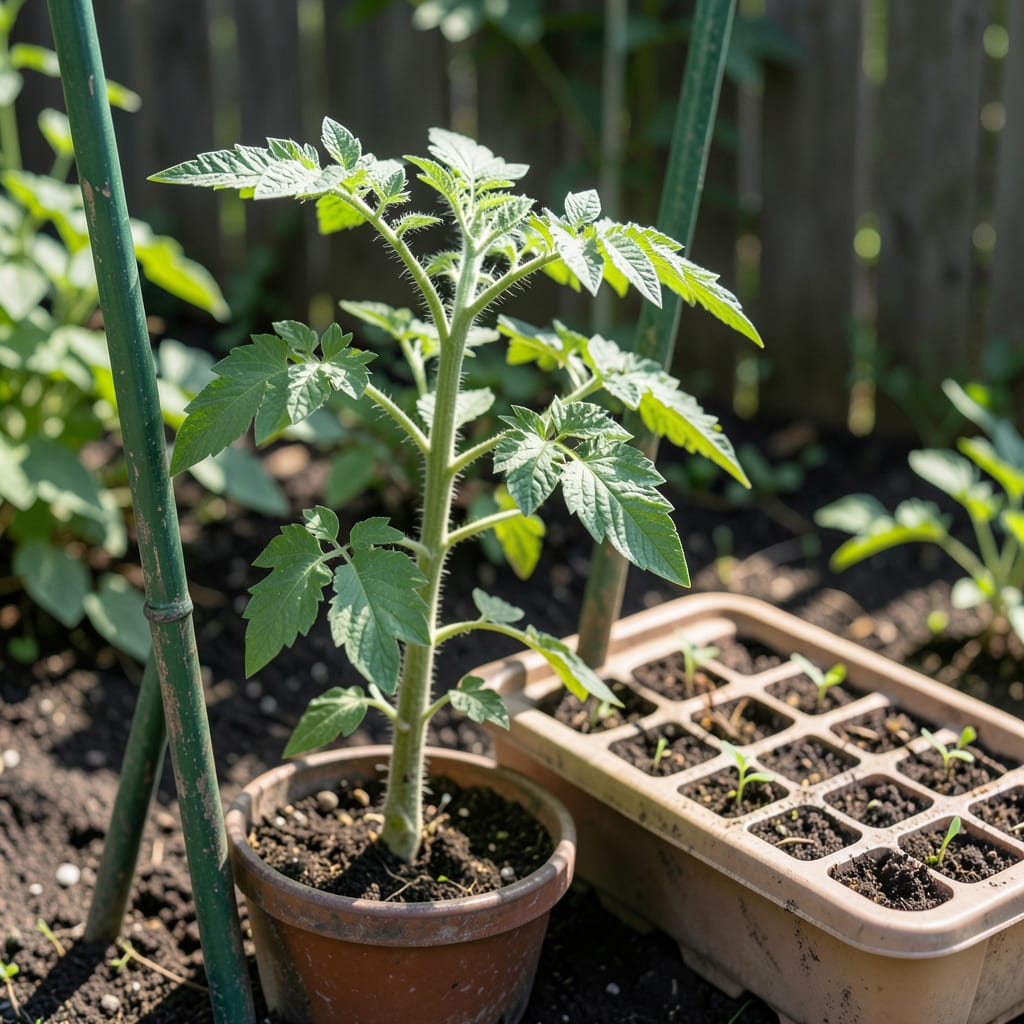
Growing Tomatoes 🍅 in Oregon can be challenging due to the state’s unpredictable climate. Understanding the ideal planting time is crucial for a successful harvest.
In Oregon’s USDA Zone 8b, the best time to plant Tomatoes is in late spring to early summer, when the soil has warmed up and the risk of frost has passed. I’ll guide you through the process.
Oregon’s diverse climate means that the ideal tomato planting time varies significantly across different regions. Understanding these regional differences is crucial for successful tomato cultivation.
The state’s geography creates distinct microclimates that affect temperature patterns and frost dates. I’ll break down the key factors to consider when determining the best planting time for tomatoes in various Oregon regions.
The coastal regions of Oregon have a cooler climate, with later last frost dates. Planting tomatoes in late May or early June is typically recommended for these areas.
In the Willamette Valley, which is one of the most productive agricultural regions in Oregon, the ideal time to plant tomatoes is usually in late April to early May. The valley’s climate is generally milder than the coastal regions, allowing for earlier planting.
Eastern Oregon experiences a continental climate with colder winters and warmer summers. The ideal planting time here is typically early to mid-May, after the last frost date.
When planning to plant tomatoes, it’s essential to consider the last frost date for your specific area. In most of Oregon, the last frost date ranges from late April to early May. You can use this date as a guideline to determine when to start planting tomatoes outdoors.
Microclimates within regions can also impact the ideal planting time. For example, areas near large bodies of water or at higher elevations may have different frost dates and temperature patterns than surrounding areas.
To ensure the best possible start for your tomato plants, it’s crucial to prepare the soil in advance. This includes testing soil pH, adding organic matter, and ensuring good drainage.
By understanding the regional variations in climate and frost dates, Oregon gardeners can optimize their tomato planting schedule for a bountiful harvest.
For more specific information on preparing soil and choosing tomato varieties suitable for Oregon’s climate, continue reading the next section.
Successful tomato cultivation in Oregon requires careful planning and attention to regional climate variations. By following these guidelines, gardeners can enjoy a productive tomato harvest throughout the growing season.
Successful tomato cultivation in Oregon requires careful soil preparation and variety selection. I’ll guide you through the essential steps to create an optimal growing environment for your tomato plants.
Soil preparation is critical for healthy tomato growth. Start by testing your soil pH and adjusting it if necessary. Tomatoes prefer a slightly acidic to neutral soil pH between 6.0 and 7.0.
When choosing tomato varieties for Oregon’s climate, consider factors like maturity days and disease resistance. Look for varieties that mature within 60 to 90 days and have resistance to common Oregon tomato diseases.
Oregon’s cool and wet climate can lead to diseases like late blight and septoria leaf spot. Choosing disease-resistant varieties can help mitigate these risks.
Some popular tomato varieties for the Pacific Northwest include ‘Early Girl‘, ‘Oregon Spring’, and ‘Legend’. These varieties are known for their early maturity and disease resistance.
By preparing your soil properly and selecting the right tomato varieties, you’ll be well on your way to a successful tomato harvest in Oregon. 🌼
For more information on additional tips for successful tomato planting in Oregon, including frost protection methods and watering strategies, continue reading the next section.
To ensure a successful tomato harvest in Oregon, it’s essential to go beyond just knowing when to plant. I’ll share some additional tips to help you navigate the challenges of growing tomatoes in the state’s unique climate.
Oregon’s unpredictable spring weather can bring unexpected frosts. Use row covers or frost blankets to protect young tomato plants from damage.
When it comes to watering strategies, tomatoes need consistent moisture, especially when fruiting. Water deeply once or twice a week, depending on weather conditions. Avoid overhead watering to prevent fungal diseases that thrive in Oregon’s cool, wet climate.
Common mistakes to avoid when growing tomatoes in Oregon include planting too early, not providing adequate support for indeterminate varieties, and failing to monitor for diseases. By being aware of these potential pitfalls, you can take steps to mitigate them and ensure a healthy, productive crop.
By following these additional tips, you’ll be better equipped to handle the challenges of growing tomatoes in Oregon’s climate. With careful planning and attention to detail, you can enjoy a bountiful harvest of delicious, homegrown tomatoes.
For more information on growing tomatoes in Oregon, including tips on pest management and harvest timing, be sure to check out our other resources.
The ideal soil temperature for planting tomatoes is between 55°F and 60°F. You can check soil temperature using a soil thermometer, typically available at gardening stores. This temperature range ensures optimal root growth and helps prevent shock to the plants.
In Oregon, tomatoes typically take 60 to 90 days to mature after planting. The exact time depends on the variety and weather conditions. Look for varieties with disease resistance and suitable maturity days for the best results.
Yes, you can start tomato seeds indoors 6-8 weeks before the last frost date. This head start allows seedlings to develop before being transplanted outside when the weather warms up. Use seed starting mix and keep the soil warm until germination.
Tomatoes need consistent moisture, especially when fruiting. Water deeply once or twice a week, depending on weather conditions. Avoid overhead watering to prevent fungal diseases that thrive in Oregon’s cool, wet climate.
