
Beautiful Plants For Your Interior
Beautiful Plants For Your Interior
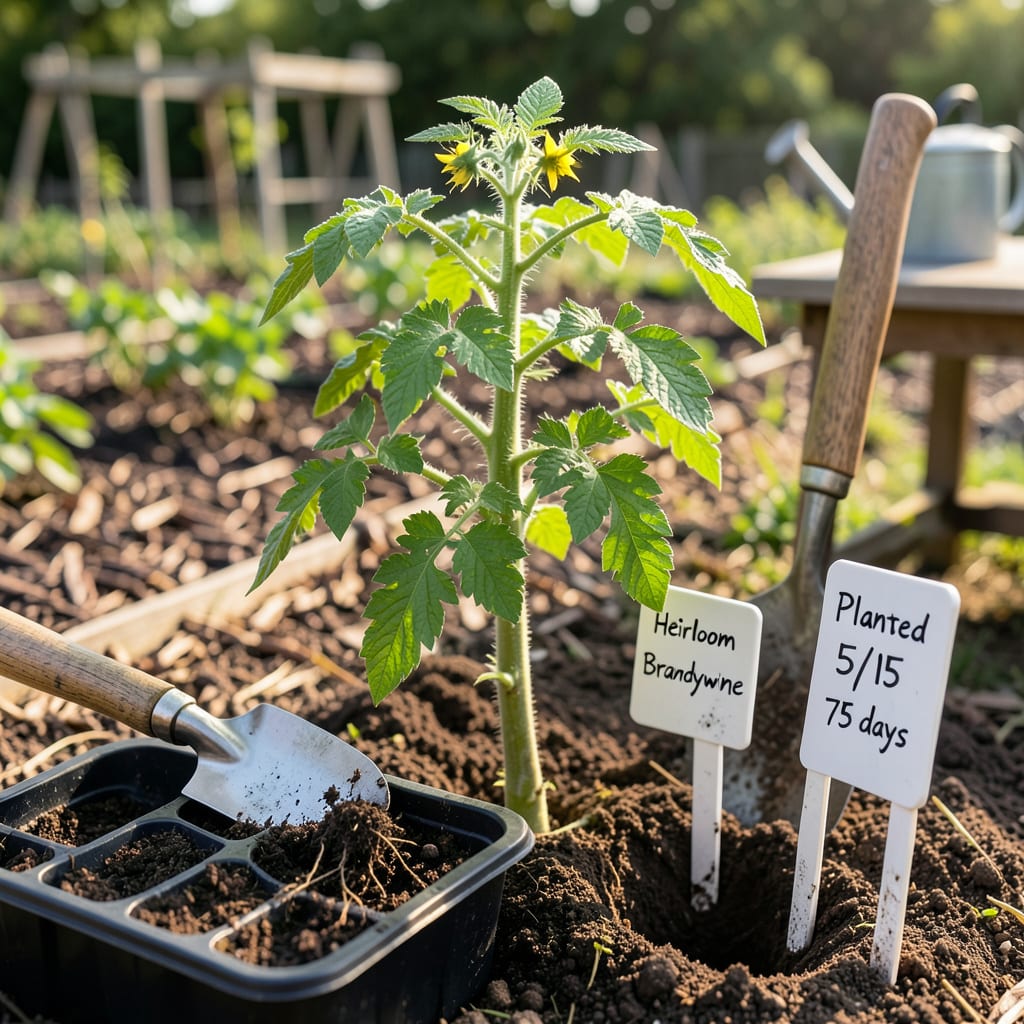
If you’ve ever watched your tomato plants wilt in the Texas heat or struggle through an unexpected cold snap, you know timing isn’t just important—it’s everything. Our North Texas climate throws curveballs, from late frosts to scorching summers, making that perfect planting window feel like a moving target.
After years of testing (and a few failed harvests), I’ve nailed down the exact spring and fall windows that give 🍅 tomatoes their best shot. Whether you’re in Dallas or Fort Worth, I’ll show you how to work with Zone 8a’s quirks—not against them—for juicier, more resilient plants.
If you’ve ever wondered why your tomato plants struggle in North Texas, timing is likely the culprit. Our USDA Zone 8a climate gives us two prime planting windows: early spring and late summer. Get these right, and you’ll avoid frost damage and heat stress.
I’ve found that soil temperature is the secret weapon—tomatoes need 60°F+ soil to thrive. In North Texas, that typically means planting after March 15 for spring and by late August for fall. But let’s break it down further.
| Planting Window | Dates | Key Considerations |
|---|---|---|
| Early Spring | March 15–April 1 | Aim for 2 weeks after last frost; use row covers if needed. |
| Late Summer | August 15–September 1 | Plant 10–12 weeks before first frost for fall harvest. |
| Soil Temp | 60°F+ | Use a soil thermometer—don’t guess! |
| Sunlight | 6–8+ hours | Afternoon shade helps in peak summer heat. |
For spring planting, I always wait until after St. Patrick’s Day (March 17). This gives the soil extra time to warm up, especially in Dallas and Fort Worth where microclimates vary. If you’re eager, start seeds indoors 6–8 weeks earlier.
The fall window is often overlooked, but it’s a game-changer. Plant by August 20 to ensure tomatoes mature before November’s first frost. Varieties like ‘Heatmaster’ or ‘Solar Fire’ handle late-season heat beautifully.
North Texas clay soil can be tricky. Before planting, I mix in 3–4 inches of compost and perlite to improve drainage. This prevents blossom end rot, a common issue when roots struggle in compacted soil.
Watering is critical—especially in our hot, dry summers. Aim for 1–2 inches per week, but adjust during heatwaves. Drip irrigation is my go-to; it keeps leaves dry and reduces fungal risks like early blight.
Don’t forget mulch! A 2–3 inch layer of straw or shredded leaves retains moisture and regulates soil temperature. This is non-negotiable in North Texas, where 100°F+ days can bake unprotected roots.
If you’re in urban areas like Plano or Arlington, watch for “heat islands”—buildings and pavement can raise temps by 5–10°F. In these spots, I recommend container gardening with light-colored pots to reflect heat.
Finally, keep an eye on the 10-day forecast before planting. If a cold snap or heat dome is predicted, delay planting or use shade cloth and frost blankets to protect young plants.
By nailing these windows and prep steps, you’ll set your tomatoes up for success—whether you’re aiming for July’s first BLTs or October’s harvest festivals. Happy planting! 🌱
North Texas summers are brutal, but the right tomato varieties can handle the heat like champs. After testing dozens over the years, I’ve narrowed it down to five that consistently outperform in our Zone 8a climate. These aren’t just survivors—they’re flavor-packed producers.
The key? Look for varieties bred for heat tolerance and disease resistance. Our 100°F+ days and humid nights create perfect conditions for fungal diseases like early blight. The varieties below fight back while still delivering juicy, sweet tomatoes.
For spring planting, I lean toward ‘Celebrity’ and ‘Tycoon’—they establish quickly and handle our unpredictable spring storms. If you’re planting in fall, ‘Heatmaster’ and ‘Solar Fire’ are my top picks because they keep producing as temps drop.
‘Arkansas Traveler’ is my wild card—it’s an heirloom with that old-school tomato taste, but it needs a bit more TLC. If you’re willing to babysit your plants (regular pruning, consistent water), the flavor payoff is worth it. For low-maintenance gardeners, stick with hybrids like ‘Celebrity’.
No matter which variety you choose, mulching is non-negotiable. I use straw or shredded leaves to keep roots cool. In containers, opt for ‘Celebrity’ or ‘Patio Princess’ (a bonus pick!)—they stay compact but still pump out tomatoes.
Pro tip: If you’re growing indeterminate varieties (like ‘Heatmaster’), invest in tall cages or trellises. Our summer winds can topple flimsy supports, and you don’t want your hard work sprawling on the ground. For determinate varieties (like ‘Celebrity’), a 5-foot cage is plenty.
Finally, don’t overlook pollination in extreme heat. Tomatoes struggle to set fruit when temps exceed 90°F at night. I gently shake my plants mid-morning to help pollen move, or use a small paintbrush for precision. It sounds silly, but it boosts yields!
With these varieties and a little extra care, you’ll be harvesting juicy, homegrown tomatoes while your neighbors wonder why theirs fried in the heat. 🌿
Even with perfect timing, North Texas tomatoes can fail if you fall into common traps. I’ve seen gardeners lose entire crops to overwatering, poor soil prep, or ignoring microclimates. Let’s fix that before you plant your next seedling.
The biggest mistake? Planting too early in spring. Our last frost date (around March 15) is a guideline, not a guarantee. I’ve lost plants to late freezes in early April—always check the 10-day forecast before transplanting.
Another critical error: underestimating our clay soil. Without amending, it compacts and suffocates roots. I mix in 3–4 inches of compost plus perlite or expanded shale to improve drainage. Skip this, and you’ll battle blossom end rot all season.
Watering mistakes wreck more tomatoes than pests do. In summer heat, many overcompensate with daily watering, which leaches nutrients and invites disease. Instead, water deeply 2–3x/week (early morning only) and mulch heavily to retain moisture.
Don’t overlook container gardening in urban areas like Dallas or Fort Worth. Our “heat islands” can push temps 10°F higher than surrounding areas. If you’re planting in pots, choose ‘Patio’ or ‘Bush’ varieties and use light-colored containers to reflect heat.
Finally, staking too late is a rookie move. Indeterminate tomatoes grow an inch a day in peak season. Install 6-foot cages or trellises at planting—trying to add them later risks snapping stems. For determinate varieties, 5-foot cages work, but check labels!
By dodging these mistakes, you’ll grow healthier, more productive tomatoes—even in North Texas’ toughest conditions. Your future self (and your BLT sandwiches) will thank you! 🌿
Planting before March 15 risks frost damage, even in Zone 8a. Our last frost date is unpredictable—late freezes in early April can kill young plants. Always check the 10-day forecast before transplanting.
Use 5-gallon+ containers with drainage holes and light-colored pots to reflect heat. Urban “heat islands” can push temps 10°F higher, so opt for ‘Patio’ or ‘Bush’ varieties like ‘Celebrity’.
Tomatoes need 60°F+ soil to thrive. Use a soil thermometer at 4-inch depth—don’t guess! In North Texas, this typically happens after St. Patrick’s Day (March 17).
Inconsistent watering is the usual culprit. Our clay soil holds moisture unevenly, causing fruit to expand too quickly. Water deeply 2–3x/week (early morning) and mulch with 2–3 inches of straw to stabilize moisture.
Yes! Plant by August 20 for a second harvest before November’s first frost. Varieties like ‘Heatmaster’ thrive in late-season warmth. Many gardeners miss this window, but it’s a game-changer for extending your tomato season.
