
Beautiful Plants For Your Interior
Beautiful Plants For Your Interior
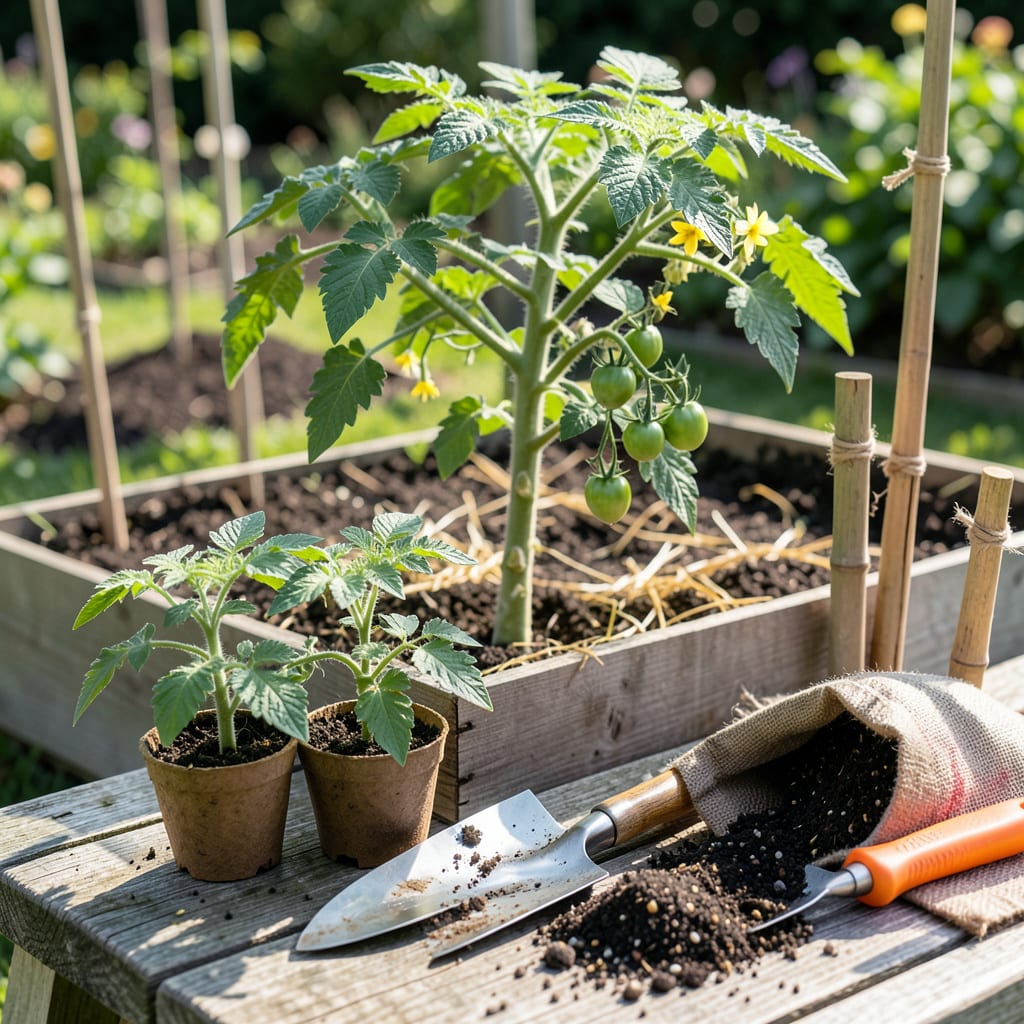
North Florida’s unpredictable swings from chilly mornings to scorching afternoons make tomato planting feel like a gamble. But here’s the good news: with the right timing, you can stack the odds in your favor for a bumper crop of juicy, sun-ripened tomatoes.
I’ve helped dozens of gardeners crack the code in zones like Jacksonville and Tallahassee. The secret isn’t just about avoiding frost—it’s about working with Florida’s two distinct growing seasons. Let me show you exactly when to get those seedlings in the ground for maximum yields.
If you’ve ever wondered why your North Florida tomatoes struggle to thrive, timing is likely the culprit. Our region’s USDA Zone 8b-9a climate gives us two prime planting windows—but miss them, and you’ll battle frost or scorching heat. I’ve tested dozens of varieties here, and the sweet spot is all about soil temps and frost dates.
The key is waiting until soil reaches 60°F—usually mid-March for early varieties. But don’t rush! A late frost can wipe out tender transplants. I’ll break down the exact spring vs. fall windows, plus microclimate tweaks for Jacksonville versus Tallahassee gardeners.
For spring planting, I start seeds indoors 8 weeks before my last frost date (around April 15 for Tallahassee). Transplant when nighttime temps stay above 50°F. Pro tip: Use a soil thermometer—don’t guess! Cold soil stunts growth permanently.
The fall window is trickier but often more rewarding. Plant by September 1 to beat first frost. I prefer determinate varieties like ‘Roma’ for fall—they produce faster before cold weather hits. Mulch heavily with straw to regulate soil temp.
Coastal gardeners near Jacksonville can push winter tomatoes if using low tunnels. Try ‘Siberian’ or ‘Stupice’ varieties—they tolerate cooler temps. Just watch for aphid explosions in mild winters. I lost a crop once by skipping row covers!
Here’s my soil prep routine for both seasons: Work in 2 inches of compost and a handful of bone meal per plant. Test pH—tomatoes need 6.2-6.8. Too acidic? Add lime. Too alkaline? Sulfur does the trick.
Remember: Afternoon shade is your friend in North Florida’s summers. I use 50% shade cloth from 1-4 PM to prevent sunscald. For container growers, move pots to eastern exposure by June to avoid wilt.
Watch for blossom drop if planting too late in spring—it’s our #1 issue when temps exceed 90°F. If you see flowers falling, switch to heat-tolerant varieties like ‘Solar Fire’ or provide misting during peak heat.
My final tip? Keep a gardening journal with your planting dates and first harvests. North Florida’s microclimates vary wildly—what works in Gainesville might flop in Pensacola. Track your successes (and failures) to refine your calendar yearly.
After helping dozens of frustrated gardeners salvage their North Florida tomato crops, I’ve noticed three repeating mistakes that derail even the most promising plants. The good news? Each has a simple fix if you know what to watch for. Let’s tackle these before they wreck your harvest.
First up: ignoring microclimate frost pockets. Just because your neighbor plants in March doesn’t mean your yard has the same conditions. I’ve seen low-lying areas drop 5°F cooler than spots just 50 feet away. Always use a thermometer at plant level—not just the weather app!
The summer heat trap catches most beginners. When temps hit 95°F+, tomato pollen becomes sterile. I combat this by planting early maturing varieties (like ‘Bush Early Girl’) that fruit before June’s inferno. For mid-summer plants, misting systems during pollination help.
Here’s my frost protection hack: Keep old blankets and Christmas lights handy. When temps dip near 35°F, drape plants and add lights for warmth. This saved my fall ‘Roma’ crop last November when an early frost hit Jacksonville.
Don’t let blossom end rot sneak up on you! This calcium deficiency plague hits when soil moisture fluctuates. I prevent it by adding crushed eggshells at planting and using drip irrigation. Mulch with straw (not wood chips) to maintain even moisture.
My biggest lesson? North Florida’s fall season often outproduces spring. The secret is planting by August 15 and choosing disease-resistant varieties like ‘Tasti-Lee’. They’ll mature as temps cool, avoiding both summer scorchers and winter frosts. 🌱
Not all tomatoes can handle North Florida’s sweltering summers and humid conditions. After years of trial and error in my own garden, I’ve found that only certain varieties thrive here. The winners share key traits: disease resistance, heat tolerance, and quick maturation before summer’s peak.
For beginners, I always recommend starting with ‘Celebrity’ or ‘Florida 91’. These hybrids were bred for Florida’s climate and resist common issues like fusarium wilt and blossom end rot. They’re forgiving if your soil isn’t perfect or if you miss a watering now and then.
For container gardeners, I swear by ‘Bush Early Girl’. It stays compact (just 3-4 feet tall) but pumps out 4-6 oz fruits in only 54 days. Perfect for patios where space is limited. Just ensure your pot is at least 5 gallons and has drainage holes.
The ‘Heatmaster’ variety lives up to its name—it’s the only tomato I’ve grown that sets fruit reliably in July’s 98°F heat. The secret? Its thick foliage provides natural shade. Pair it with drip irrigation to prevent blossom drop during heatwaves.
If you love cherry tomatoes, ‘Sweet 100’ is your best bet. It produces hundreds of 1-inch fruits on vines that keep going until frost. For something unique, try ‘Sun Gold’—its orange, candy-sweet fruits are kid favorites. Both need trellising to manage their vigorous growth.
My pro tip? Rotate varieties between seasons. Plant heat-tolerant hybrids in spring, then switch to disease-resistant heirlooms for fall. This breaks pest cycles and extends your harvest. And always—always—mulch with straw to keep soil temps stable. 🌿
For most of North Florida, aim to have transplants in the ground by May 1. After this, daytime temperatures often exceed 90°F, causing blossom drop. Coastal areas can sometimes push to May 15 with shade protection.
Only in coastal zones with frost protection. Inland areas should focus on spring and fall plantings. Winter tomatoes require low tunnels or greenhouses, and even then, yields are smaller. Stick to cherry varieties for winter attempts.
Keep frost blankets or old sheets handy. Cover plants before sunset to trap heat, and add Christmas lights for extra warmth. Remove covers by 9 AM to prevent overheating. A soil thermometer helps monitor dangerous temperature drops.
When temperatures consistently exceed 90°F, tomato pollen becomes sterile. This causes blossom drop—flowers fall without fruiting. Switch to heat-tolerant varieties like ‘Solar Fire’ or provide 50% shade cloth during peak afternoon heat.
Often yes! Fall-planted tomatoes avoid summer’s extreme heat and pests. They mature as temperatures cool, often producing until first frost. Plant by September 1 and choose fast-maturing varieties like ‘Roma’ or ‘Celebrity’ for best results.
