
Beautiful Plants For Your Interior
Beautiful Plants For Your Interior
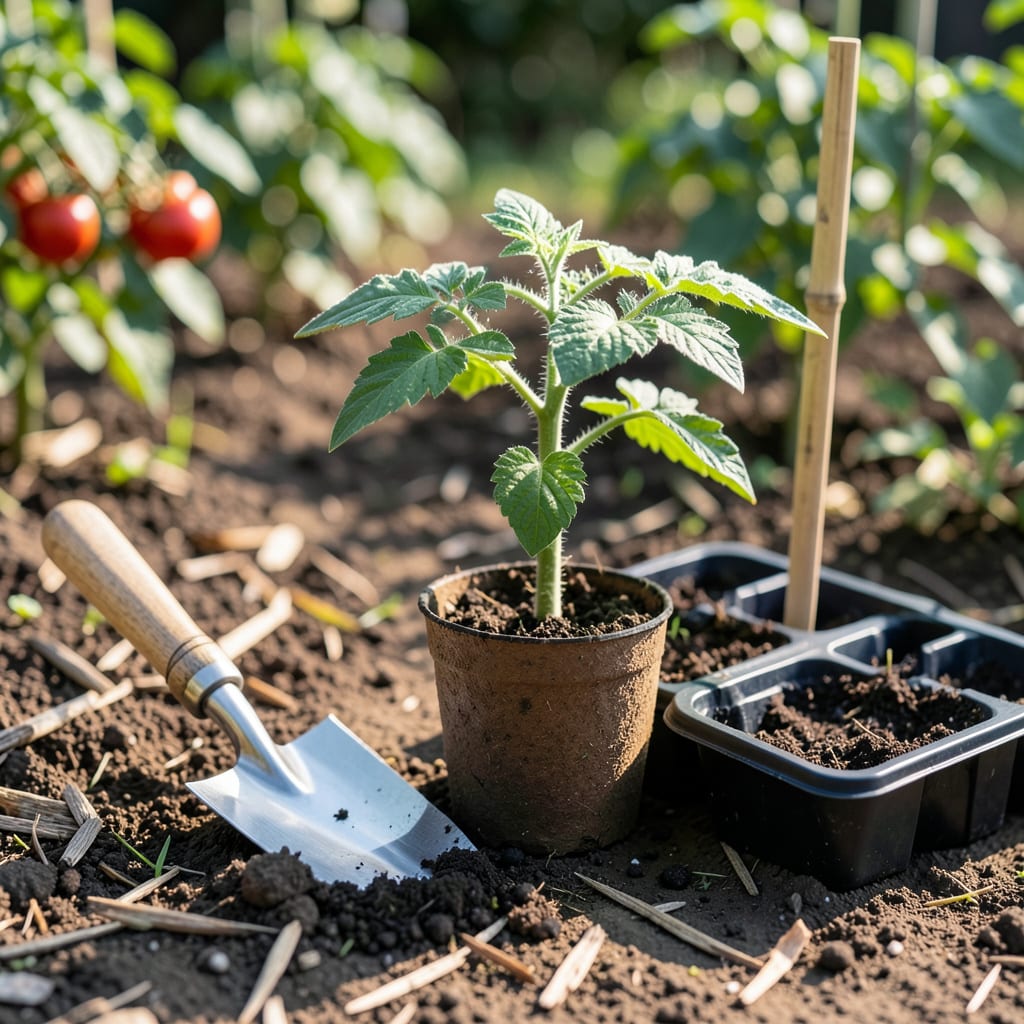
Ever planted tomatoes only to watch them struggle—or worse, fail? In New Jersey, timing isn’t just important—it’s everything. One wrong move, and frost or heat can wipe out your harvest before it even begins.
I’ve seen gardeners lose weeks of growth by jumping the gun in early spring. But here’s the good news: With the right schedule, you can grow juicy, vibrant 🍅 tomatoes all season long. Let’s break down the exact windows for starting seeds and transplanting—so you never gamble with your garden again.
New Jersey’s USDA Zones 6b–7a mean your tomato timing depends on where you live. In South NJ, you can plant earlier than up north—sometimes by 2–3 weeks. The key? Soil temperature must hit 60°F before transplanting outdoors.
I always check the last frost date for my area. Coastal regions near Cape May might see their last frost in early April, while Sussex County gardeners often wait until mid-May. Don’t guess—use a soil thermometer!
| Region | Start Seeds Indoors | Transplant Outdoors | Notes |
|---|---|---|---|
| South NJ (Zones 7a–7b) | Late February–March | Mid-April–Early May | Earliest planting; watch for late frosts near Atlantic City. |
| Central NJ (Zone 6b–7a) | Early–Mid March | Late April–Mid-May | Includes Trenton and New Brunswick areas. |
| North NJ (Zone 6a–6b) | Mid–Late March | Early–Mid May | Highest frost risk; Paterson and Morristown often see late frosts. |
| Coastal Areas | Early March | Mid-April | Milder winters but sandy soil dries faster—amend with compost. |
For early-maturing varieties like ‘Early Girl’, you can push transplanting 1–2 weeks earlier than heirlooms. These tomatoes tolerate cooler soil better and often produce fruit in just 50–60 days.
If you’re starting from seeds indoors, use a heat mat to maintain 70–80°F soil temps. I’ve found that 6–8 weeks before transplanting is ideal—any longer and seedlings get leggy. Thin to the strongest plant per cell!
Direct sowing tomatoes in NJ? Not recommended. Our short season rarely gives seeds enough time to mature. If you try, wait until soil hits 70°F—usually late May—and choose fast-growing varieties like ‘Tiny Tim’.
Microclimates matter! Urban areas (like Newark or Jersey City) often run 5–10°F warmer than rural spots. Use black plastic mulch to warm soil faster, or row covers to protect from unexpected late frosts.
Don’t forget soil prep. NJ’s clay-heavy soils need amending with compost or aged manure before planting. I mix in a 2-inch layer of organic matter and test pH—tomatoes thrive at 6.0–6.8.
Companion planting boosts success too. Plant basil nearby to repel pests, or marigolds to deter nematodes. Avoid planting tomatoes near brassicas (like cabbage) or fennel—they stunt growth.
For the most accurate dates, check Rutgers Cooperative Extension or use a frost date calculator. I bookmark their NJ Agricultural Experiment Station page—it’s a goldmine for local gardeners. 🌱
Even experienced gardeners can sabotage their tomato harvest with simple oversights. In New Jersey, where soil types and microclimates vary dramatically, these mistakes can be costly. I’ve seen entire crops lost to preventable errors—let’s make sure yours isn’t one of them.
One of the biggest blunders? Ignoring soil temperature. Many rush to plant when air temps rise, but tomatoes need 60°F+ soil to thrive. A cheap soil thermometer can save your season. Trust me, I learned this the hard way after losing seedlings to a late cold snap. 🌡️
Transplanting before soil hits 60°F stunts growth. NJ’s northern zones often stay too cold until mid-May. Use black plastic mulch to warm soil faster if you’re eager.
NJ’s clay-heavy soils suffocate roots. Mix in 3–4 inches of compost and aged manure before planting. I add perlite for drainage in my Central NJ garden.
Coastal areas stay cooler, while urban heat islands (like Newark) warm faster. Adjust planting dates by 1–2 weeks based on your specific location’s frost trends.
Tomatoes need 2–3 feet of space between plants. Crowding leads to disease and poor air circulation. I use cages or stakes to maximize space in my small garden.
Even after the last frost date, NJ can get surprise cold snaps. Keep row covers or cloches handy until nights stay above 50°F. I lost a whole bed to a late April frost!
Another common issue? Poor watering practices. Tomatoes need consistent moisture—not soggy soil. I water deeply 2–3 times weekly, using a drip irrigation system to avoid wetting leaves (which invites disease). Mulch with straw to retain moisture.
Don’t overlook variety selection either. Planting a 90-day heirloom in North NJ often means green tomatoes at first frost. Stick to early-maturing varieties like ‘Jet Star’ or ‘Celebrity’ for reliable harvests.
Finally, rotation matters. Never plant tomatoes where peppers, eggplants, or potatoes grew last year. These crops share diseases like blight. I keep a 3-year rotation in my garden to prevent issues. 🪴
For more NJ-specific tips, check the Rutgers Master Gardener program or your local county extension office. They offer free soil tests and planting guides tailored to our state’s quirky climate!
New Jersey’s growing season might feel short, but with the right tricks, you can harvest tomatoes for weeks longer. I’ve stretched my season from early July to late October using simple techniques—no greenhouse required. The key? Working with NJ’s microclimates, not against them.
Start by choosing the right varieties. For early harvests, plant ‘Stupice’ or ‘Glacier’—they mature in just 50–55 days. In coastal areas, these can go in 2–3 weeks earlier than standard varieties. Pair them with black plastic mulch to warm soil faster. 🌱
For late-season tomatoes, focus on ‘Brandywine’ or ‘Cherokee Purple’—they handle cooler nights better. In South NJ, you can plant a second crop in late June for fall harvests. I use shade cloth in August to protect from scorching sun while extending production.
Succession planting works too. Start a new batch of ‘Sungold’ cherry tomatoes in mid-July for October harvests. Pair with drip irrigation to maintain consistent moisture during dry spells. In Central NJ, I’ve harvested until Thanksgiving using this method!
Don’t forget fall care. As nights cool, reduce watering but keep soil moist. Remove lower leaves to improve air circulation and prevent disease. If frost threatens, harvest green tomatoes and ripen indoors with bananas or apples in a paper bag. 🪴
For the most reliable results, track your local microclimate. NJ’s Pine Barrens stay cooler, while urban areas retain heat. Use tools like the NJ Weather Network to monitor soil temps. With these strategies, you’ll be eating homegrown tomatoes long after your neighbors’ plants have wilted!
In South NJ, you can plant until early July for fall harvests. Opt for fast-maturing varieties like ‘Sungold’ or ‘Early Girl’, which produce in 50–60 days. Further north, stick to June 15 as your cutoff to avoid frost risks.
Use row covers or cloches to shield plants when temps drop below 50°F. For extra protection, add a layer of mulch (like straw) around the base. I keep covers handy until mid-May in North NJ—better safe than sorry!
Yes! Coastal areas like Cape May warm up 1–2 weeks earlier than inland. You can transplant as soon as mid-April, but watch for salty winds. Use windbreaks and amend sandy soil with compost for best results.
Choose 5-gallon containers (minimum) and use well-draining potting mix. Dwarf varieties like ‘Patio’ or ‘Tiny Tim’ thrive in pots. Just ensure they get 6–8 hours of sun daily and water consistently.
Use a soil thermometer—tomatoes need 60°F+ at 4-inch depth. Check readings in the morning for 3 consecutive days. If you’re impatient, black plastic mulch can speed up warming by 2–3 weeks.
