
Beautiful Plants For Your Interior
Beautiful Plants For Your Interior
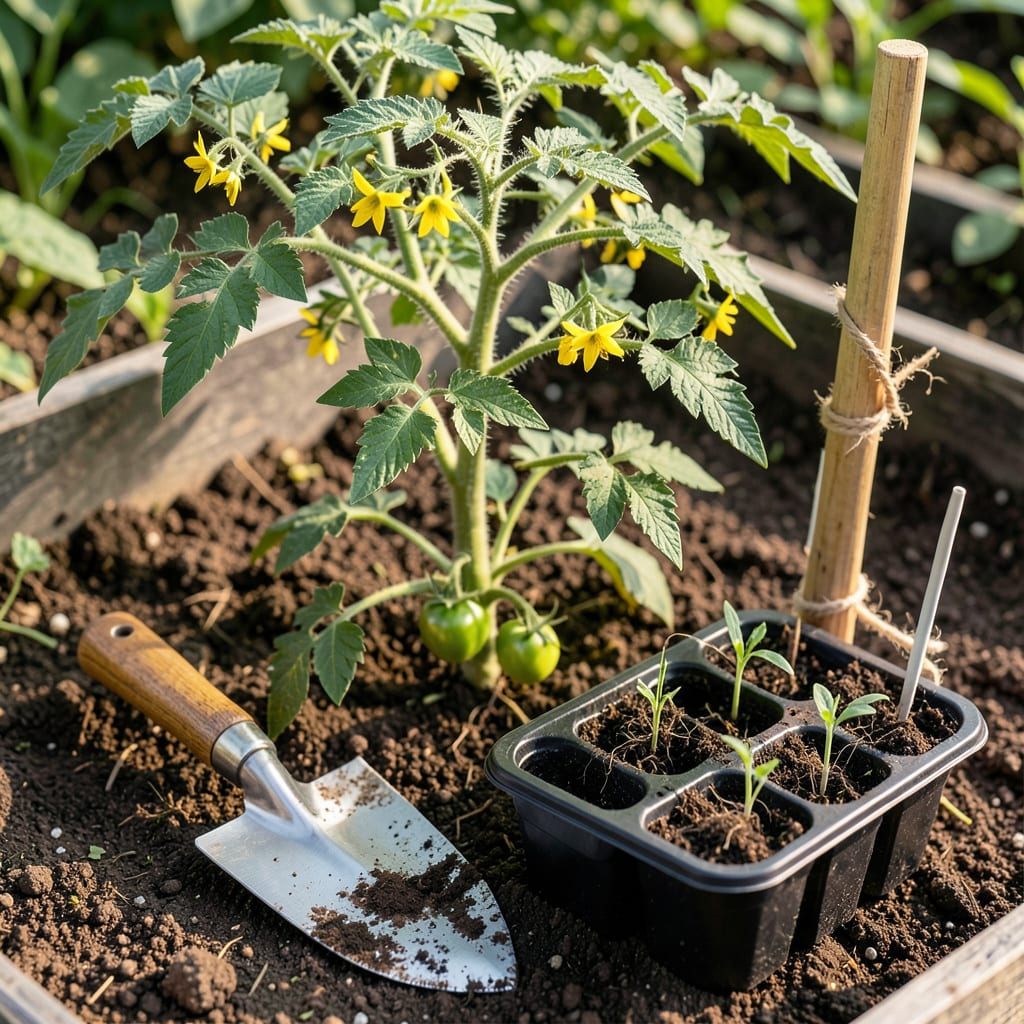
There’s nothing worse than watching your tomato seedlings succumb to an unexpected Nebraska frost—or missing your harvest window because you planted too late. I’ve seen both scenarios play out, and let me tell you, timing is everything when it comes to growing 🍅 tomatoes in our unpredictable climate.
Whether you’re in Omaha’s urban pockets or the wind-swept Panhandle, the difference between a bumper crop and a disappointing season often comes down to just a few weeks. Stick with me, and I’ll show you exactly how to nail that perfect planting window—so you’re picking ripe, juicy tomatoes all summer long.
If you’ve ever lost tomato seedlings to a sneaky late frost or struggled with stunted plants from planting too late, you know Nebraska’s climate keeps gardeners on their toes. Our state spans USDA Zones 4b to 5b, meaning your planting window shifts dramatically from Scottsbluff to Omaha.
The golden rule? Wait until soil temps hit 60°F—but that’s just the start. Urban heat islands in Lincoln might let you plant a week earlier than rural areas, while the Panhandle’s windy, drier climate demands extra protection. Let’s break down the exact timing for your corner of Nebraska.
| Region | USDA Zone | Last Frost Date | Safe Planting Window | Soil Prep Tip |
|---|---|---|---|---|
| Eastern NE (Omaha, Lincoln) | 5b | April 20–May 1 | May 1–15 | Use black plastic mulch to warm soil |
| Central NE (Kearney, Grand Island) | 5a | April 25–May 5 | May 5–20 | Add compost for clay-heavy soil |
| Western NE (Panhandle, Scottsbluff) | 4b | May 1–May 15 | May 15–30 | Windbreaks essential for seedlings |
For early-season starts, begin seeds indoors 6–8 weeks before your last frost date. I use a heat mat to keep soil temps steady at 70°F—it speeds up germination dramatically. Transplant outdoors only after hardening off plants for 7–10 days.
Watch the 10-day forecast like a hawk. If nighttime temps dip below 50°F, cover seedlings with row fabric or cloches. Nebraska’s spring weather is infamous for swinging from balmy to freezing overnight—don’t get caught off guard!
In urban areas, microclimates near buildings or pavement can be 5–10°F warmer. Take advantage by planting a few days earlier, but keep row covers handy. Rural gardeners should lean conservative—those open fields hold cold air longer.
For soil prep, Nebraska’s clay demands amending. Mix in 2–3 inches of compost and consider raised beds if drainage is poor. A soil thermometer is your best friend—don’t guess when to plant!
If you’re in the Panhandle, wind is your biggest challenge. Use sturdy tomato cages or trellises anchored with rebar. Mulch heavily to prevent soil erosion and moisture loss from those relentless spring gusts.
Remember: Determinate varieties (like ‘Roma’) mature faster and handle cooler snaps better than sprawling indeterminates. Save the ‘Brandywines’ for sheltered spots or greenhouses if you’re north of I-80.
Still unsure? Check your local Nebraska Extension Office for hyper-local frost data. They track microclimates down to the county level—far more precise than general zone maps.
Pro tip: Keep a gardening journal! Note your planting dates, first flower appearance, and harvest times each year. Nebraska’s weather varies wildly—your own records will become your most trusted guide.
Nebraska’s short growing season (just 150 frost-free days) means not all tomato varieties will make it to harvest. I’ve tested dozens over the years, and the winners all share one trait: they mature fast—often in 50–70 days—while handling our wild temperature swings.
If you’re north of I-80, focus on cold-tolerant varieties like ‘Stupice’ or ‘Glacier.’ These rugged heirlooms set fruit even when nights dip into the 40s. Southern gardeners can push the envelope with heat-lovers like ‘Celebrity,’ but always have row covers ready for unexpected cold snaps.
| Variety | Days to Maturity | Best For | Flavor Profile | Disease Resistance |
|---|---|---|---|---|
| Early Girl | 50–60 | Statewide | Classic sweet-tart | VFN |
| Stupice | 55–65 | Cold climates | Rich, tangy | Cold tolerant |
| Jet Star | 70 | Heat-prone areas | Low-acid, sweet | Fusarium wilt |
| Roma | 75 | Sauces/paste | Meaty, less juicy | VF |
| Siletz | 50–55 | Short seasons | Balanced, fruity | Early blight |
For container gardeners, ‘Tiny Tim’ or ‘Patio Princess’ stay compact while pumping out fruit. Use 5-gallon buckets with drainage holes and a trellis—perfect for Omaha balconies. Rural growers with space should try ‘Nebraska Wedding,’ a local heirloom bred for our alkaline soils.
Determinate vs. indeterminate matters here. Determinates (like ‘Bush Early Girl’) ripen all at once—great for canning. Indeterminates (like ‘Sungold’) need taller cages but produce until frost. In Zone 4b, I stick to determinates for reliability.
Want to extend your season? Plant a mix of early, mid, and late varieties. Start ‘Stupice’ in April (indoors), add ‘Early Girl’ in May, then tuck in ‘Jet Star’ in early June. This staggered approach gives you tomatoes from July through September—even in Scottsbluff!
Watch for blossom end rot, common in Nebraska’s clay. Prevent it with consistent watering and crushed eggshells in the planting hole. If your plants sulk in heatwaves, shade cloth can save your harvest—our 90°F+ July days stress even heat-loving varieties.
Pro tip: Save seeds from your best performers! Over time, you’ll develop a Nebraska-adapted strain that thrives in your exact microclimate. I’ve got a ‘Brandywine’ line that now ripens 10 days earlier than the original—thanks to selective saving.
Still debating? Visit your local farmers’ market in August and ask which varieties vendors swear by. Nothing beats hyper-local advice from folks who’ve mastered Nebraska’s finicky climate!
Even seasoned Nebraska gardeners can sabotage their tomato harvests with simple oversights. I’ve seen it time and again—healthy seedlings wilting overnight or blossoms dropping before fruiting. The good news? These mistakes are totally avoidable once you know what to watch for.
Our state’s clay-heavy soil, unpredictable frost, and windy conditions create a perfect storm for tomato troubles. But with a few adjustments, you can sidestep the pitfalls that trip up most growers. Let’s tackle the top five errors I see in Nebraska gardens—and how to fix them.
| Mistake | Why It’s Bad | Nebraska-Specific Fix |
|---|---|---|
| Planting too early | Frost kills tender seedlings | Wait until soil hits 60°F (use a thermometer!) |
| Ignoring soil prep | Clay soil suffocates roots | Mix in 3″ compost + gypsum for drainage |
| Skipping wind protection | Stems snap in Panhandle gusts | Use rebar-anchored cages or windbreaks |
| Overwatering seedlings | Root rot in cool spring soil | Water only when top 1″ is dry |
| Using weak supports | Indeterminates collapse in storms | 8′ stakes or Florida weave for tall varieties |
One of the biggest mistakes I see is rushing to plant when stores stock tomatoes in April. Those big box store plants were likely grown in greenhouses—they’re not hardened off for Nebraska’s 40°F nights. Always acclimate plants outdoors for 7–10 days before transplanting.
Nebraska’s alkaline soil (pH 7.5+) causes blossom end rot in tomatoes. Prevent it by adding crushed eggshells to planting holes and maintaining even moisture. I bury a handful of shells and a calcium tablet with each transplant—no more rot!
Don’t forget about mulching! Our hot summers dry out soil fast. Apply 2–3 inches of straw after planting to retain moisture and suppress weeds. In western Nebraska, black plastic mulch works double-duty by warming soil and conserving water.
Finally, watch for early season pests like cutworms. Wrap stems with aluminum foil collars at planting time. For hornworms, handpick or introduce parasitic wasps—they’re native to Nebraska and love tomato pests!
Remember: Nebraska’s short season means every day counts. Avoid these mistakes, and you’ll be harvesting ripe tomatoes by July instead of nursing struggling plants. When in doubt, ask your local Master Gardener—they’ve seen it all! 🌱
Begin seeds 6–8 weeks before your last frost date. For most of Nebraska, that means mid-March to early April. Use a heat mat to maintain soil temps at 70°F for faster germination.
Cover plants with row fabric or cloches if temps drop below 50°F. In western Nebraska, use wall-o-water protectors—they work like mini greenhouses. Always check the 10-day forecast before transplanting.
Use 5-gallon containers with drainage holes and a trellis. Choose compact varieties like ‘Tiny Tim’ or ‘Patio Princess.’ Urban microclimates are warmer, so you can plant 1–2 weeks earlier than rural areas.
Nebraska’s clay soil often drains poorly, causing root suffocation. Mix in 3 inches of compost and gypsum before planting. Overwatering in cool spring soil can also cause wilting—water only when the top 1 inch feels dry.
Use black plastic mulch to warm soil early, and row covers to protect from frost. In fall, remove flowers 40 days before first frost to redirect energy to ripening fruit. Cold-tolerant varieties like ‘Stupice’ can survive light frosts.
