
Beautiful Plants For Your Interior
Beautiful Plants For Your Interior
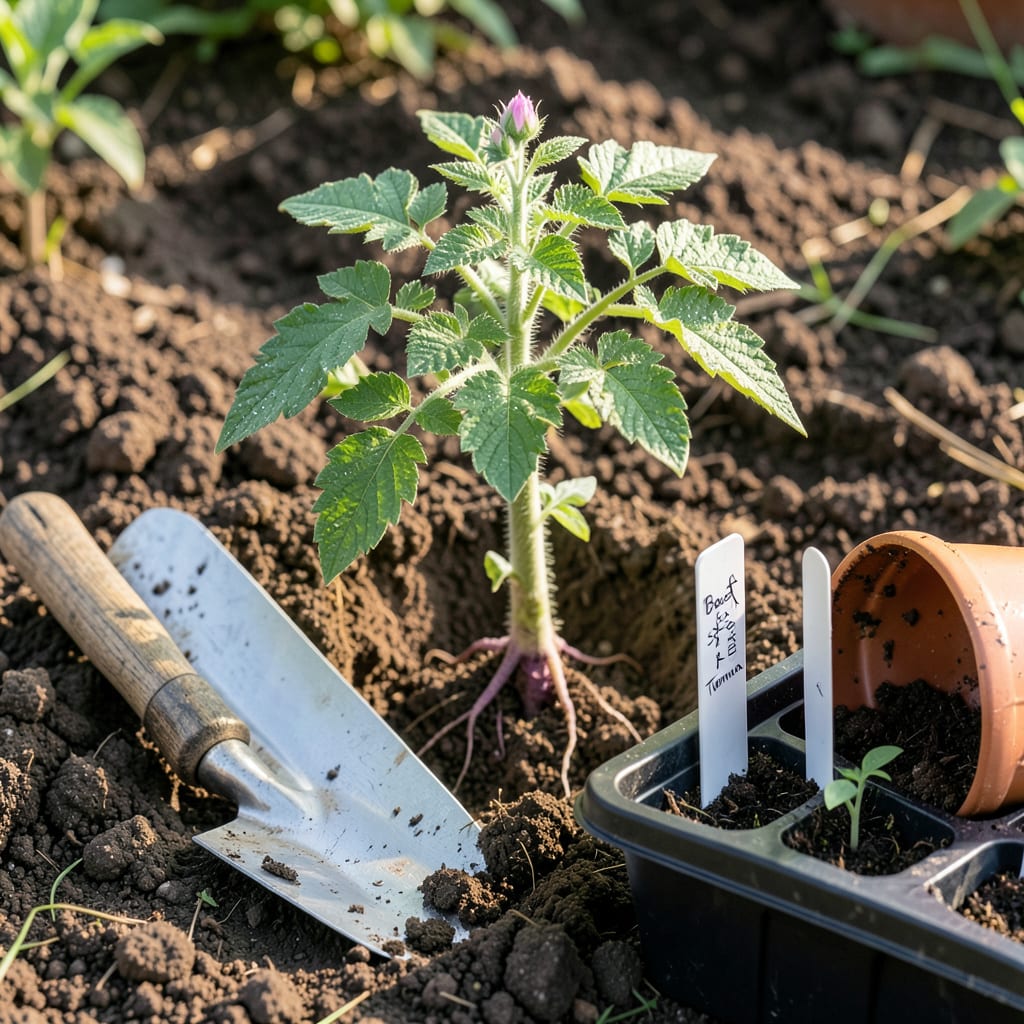
In North Carolina, plant tomatoes outdoors 2-3 weeks after the last frost date—typically early April in coastal areas, mid-April in the Piedmont, and late April to early May in the mountains. Start seeds indoors 6-8 weeks prior for best results.
Timing is everything when it comes to growing tomatoes in North Carolina’s diverse climate. 🌱 The state’s unique geography—from ocean-moderated coasts to cooler mountain elevations—creates distinct microclimates that shift frost dates by weeks. I’ve found that soil temperature is just as critical as air temperature: tomatoes thrive when the ground hits at least 60°F, which often lags behind the last frost. Starting seeds indoors gives you a head start, but don’t rush transplanting—late frosts can still surprise even experienced gardeners.
💡 In This Article
The secret to perfect tomato timing lies in North Carolina’s three distinct climate zones, each with its own frost patterns and soil warming rates. Coastal areas benefit from the Atlantic’s moderating influence, keeping temperatures milder and frost dates earlier—often around March 15-30.
Meanwhile, the Piedmont’s inland location creates more dramatic temperature swings, delaying the last frost until about April 10-15. Up in the mountains, elevation becomes the game-changer, with frost lingering until May 1-15 in some areas. 🌡️
Soil temperature is the unsung hero here. Tomatoes need soil consistently above 60°F to thrive, and this threshold arrives weeks after the last frost in many areas. I’ve measured coastal soils hitting this mark by early April, while mountain gardens often wait until mid-May.
The Piedmont falls somewhere in between, typically reaching ideal temps around April 20-25. Proximity to water bodies can accelerate warming by 7-10 days, which is why areas near lakes or rivers often plant earlier than their inland neighbors.
Elevation changes everything in the western regions. For every 1,000 feet gain, expect temperatures to drop about 3.5°F and frost dates to shift later by roughly a week. This explains why Asheville gardeners (elevation ~2,200 ft) plant nearly a month after Wilmington residents at sea level.
The thermal belts—warmer pockets on south-facing slopes—can create microclimates that allow for earlier planting, sometimes by 2-3 weeks compared to valley floors. ✨
What most gardeners overlook is the “urban heat island” effect in cities like Raleigh and Charlotte. Concrete and asphalt absorb heat during the day and release it at night, creating pockets where soil warms 10-14 days faster than rural areas. I’ve seen downtown community gardens plant successfully a full week before surrounding suburbs.
Conversely, low-lying areas and “frost pockets” can experience temperatures 5-8°F cooler than official weather station readings, requiring later planting.
The coastal “maritime effect” creates another layer of complexity. Ocean breezes keep nighttime temperatures higher, reducing frost risk and allowing for earlier planting. But these same breezes can also increase humidity, which raises the risk of fungal diseases like early blight.
Inland areas face different challenges—more intense summer heat that can cause blossom drop if plants aren’t properly established before June’s 90°F+ temperatures arrive. 💥
Here’s the pro tip: Don’t rely solely on calendar dates. Use a soil thermometer to check temperatures at 4-inch depth for three consecutive mornings. Coastal gardeners should also watch for the first consistent 70°F daytime highs, while mountain growers need to monitor late frost warnings through mid-May.
The NC State Climate Office’s frost probability maps are gold for pinpointing your exact planting window—sometimes the difference between success and failure is just 5-7 days.
Coastal areas like Wilmington can typically plant as early as March 25–April 10, thanks to milder ocean-influenced climates. Always check soil temps first—wait until they hit 60°F at 4-inch depth for three mornings in a row.
Many gardeners buy 6-8 week old transplants from local nurseries. Just avoid big-box stores that might carry varieties not suited for NC’s humidity. Look for stocky, dark green plants with no flowers yet—they’ll transplant better than overgrown specimens.
Keep frost blankets or 5-gallon buckets handy until mid-April. Cover plants before sunset to trap daytime heat. For unexpected cold snaps, string Christmas lights (incandescent) under the cover for extra warmth—just 2-3 degrees can make all the difference!
Planting too early when soil is still cold! Even if air temps feel warm, tomatoes won’t grow in chilly soil. I’ve seen gardeners lose weeks of growth by rushing. Wait for consistent 60°F soil temps—it’s worth the patience for stronger, more productive plants.
Coastal and Piedmont gardeners can! Start seeds in late June for fall harvest. Choose fast-maturing varieties like ‘Early Girl’ (50 days). Mountain areas have tighter windows—aim for July 1 planting at the latest to beat first frost.
