
Beautiful Plants For Your Interior
Beautiful Plants For Your Interior
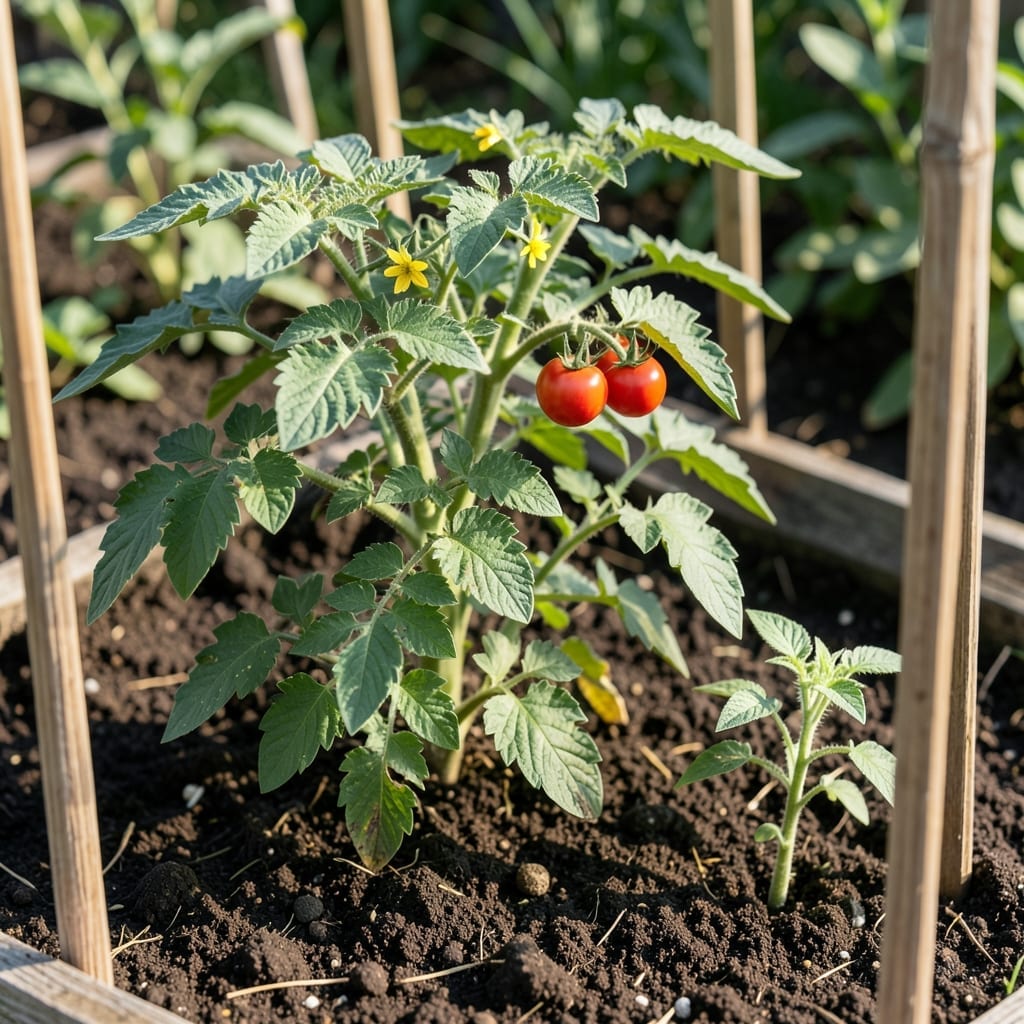
Timing is everything when it comes to planting Tomato 🍅—plant too early and frost can kill your seedlings, too late and you’ll miss the peak growing season.
Knowing the right moment for your hardiness zone ensures a bountiful harvest. Whether you’re in Zone 6 or another region, the window for success is narrower than you think.
I’ll walk you through the key factors to consider, from last frost dates to soil temperature. Let’s get your garden off to the perfect start.
Getting your tomato plants in the ground at the right time is crucial for a successful harvest. Each USDA hardiness zone has its own ideal window based on last frost dates and soil warmth.
In cooler zones like Zone 3-4, you’ll need to wait until late spring or early summer when the soil reaches at least 60°F. Warmer zones like Zone 9-11 can plant much earlier, sometimes even in late winter.
| USDA Zone | Last Frost Date | Planting Window | Soil Temp |
|---|---|---|---|
| 3-4 | May 15 – June 1 | Late May – Early June | 60-65°F |
| 5-6 | April 15 – May 1 | Mid April – Early May | 60-70°F |
| 7-8 | March 15 – April 15 | Late March – Early April | 65-70°F |
| 9-11 | Feb 15 – March 15 | Late Feb – Early March | 70°F+ |
For Zone 5-6, mid-April to early May is your sweet spot. I always check my soil temperature with a simple thermometer before planting. If it’s below 60°F, I wait a week and test again.
In Zone 7-8, you can start as early as late March if the weather cooperates. But watch for late frost warnings—I’ve lost seedlings to surprise cold snaps more than once.
If you’re in Zone 9-11, you’re lucky enough to plant twice a year. A fall crop can go in the ground in late August for a winter harvest in milder areas.
Remember, these are general guidelines. Your microclimate might be slightly warmer or cooler. I use a frost date calculator for my exact location to fine-tune my timing.
For the best results, start your tomato seeds indoors about 6-8 weeks before your last frost date. This gives your seedlings a head start and stronger roots when it’s time to transplant.
I’ve found that using heat mats can help maintain consistent soil temperatures for indoor starts, which is especially helpful in cooler climates.
Don’t forget to harden off your seedlings before planting outdoors. This gradual exposure to outside conditions prevents transplant shock and helps your plants thrive from day one.
Not all tomato varieties follow the same timeline. I’ve learned that early-season tomatoes like Stupice or Sub-Arctic Plenty mature in just 50-60 days. These are perfect for cooler zones with shorter growing seasons.
For mid-season varieties such as Brandywine or Better Boy, you’ll need 70-80 days of warm weather. In Zone 5-6, I start these indoors in early March to ensure they’re ready for transplant by late April.
In Zone 7-8, I can direct-sow early varieties in late March, but I still start late varieties indoors in January. This gives them enough time to mature before the first fall frost in October.
If you’re in Zone 9-11, you can stagger plantings. I put in early varieties in February for a spring harvest, then late varieties in August for a fall crop.
Indeterminate tomatoes like Beefsteak keep producing all season, so I plant these first. Determinate varieties produce all at once, which I save for when I want a big harvest for canning.
Remember, seed packets always list days to maturity. I subtract this from my first frost date to calculate the latest safe planting date. For example, in Zone 6 with 180 frost-free days, I can plant 90-day varieties as late as early July for a fall harvest.
I always keep a garden journal to track which varieties perform best in my zone. This helps me adjust my planting schedule each year for better results.