
Beautiful Plants For Your Interior
Beautiful Plants For Your Interior
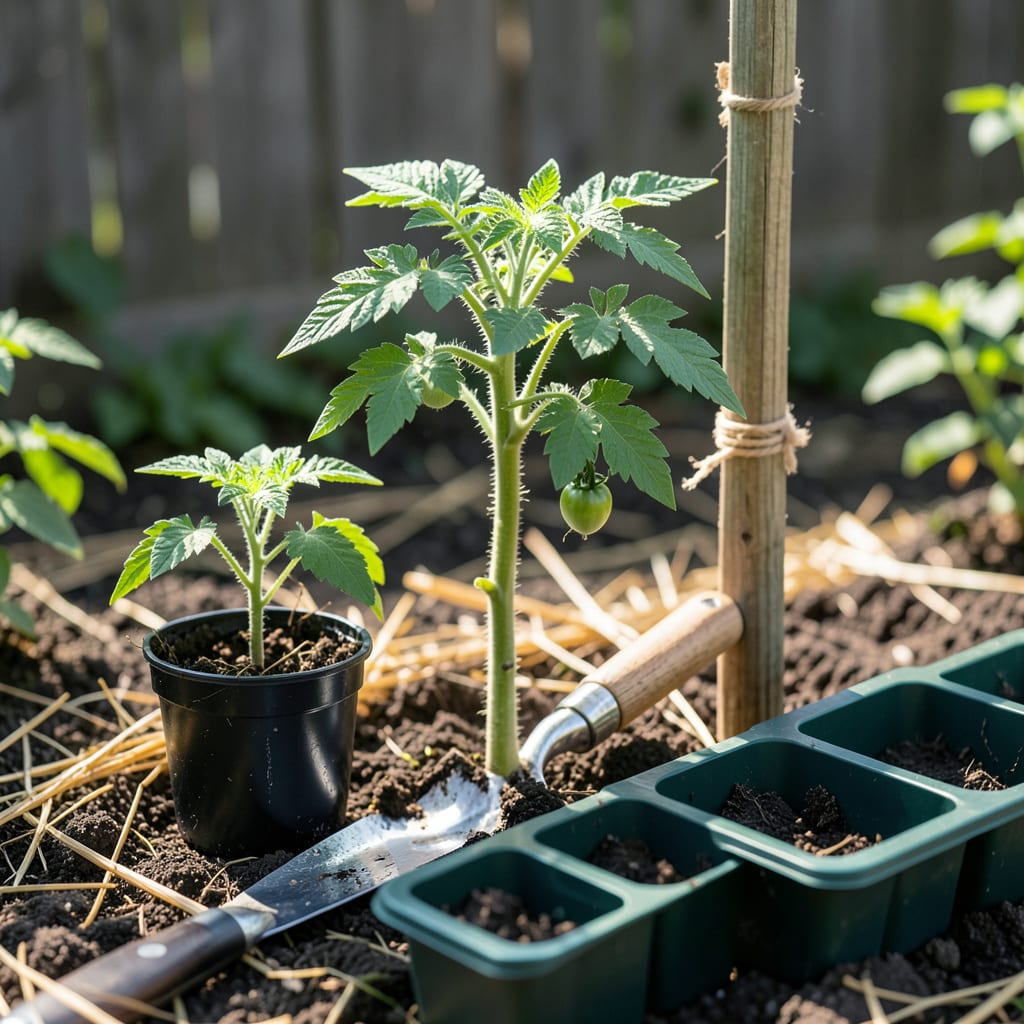
Mississippi’s humid summers and mild winters create a unique dance for tomato growers. Plant too soon, and a sneaky late frost could wipe out your seedlings. Wait too long, and the blazing July heat will fry your plants before they bear fruit.
After years of testing (and a few failed harvests), I’ve cracked the code for timing. Whether you’re in the Delta or along the Coast, I’ll show you the exact windows to drop those 🍅 seedlings in the ground—plus the varieties that laugh in the face of Mississippi’s heat waves.
Mississippi’s USDA Zones 8a and 8b give gardeners a long growing season, but the last frost dates vary by region. In Zone 8a (northern areas like Tupelo), expect your final frost around March 15–30. Coastal Zone 8b (Gulfport, Biloxi) rarely sees frost after February 15. Always check your soil temperature—it should be at least 60°F before planting.
For spring planting, aim to transplant seedlings 2–3 weeks after your last frost. That means early April for Zone 8a and late March for Zone 8b. If you’re starting from seeds indoors, begin 6–8 weeks before transplanting. Fall planting? Get tomatoes in the ground by mid-August for a late-season harvest before first frost.
| Zone | Last Frost Date | Spring Planting Window | Fall Planting Window | Soil Temp Requirement |
|---|---|---|---|---|
| 8a | March 15–30 | Early April | Mid-August | 60°F+ |
| 8b | February 15 | Late March | Early August | 60°F+ |
🌱 Pro Tip: Use a soil thermometer to confirm temperatures. Coastal areas warm faster—adjust accordingly!
If you’re growing determinate tomatoes (bush types), plant them 1–2 weeks earlier than indeterminate varieties. Determinates mature faster and handle early spring fluctuations better. For indeterminate tomatoes, wait until nights stay above 50°F to avoid stunted growth. Both types need full sun (6–8 hours daily) and well-draining soil.
Mississippi’s humidity and heat can stress tomatoes in summer. For fall planting, choose heat-tolerant varieties like ‘Solar Fire’ or ‘Heatmaster.’ These thrive in 90°F+ temperatures and resist common diseases like early blight. If planting in July or August, provide afternoon shade to prevent sunscald on fruits.
Watch your microclimates—urban areas like Jackson may be 5–10°F warmer than rural spots. Use black plastic mulch to warm soil faster in spring, or straw mulch in summer to retain moisture. Raised beds? They warm up 2–3 weeks earlier than in-ground plots, so adjust planting dates accordingly.
For transplant success, harden off seedlings for 7–10 days before moving them outside. Start with 2–3 hours of sun daily, gradually increasing exposure. Plant seedlings deeper than their pots—bury up to the first true leaves to encourage strong roots. Space plants 18–24 inches apart for determinates, 24–36 inches for indeterminates.
Mississippi’s clay-heavy soils can compact and drain poorly. Amend beds with 3–4 inches of compost or aged manure before planting. A soil test is worth it—aim for a pH of 6.2–6.8. If your soil is too acidic, add lime; if alkaline, mix in sulfur or peat moss. Tomatoes are heavy feeders, so work in a balanced fertilizer (10-10-10) at planting.
Water deeply 2–3 times per week, giving plants 1–1.5 inches of water total. Drip irrigation is ideal—it keeps foliage dry, reducing disease risk in humid climates. Avoid overhead watering in evenings; wet leaves overnight invite fungal diseases like powdery mildew. Mulch with straw or grass clippings to retain moisture and suppress weeds.
Keep an eye on the 10-day forecast before planting. If a late frost threatens, protect seedlings with frost blankets or cloches. In fall, be ready to cover plants if temps dip below 40°F. Mississippi’s unpredictable weather means always having a backup plan—like row covers or a cold frame—for unexpected temperature swings.
For the juiciest harvests, focus on consistent care: monitor for pests like tomato hornworms and diseases such as blossom end rot (a sign of calcium deficiency). Rotate crops yearly to prevent soil-borne issues. With the right timing and care, you’ll enjoy homegrown tomatoes from late spring through fall! 🌱
Mississippi’s humid subtropical climate is a double-edged sword for tomatoes. While the long growing season is a blessing, common mistakes can turn your tomato dreams into a wilting nightmare. After talking to local extension agents and veteran gardeners, I’ve pinpointed the top 5 blunders that sabotage yields.
First up: ignoring soil pH. Mississippi’s clay-heavy soils often skew acidic (below 6.0) or alkaline (above 7.0). Tomatoes thrive in 6.2–6.8 pH. Skipping a $15 soil test might cost you a whole crop. I’ve seen gardeners lose plants to blossom end rot simply because their soil lacked calcium due to improper pH.
Another classic error? Planting during July’s peak heat. While Mississippi’s summers are long, 90°F+ temperatures cause blossom drop and poor fruit set. I learned this the hard way when my ‘Better Boy’ tomatoes produced zero fruit in July. Instead, plant heat-tolerant varieties like ‘Solar Fire’ or ‘Heatmaster’ by early June for summer harvests, or wait for August fall planting.
Overwatering is just as dangerous as underwatering. Tomatoes need 1–1.5 inches of water weekly, but daily light sprinkles lead to shallow roots. Use a drip irrigation system on a timer for consistency. Stick your finger 2 inches into the soil—if it’s dry, it’s time to water. Mulch with straw or grass clippings to retain moisture and keep roots cool.
Here’s a mistake even experienced gardeners make: not rotating crops. Tomatoes are heavy feeders and attract pests like nematodes and tomato hornworms. Never plant them in the same spot yearly. Follow a 3-year rotation with non-solanaceous crops (like beans or lettuce) to break pest cycles. If space is tight, solarize the soil with clear plastic for 4–6 weeks before planting.
Finally, neglecting pest prevention can wipe out a crop overnight. Mississippi’s humidity is a breeding ground for early blight and septoria leaf spot. Start with disease-resistant varieties (look for ‘VFN’ on labels). Remove lower leaves touching the soil, and apply copper fungicide preventatively every 2–3 weeks. For hornworms, handpick or use BT (Bacillus thuringiensis) spray.
One last pro tip: don’t skip the fertilizer, but don’t overdo it either. Tomatoes need balanced nutrition—too much nitrogen gives you lush foliage but few fruits. Use a 5-10-10 fertilizer at planting, then switch to low-nitrogen (like 3-4-6) once flowers appear. Side-dress with compost tea every 3–4 weeks for a nutrient boost without burning roots. 🌱
Mississippi’s sweltering summers and humid air demand tomatoes bred to thrive in tough conditions. Not all varieties can handle 90°F+ days or resist fungal diseases like early blight. After testing dozens, I’ve narrowed it down to the top performers for Zone 8 gardens.
For heat tolerance, you can’t beat ‘Solar Fire’ and ‘Heatmaster’. These hybrids set fruit even when temps soar, and they resist cracking in fluctuating humidity. ‘Celebrity’ is another winner—it’s disease-resistant and produces heavy yields of classic red tomatoes. All three are determinate, perfect for containers or small spaces.
For fall planting, try ‘Tropic’ or ‘Florida 91’. These varieties handle cooling temps while still producing before frost. ‘Juliets’ (mini Roma-type) are another great choice—they’re disease-resistant and thrive in shorter fall days. All three can be planted in August for October harvests.
If you love heirlooms, ‘Creole’ and ‘Mortgage Lifter’ adapt well to Mississippi’s climate. Both have rich, complex flavors but need extra care. Space them 36 inches apart for airflow, and mulch heavily to prevent soil-borne diseases. For container gardening, ‘Patio’ and ‘Tiny Tim’ stay compact while producing full-sized fruits.
Disease resistance is non-negotiable in Mississippi. Look for varieties with ‘VFN’ labels (resistant to Verticillium, Fusarium, and Nematodes). ‘Mountain Merit’ and ‘Defiant’ are newer hybrids with strong resistance to late blight. Pair these with copper fungicide sprays every 3 weeks for bulletproof plants.
Pro tip: Rotate varieties yearly to prevent pest buildup. If hornworms were an issue last season, plant ‘Swallowtail’—its fuzzy leaves deter pests. For early harvests, ‘Bush Early Girl’ produces in just 54 days. Always plant 2–3 varieties to stagger harvests and extend your tomato season from June through October. 🌱
Planting in July or August is risky due to extreme heat, but you can succeed with heat-tolerant varieties like ‘Solar Fire’ or ‘Heatmaster.’ Provide afternoon shade and consistent watering. For best results, aim for fall planting by mid-August for a late-season harvest.
Use frost blankets, cloches, or row covers if temperatures dip below 40°F. In Zone 8a, keep covers handy until early April. For unexpected cold snaps, water the soil before sunset—moist ground retains heat longer.
Amend clay-heavy soil with 3–4 inches of compost or aged manure. Test pH—aim for 6.2–6.8. Add lime if too acidic or sulfur if alkaline. A balanced 10-10-10 fertilizer at planting gives plants a strong start.
Yes! Raised beds warm up 2–3 weeks earlier than in-ground plots, allowing earlier planting. They also improve drainage in Mississippi’s clay soils. Just ensure beds are at least 12 inches deep and filled with a mix of topsoil and compost.
Water deeply 2–3 times per week, providing 1–1.5 inches total. Use drip irrigation to keep foliage dry and prevent disease. In peak summer, check soil moisture daily—straw mulch helps retain water and cool roots.
