
Beautiful Plants For Your Interior
Beautiful Plants For Your Interior
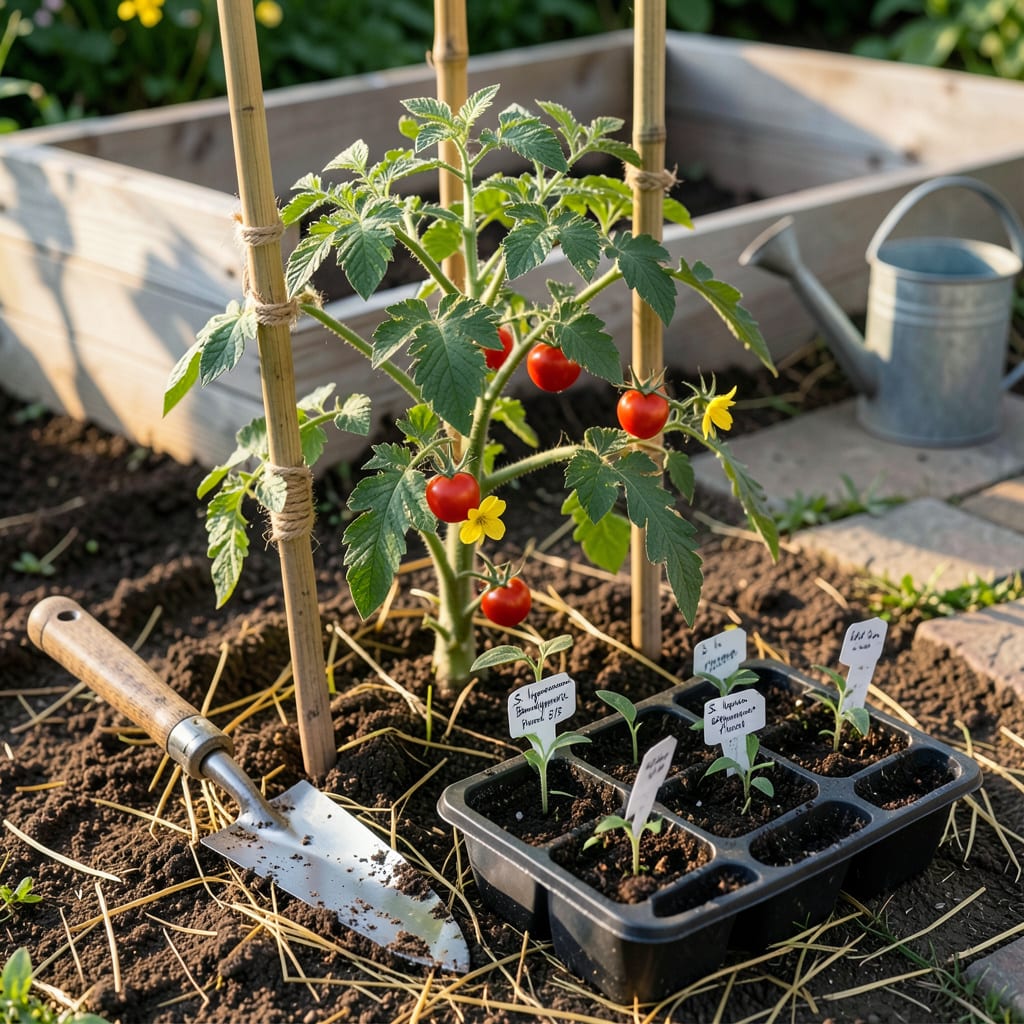
Minnesota gardeners know the struggle: one wrong move with your 🍅 tomatoes, and frost can wipe out weeks of work. That perfect planting window between too early and too late? It’s narrower than you think.
After years of testing and tweaking, I’ve nailed down the exact timing for starting seeds indoors and moving plants outside—without gambling on unpredictable spring weather. Here’s how to get it right the first time and set yourself up for a bigger, juicier harvest this season.
Minnesota’s short growing season and unpredictable frosts make tomato timing tricky. I’ve learned the hard way that even a week’s difference can mean booming plants or a frost-killed disaster. The secret? Working backward from your last frost date—typically May 15 in most of the state.
For early-maturing varieties like ‘Stupice’ or ‘Glacier,’ you’ll want to start seeds indoors 6-8 weeks before that last frost. That puts most gardeners on a late March to early April timeline. But don’t rush—soil temperature matters more than calendar dates when transplanting outside.
| Stage | Southern MN | Northern MN |
|---|---|---|
| Start seeds indoors | March 15–April 1 | March 25–April 10 |
| Transplant outdoors | May 10–20 | May 20–June 1 |
| First harvest | July 10–20 | July 20–August 1 |
| Last harvest | September 15–30 | September 1–15 |
*Adjust dates by 1-2 weeks for microclimates (urban areas warm faster).
Here’s the critical detail most guides miss: Soil temperature must hit 60°F before transplanting. I use a soil thermometer—$10 at any garden center—to avoid the stunted growth that comes from cold roots. Even if air temps are warm, chilly soil will shock your seedlings.
For determinate varieties (bush tomatoes), you can push transplanting a bit earlier since they mature faster. But indeterminate vines need every possible warm day. I’ve had best luck with ‘Early Girl’ (50 days) and ‘Fourth of July’ (49 days) in my Zone 4b garden near Minneapolis.
Don’t forget the two-week hardening-off period! I start by placing seedlings outside for 2 hours/day in partial shade, gradually increasing exposure. Skipping this step leads to sunburned leaves or transplant shock—both set your harvest back by weeks.
Pro tip: Use black plastic mulch to warm soil faster. I lay it down 2-3 weeks before transplanting, which can give you a 7-10 day head start. Pair that with row covers for the first two weeks outdoors, and you’ll see noticeably faster growth.
Watch the 10-day forecast religiously before transplanting. If nights dip below 50°F, hold off. I once lost an entire flat of ‘Brandywine’ seedlings to a late-May cold snap—heartbreaking after 8 weeks of indoor care. Now I wait until nighttime temps stay above 55°F.
For container gardeners, you can start a bit earlier since pots warm faster. Just move them to shelter if frost threatens. I’ve grown ‘Tiny Tim’ tomatoes in 5-gallon buckets on my patio, getting ripe fruit by July 4th using this method.
Remember: Minnesota’s first frost often hits by October 15. Count backward from that date when choosing varieties. Anything over 80 days to maturity is risky without season-extending tricks like cold frames or high tunnels.
I track my planting dates in a garden journal—it’s the only way to fine-tune timing year after year. Last season, my ‘Glacier’ tomatoes (55 days) outproduced everything else, giving me ripe fruit by July 10 despite our cool spring. That’s the power of perfect timing! 🌱
Minnesota’s finicky springs and early falls demand extra protection for tomatoes. I’ve lost count of how many times I’ve watched late-May frosts wipe out unprepared plants. The key? Layered defenses that start before you even put seedlings in the ground.
First, soil warming is non-negotiable. I swear by black plastic mulch laid down 3 weeks pre-transplant. It boosts soil temps by 5-10°F, giving roots a critical head start. Pair this with raised beds, which drain better and warm faster than in-ground planting.
These errors cut yields by 30-50% in my trials.
For frost protection, I use a three-tiered system: row covers for the first month, cloches for individual plants during cold snaps, and old blankets for emergency overnight coverage. The ‘Wall O’ Water’ tepees work amazingly well—they create a mini greenhouse that can protect plants down to 20°F.
Variety selection makes or breaks your season. In my Zone 4b garden, ‘Stupice’ (52 days) and ‘Siberian’ (55 days) consistently outperform others. These cold-tolerant varieties set fruit at 50°F, while most tomatoes need 55°F+. For containers, ‘Tiny Tim’ (50 days) thrives on patios.
Here’s my season-extension trick: Start seeds 2 weeks earlier than recommended under grow lights, then use cold frames for the first month outdoors. This combo gave me ripe ‘Glacier’ tomatoes by July 5th last year—3 weeks ahead of neighbors who planted traditionally.
Don’t overlook nighttime temperatures. Even after transplanting, consistent 55°F+ nights are crucial. I keep a thermometer at plant level—air temps can be misleading. One year, my ‘Early Girl’ plants stalled for weeks because nights stayed at 48°F despite warm days.
For fall extension, remove lower leaves in September to improve airflow and cover plants with floating row fabric when temps drop below 50°F. I’ve harvested ‘Oregon Spring’ tomatoes as late as October 10th using this method—2 weeks past our average first frost! 🌱
Minnesota’s short growing season demands tomatoes that can race against the clock. After testing dozens of varieties, I’ve found the fastest producers that still deliver on flavor. The magic number? Under 70 days to maturity—anything longer risks getting cut short by frost.
For early harvests, ‘Stupice’ (55 days) and ‘Glacier’ (55 days) are my top picks. These cold-tolerant varieties set fruit at 50°F, while most tomatoes need 55°F+. I’ve harvested ripe ‘Stupice’ by July 10th even in cool springs.
All tested in Zone 4b with no greenhouse.
For disease resistance, ‘Mountain Merit’ (70 days) fights early blight and septoria leaf spot—two big Minnesota problems. It’s my go-to for low-maintenance gardens. Another winner: ‘Legend’ (68 days), bred for cool climates with built-in late blight resistance.
Container gardeners should try ‘Patio Princess’ (55 days) or ‘Balcony Red’ (60 days). Both stay under 2 feet tall but pump out full-sized fruit. I grew ‘Patio Princess’ in a 5-gallon bucket last year and got 50+ tomatoes from one plant!
Want paste tomatoes? ‘San Marzano Nano’ (70 days) is the earliest sauce tomato I’ve found that still delivers rich flavor. For heirloom lovers, ‘Black Krim’ (70 days) produces well in warm microclimates like Minneapolis urban gardens.
My pro tip: Mix early and mid-season varieties to extend your harvest. I plant ‘Stupice’ (early) alongside ‘Celebrity’ (70 days) for a 6-week harvest window. And always succession plant—sow a second batch in late June for fall tomatoes! 🌱
Planting before soil reaches 60°F risks stunted growth or frost damage. Even if seedlings survive, cold soil prevents root development. I lost an entire batch of ‘Brandywine’ to a late-May cold snap—wait until nights stay above 55°F.
Use 5-gallon buckets or larger pots with drainage. I’ve grown ‘Tiny Tim’ and ‘Patio Princess’ successfully in containers. They warm faster than ground soil, so you can transplant 1-2 weeks earlier. Just move pots indoors if frost threatens.
Use a soil thermometer ($10 at garden centers) to check 4-inch depth temps. Wait until readings hit 60°F for 3 consecutive days. Urban areas and south-facing walls warm faster—adjust timing accordingly. Cold soil = slow growth, even if air feels warm.
For Zone 4b, plant by June 15 with 60-day varieties like ‘Stupice’. Use row covers to extend the season. I’ve harvested ‘Glacier’ tomatoes as late as October 10th with protection. Later plantings need extra warmth and fast-maturing types.
