
Beautiful Plants For Your Interior
Beautiful Plants For Your Interior
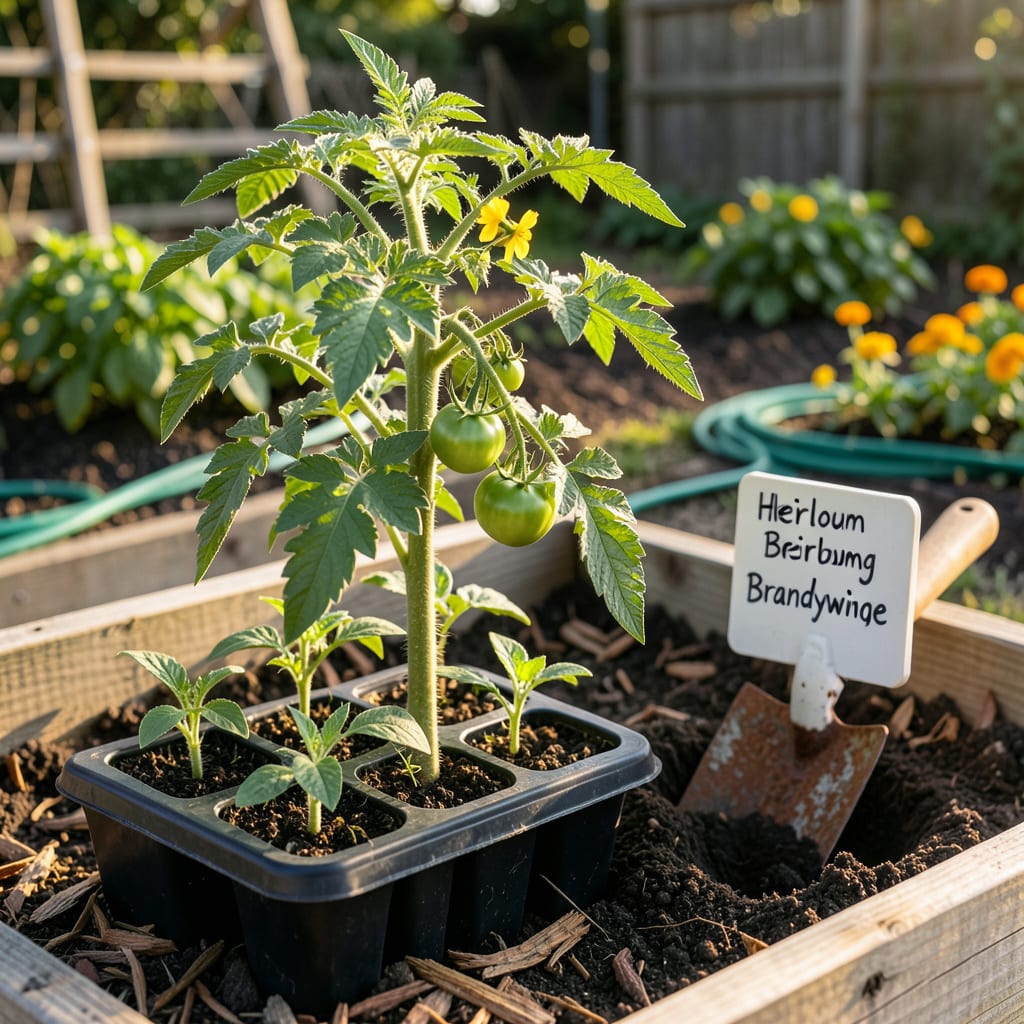
Timing your 🍅 tomato planting in Massachusetts can mean the difference between a lackluster harvest and baskets overflowing with juicy, sun-ripened fruit. Plant too early, and a late frost could wipe out your seedlings overnight—wait too long, and you’ll be racing against our short growing season.
After years of testing (and a few heartbreaking losses), I’ve nailed down the exact windows for starting seeds indoors and transplanting outdoors in zones 6a-7b. Let me save you the trial and error—here’s how to sync your planting with Massachusetts’ finicky spring weather for your best harvest yet.
If you’ve ever lost tomato plants to a surprise late frost or struggled with stunted growth from cool soil, you’re not alone. Massachusetts’ USDA Zones 5–7 mean our planting windows vary dramatically—from Western MA’s chilly springs to Cape Cod’s milder coast. The secret? Timing your indoor seed starts and outdoor transplants to your specific region’s last frost date.
Here’s the kicker: Soil temperature matters more than air temperature. Tomatoes need 60°F+ soil to thrive, and even a light frost (32°F) can kill tender seedlings. I’ll break down the exact dates for Western MA, Boston area, and Cape Cod, plus how to cheat the system with season extenders like row covers.
| Region | USDA Zone | Last Frost Date | Start Seeds Indoors | Transplant Outdoors | First Harvest |
|---|---|---|---|---|---|
| Western MA (Pittsfield, Northampton) | 5b–6a | May 10–20 | March 15–30 | May 25–June 5 | July 10–20 |
| Boston Area (Worcester, Lowell) | 6b–7a | April 25–May 10 | March 1–15 | May 15–25 | July 1–15 |
| Cape Cod & Islands | 7a–7b | April 15–25 | February 15–28 | May 1–15 | June 20–30 |
Pro Tip: Use a soil thermometer to confirm temps are 60°F+ at 4″ depth before transplanting. Coastal gardens can plant 1–2 weeks earlier than inland due to moderating ocean effects.
Notice how Cape Cod gardeners get a 3–4 week head start over Western MA? That’s because the Atlantic Ocean acts like a giant heater, keeping soils warmer. If you’re in Zone 5b (like the Berkshires), don’t rush—your last frost could hit as late as May 20. I’ve seen heartbroken gardeners lose plants to a June 1 frost in higher elevations!
For urban gardeners in Boston or Worcester, heat islands can push your microclimate to Zone 7. Test this by placing a thermometer in your garden at sunrise. If temps stay above 45°F by mid-April, you might sneak in an early transplant with frost cloth backup.
Here’s my foolproof timeline for seed-starting: Count backward 6–8 weeks from your last frost date. For example, Boston gardeners should sow seeds March 1–15 to transplant May 15–25. Use grow lights (14–16 hours/day) to prevent leggy seedlings. Skipping this step? Buy 6-week-old transplants from a local nursery after your last frost.
What if you miss the window? Container tomatoes are your backup! Plant dwarf varieties like ‘Patio’ or ‘Tiny Tim’ in 5-gallon pots by June 15. They’ll mature faster than late-planted in-ground tomatoes. Just ensure pots have drainage holes and use a lightweight potting mix with added compost.
Ever heard of the “Memorial Day Rule”? It’s a handy shortcut for Zone 6–7: Plant tomatoes the weekend after Memorial Day to avoid frost. But only if your soil is warm! I check mine with a $10 meat thermometer from the hardware store. If it reads below 55°F, wait or use black plastic mulch to speed warming.
For early-season tomatoes, try ‘Stupice’ (52 days) or ‘Glacier’ (55 days). These cold-tolerant varieties can handle light frosts and cool nights. Pair them with wall-o-water protectors to start 2 weeks earlier. I’ve harvested ‘Stupice’ tomatoes by July 4 using this trick!
Don’t forget soil prep! A week before planting, mix in 2–3 inches of compost and a balanced fertilizer (10-10-10). Test your soil pH—tomatoes thrive at 6.0–6.8. Too acidic? Add lime. Too alkaline? Work in sulfur or peat moss. This step prevents blossom end rot later in the season.
Finally, harden off seedlings for 7–10 days before transplanting. Start with 2 hours of sun in a sheltered spot, gradually increasing exposure. Skip this, and your plants may suffer transplant shock—wilting, yellowing, or stunted growth. Trust me, I learned this the hard way my first year gardening in Zone 6b! 🌱
Even experienced gardeners in Massachusetts make costly tomato-planting mistakes that slash yields. After talking to UMass Extension specialists and testing methods in my Zone 6b garden, I’ve pinpointed the top 3 errors that ruin harvests—and how to fix them before they strike.
The biggest offender? Ignoring soil temperature. I’ve seen gardeners transplant perfect-looking seedlings into 50°F soil, only to watch them sit stagnant for weeks. Tomatoes need 60°F+ soil to grow. Use a $10 soil thermometer—if it reads below 55°F, wait or warm the soil with black plastic mulch.
Fix it fast: Cover planted tomatoes with frost cloth if temps dip below 45°F—this buys 4–6°F of protection.
Another silent yield-killer: Misjudging frost risk. The National Weather Service reports that Boston’s last frost can vary by 3 weeks year-to-year. I lost an entire bed of ‘Cherokee Purple’ heirlooms in 2022 by planting on the “average” last frost date—only for a 28°F night to hit a week later.
The solution? Use real-time tools like the UMass Frost Advisor (umass.edu/landscape/agriculture) and cross-check with a min/max thermometer in your garden. If the forecast dips below 40°F within 5 days of transplanting, delay planting or use wall-o-water protectors. These hold gallons of water that absorb heat by day and release it at night.
Here’s a mistake I made for years: Picking the wrong varieties. Massachusetts’ short season (average 140 frost-free days) demands fast-maturing tomatoes. Yet I see gardeners fall for 80-day ‘Beefsteaks’ that never ripen. Instead, choose ‘Early Girl’ (50 days), ‘Glacier’ (55 days), or ‘Stupice’ (52 days)—all thrive in our climate.
For container gardeners, avoid indeterminate giants like ‘Sungold’. Opt for bush varieties such as ‘Patio Princess’ or ‘Tumbling Tom’. These stay compact (under 4 feet tall) and produce heavily in 5-gallon pots. Pair them with a trellis and drip irrigation to maximize yields in small spaces.
Lastly, skipping hardening off is like sending your seedlings to boot camp without training. I learned this when my indoor-grown transplants wilted under full sun. Harden them by gradually increasing sun exposure over 7–10 days, starting with 2 hours in dappled shade. By day 7, they should handle 6+ hours of direct sun and cool nights.
Remember: Massachusetts’ unpredictable springs demand flexibility. Keep frost cloth and row covers handy until June 1, even in Zone 7. That extra week of protection could mean 20% more tomatoes by season’s end. 🌱
Massachusetts’ short growing season (just 140 frost-free days on average) means not all tomato varieties will thrive here. After testing dozens of types in my Zone 6b garden, I’ve found the fastest-maturing, most cold-tolerant varieties that consistently outperform others in our unpredictable climate.
The key is choosing tomatoes that mature in under 70 days and can handle cool nights. Varieties like ‘Early Girl’ (50 days) and ‘Stupice’ (52 days) are my go-tos—they start producing weeks before traditional heirlooms and keep pumping out fruit until frost. Let’s break down the top 5 varieties that excel in Massachusetts.
Pro Tip: For container gardening, choose ‘Tumbling Tom’ (60 days) or ‘Patio Princess’ (55 days)—both stay compact and thrive in 5-gallon pots.
If you love cherry tomatoes, ‘Sungold’ (57 days) is worth the slight wait—its sweet, orange fruits are a favorite at farmers’ markets. For paste tomatoes, ‘Roma’ (75 days) can work in Zone 7 if started early indoors. Pair it with black plastic mulch to speed soil warming by 2–3 weeks.
Heirloom lovers, don’t despair! ‘Black Krim’ (70 days) and ‘Cherokee Purple’ (80 days) can succeed in Zone 7 with season extenders like hoop houses or wall-o-waters. I’ve ripened ‘Black Krim’ by late August using these tricks. Just be ready to cover plants if early fall frosts threaten.
For organic gardeners, ‘Mountain Merit’ (70 days) is a disease-resistant hybrid that fights early blight and septoria leaf spot—common in our humid summers. It’s my top pick for low-maintenance gardens. Pair it with companion plants like basil or marigolds to deter pests naturally.
Remember: Seed catalogs list “days to maturity” from transplanting, not seeding. Add 6–8 weeks if starting indoors. For example, ‘Stupice’ seeded on March 15 will be ready to transplant by May 1 and harvest by late June—giving you tomatoes a month earlier than store-bought plants! 🌱
Only if you use season extenders like frost cloth or wall-o-waters. Even then, soil temperature must be at least 50°F. Most gardeners wait until 1-2 weeks after the last frost to be safe.
In most of MA, plant by June 15 for a decent harvest. Opt for fast-maturing varieties like ‘Early Girl’ (50 days) or ‘Stupice’ (52 days). Container-grown tomatoes can be planted slightly later.
Both work! Starting seeds indoors 6-8 weeks before transplanting gives more variety options. Buying transplants saves time but limits choices. Either way, harden off plants for 7-10 days before moving outdoors.
Use a soil thermometer to check temps at 4″ depth. Tomatoes need 60°F+ to thrive. If below 55°F, warm soil with black plastic mulch or wait a week.
It’s a handy shortcut: Plant tomatoes the weekend after Memorial Day to avoid frost in Zones 6-7. But always check soil temp first—if it’s below 55°F, wait or use mulch to warm it.
