
Beautiful Plants For Your Interior
Beautiful Plants For Your Interior
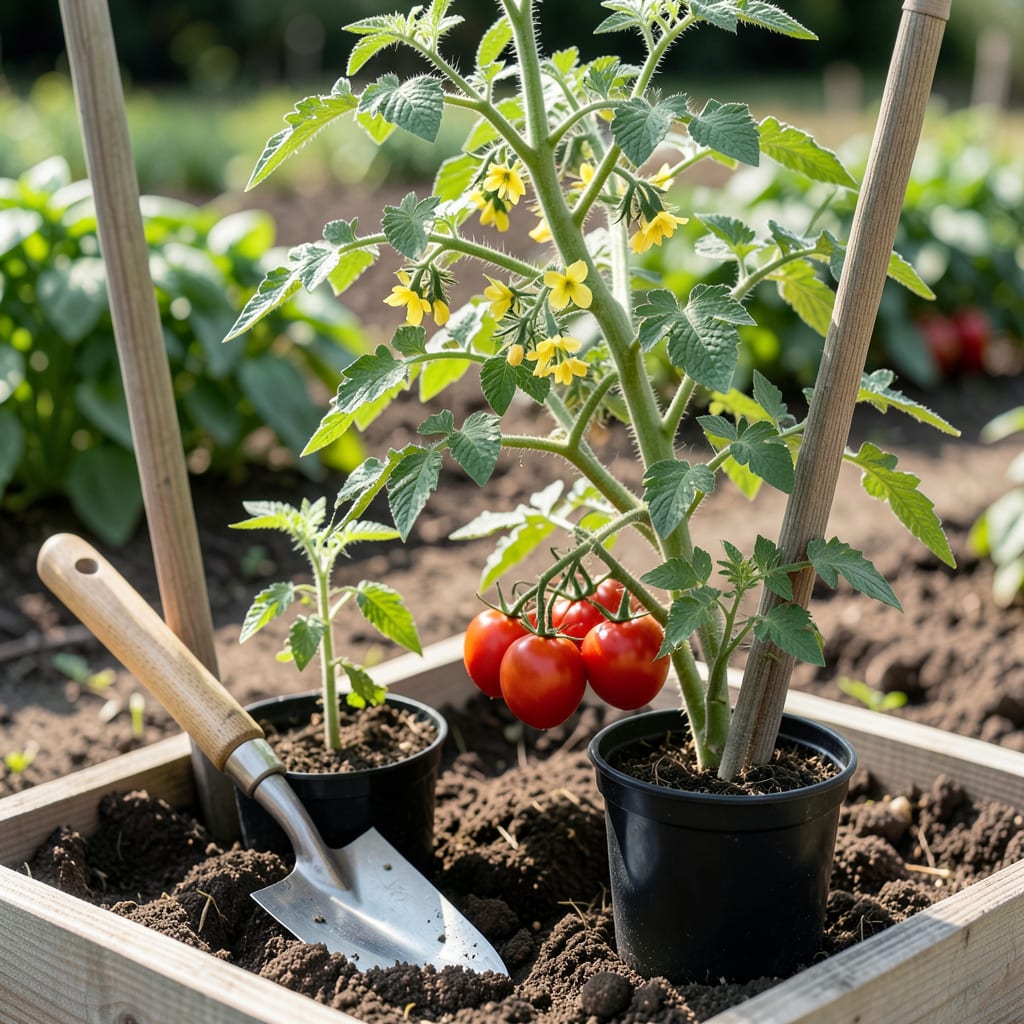
Maine’s short growing season makes planting 🍅 tomatoes a game of perfect timing. One misstep—too early or too late—and you risk losing your entire crop to frost or missing summer’s peak harvest window.
After years of testing what works (and what doesn’t) in Zone 5, I’ve nailed down the exact planting schedule. Whether you’re starting seeds indoors or transplanting outdoors, I’ll show you how to sync with Maine’s climate for the juiciest results.
If you’ve ever watched your tomato seedlings shiver through a surprise Maine frost, you know timing isn’t just important—it’s everything. Our Zone 5 climate gives us roughly 120–150 frost-free days, so every week counts. The secret? Start seeds indoors early, then transplant after the last frost date (usually mid-May to early June).
But here’s the kicker: coastal Maine warms up faster than inland areas, and early-maturing varieties (like ‘Stupice’) can go out sooner than beefsteaks. I’ll break down the exact windows below—plus how to cheat the calendar with row covers or black plastic mulch.
| Method | Date Range | Notes |
|---|---|---|
| Start seeds indoors | Late March–April 1 | 6–8 weeks before last frost; use grow lights |
| Harden off seedlings | Early–mid May | Acclimate 1–2 hours/day for 7–10 days |
| Transplant outdoors | May 15–June 5 | Soil temp ≥60°F; watch weather forecasts |
| Direct-sow (risky!) | June 1–10 | Only for fast-maturing varieties in warm microclimates |
| First harvest | Late July–August | Early varieties (50–60 days) ripen first |
Pro Tip: Coastal gardeners (e.g., Portland) can plant 7–10 days earlier than inland (e.g., Bangor).
Let’s talk soil temperature—the silent killer of eager gardeners. Even if air temps hit 60°F, cold soil stunts roots. I use a $10 soil thermometer to check depths of 4–6 inches. Below 55°F? Hold off. Above 60°F? You’re golden. Black plastic mulch can warm soil 5–10°F faster—lay it down 2 weeks before planting.
For container gardeners, you’ve got more flexibility. Move pots to sunny patios or greenhouses to extend seasons. Just ensure containers are at least 5 gallons (bigger for indeterminate varieties). I’ve grown ‘Tiny Tim’ tomatoes in hanging baskets on my porch—they ripened 3 weeks earlier than my in-ground plants!
What about late frosts? Maine’s weather is unpredictable. Keep frost blankets or 5-gallon buckets handy until June 10. One year, I lost half my seedlings to a May 28 frost—now I wait until nighttime temps stay above 50°F. Trust me, patience pays off in pounds of tomatoes.
If you’re itching to plant earlier, try low tunnels or cold frames. These mini-greenhouses can protect seedlings 3–4 weeks ahead of schedule. I built mine from PVC pipes and plastic sheeting for under $30. Just vent them on sunny days to prevent overheating.
Remember: Maine’s growing season is short, but tomato variety selection makes all the difference. ‘Glacier’ and ‘Sub-Arctic Plenty’ can ripen in 50 days, while ‘Brandywine’ needs 90+ days—risky without a greenhouse. Stick to early- and mid-season types for reliable harvests.
Still unsure? Call your local UMaine Extension office or check their frost date calculator. They track hyper-local microclimates—like how Kittery might be 2 weeks ahead of Millinocket. Last year, their advice saved my ‘Sungold’ cherries from a late frost!
Finally, don’t skip soil prep. Work in 2–3 inches of compost and a balanced fertilizer (10-10-10) at planting. I add crushed eggshells for calcium to prevent blossom-end rot. Healthy soil = faster growth, which is critical in our short season.
Even experienced gardeners can sabotage their tomato harvest with simple oversights. Maine’s short season and unpredictable frosts leave zero room for error. After ruining two crops myself, I’ve learned the hard way—which mistakes actually matter.
First up: ignoring soil temperature. Air temps might hit 60°F in May, but if your soil’s still below 55°F, roots stall. I buried a soil thermometer 6 inches deep and waited until it read 60°F+—my plants doubled in size within weeks.
Quick Fix: Use black plastic mulch to warm soil 1–2 weeks faster.
Another classic blunder? Picking the wrong varieties. Maine’s season is too short for most heirloom tomatoes. I wasted a year on ‘Mortgage Lifter’—it needed 90 days and only produced 3 tomatoes. Now I grow ‘Glacier’ (55 days) and ‘Stupice’ (52 days) for guaranteed fruit.
Overcrowding is equally deadly. Tomatoes need airflow to prevent fungal diseases like early blight. I space mine 24–36 inches apart and prune lower leaves touching the ground. Last summer, my pruned plants had zero blight while my neighbor’s dense patch turned brown.
Here’s a sneaky one: fertilizing too early. Tomato seedlings don’t need food until they have true leaves. I killed a tray of starts with over-enthusiastic compost tea. Now I wait until transplanting to add a balanced 10-10-10 fertilizer, then switch to low-nitrogen once flowers appear.
Finally, neglecting pest prep invites disaster. Maine’s hornworms and aphids love tomatoes. I lost an entire ‘Cherry Cascade’ plant overnight to hornworms. Now I plant basil nearby (repels pests) and check leaves daily for eggs. A $5 bottle of neem oil saves hundreds in lost crops.
Remember: Maine’s climate demands proactive planning. Test your soil, track frost dates, and choose varieties like your harvest depends on it—because it does. When in doubt, ask your local UMaine Extension for hyper-local advice. They’ve saved my ‘Sungold’ cherries more than once!
Maine’s short growing season demands fast-maturing tomatoes that thrive in cool summers. After testing dozens of varieties, I’ve found the winners that reliably ripen before frost—some in as little as 50 days. Here’s your cheat sheet for juicy, flavorful tomatoes that beat the clock.
For earliest harvests, focus on ‘Glacier’ (55 days) and ‘Stupice’ (52 days). These cold-tolerant varieties set fruit even in 50°F nights. I’ve picked ripe ‘Stupice’ by July 10—perfect for Maine’s unpredictable springs. Their small but mighty 2–3 oz fruits pack intense flavor.
Pro Tip: Pair early varieties with black plastic mulch to speed ripening by 7–10 days.
Need mid-season reliability? ‘Celebrity’ (70 days) and ‘Roma’ (75 days) deliver consistent yields. ‘Celebrity’ resists blight and cracking, while ‘Roma’ excels for sauces. I trellis both to maximize airflow and prevent early blight, which thrives in Maine’s humid summers.
For container gardeners, ‘Tiny Tim’ (45 days) and ‘Patio Princess’ (55 days) are game-changers. These compact plants (18–24″ tall) produce full-sized tomatoes in hanging baskets or 5-gallon buckets. I grew ‘Tiny Tim’ on my apartment balcony—20+ tomatoes from one plant!
Want to push the season? Try ‘Northern Exposure’ (65 days), bred for Canadian climates. Its red beefsteak-style fruits weigh up to 8 oz. For cherries, ‘Sweet Million’ (60 days) outproduces ‘Sungold’ in cooler years. Both need full sun and consistent watering to avoid cracking.
Remember: Even the best varieties fail without proper care. Mulch with straw to retain warmth, and prune suckers weekly for faster ripening. I lost a ‘Brandywine’ to late blight one year—now I space plants 36″ apart and water at the base only to keep foliage dry.
Begin indoors 6–8 weeks before the last frost, typically late March to early April for most of Maine. Coastal areas can start a week earlier. Use grow lights to prevent leggy seedlings.
Keep frost blankets or 5-gallon buckets on hand until June 10. Cover plants in the evening and remove by mid-morning. For extra security, use low tunnels or cold frames.
It’s risky in Maine’s short season. Direct-sowing works only for fast-maturing varieties (like ‘Tiny Tim’) after June 1. For reliable harvests, always start seeds indoors or buy established seedlings.
Lay black plastic mulch 2–3 weeks before planting to raise soil temp by 5–10°F. A soil thermometer is essential—plant only when soil reaches 60°F at 4–6 inches deep.
Stick to cold-tolerant, early-maturing types like ‘Glacier’ (55 days) or ‘Sub-Arctic Plenty’ (55 days). These thrive in cooler temps and ripen before frost. Avoid long-season heirlooms unless using a greenhouse.
