
Beautiful Plants For Your Interior
Beautiful Plants For Your Interior
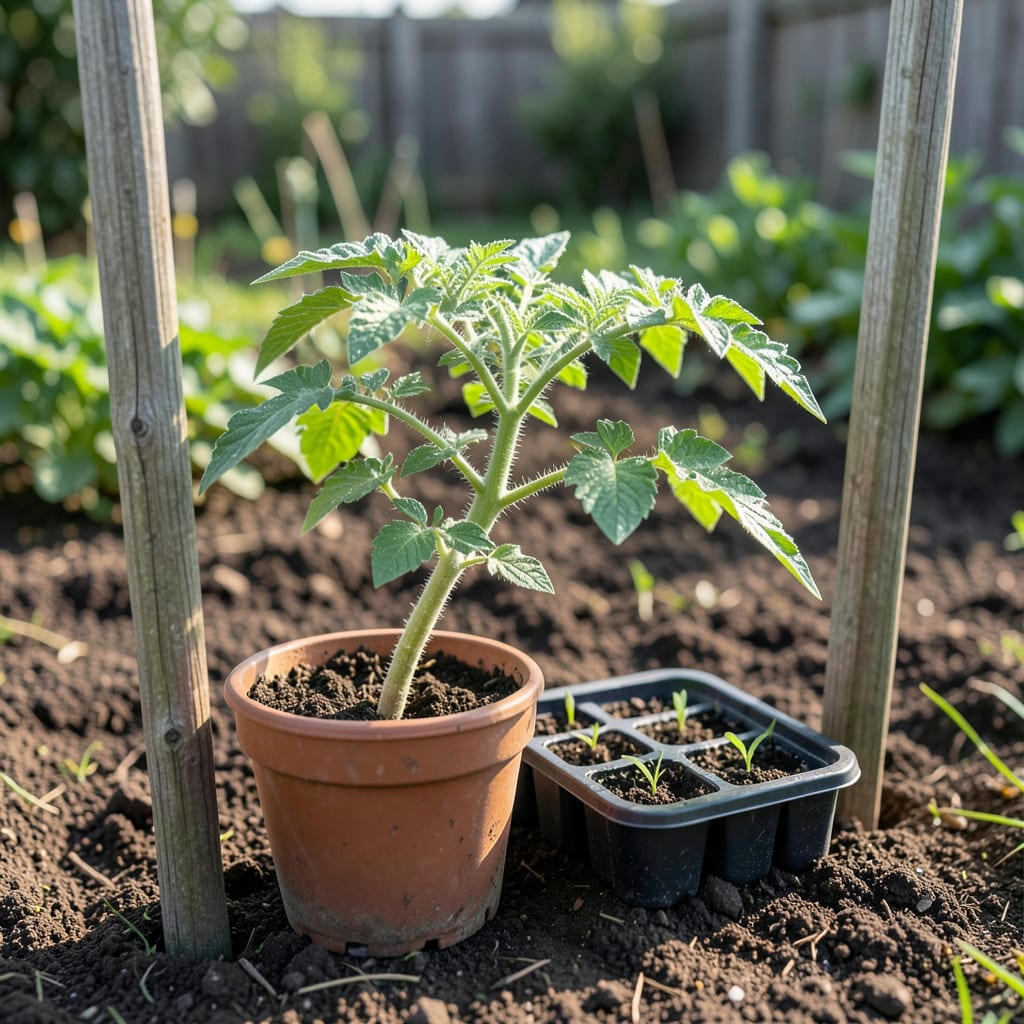
Growing tomatoes 🍅 in Kansas can be a rewarding experience, but timing is everything. Planting at the right moment can mean the difference between a bountiful harvest and a disappointing yield.
In Kansas, where the climate varies across regions, understanding when to plant tomatoes is crucial. I’ll guide you through the best time to plant tomatoes in Kansas, considering factors like frost dates and soil temperature.
Kansas’s diverse climate zones significantly impact tomato planting dates. The state’s geography spans from the humid eastern regions to the semi-arid western areas, creating different growing conditions across the state. Understanding these regional variations is crucial for successful tomato cultivation.
The last frost date is a critical factor in determining when to plant tomatoes. In Kansas, this date varies by region, typically falling between late April and early May. I’ll break down the optimal planting times for different parts of the state.
The soil temperature is another crucial factor for tomato planting. Tomatoes thrive in soil temperatures between 55°F and 70°F. In Kansas, soil temperatures typically reach this range in late spring 🌡️.
Regional climate variations also affect the growing season length. Eastern Kansas has a longer growing season compared to the western regions. This variation impacts the choice of tomato varieties and planting strategies.
For eastern Kansas, gardeners can typically plant tomatoes around April 20 to May 1, when the soil has warmed up and the risk of frost has decreased 🌼.
Central Kansas gardeners should wait until around May 5 to May 15 to plant tomatoes, as this region experiences a slightly cooler climate than the east 🌿.
Western Kansas has a semi-arid climate and a shorter growing season. Gardeners in this region should plant tomatoes around May 15 to May 25, after the last frost date has passed and soil temperatures have risen 🌾.
Understanding these regional differences is key to successful tomato cultivation in Kansas. By planting at the optimal time for your specific region, you can ensure a healthy start for your tomato plants and maximize your harvest 🍅.
It’s also important to consider microclimates within your specific garden. Factors like elevation, soil type, and proximity to large bodies of water can influence local growing conditions.
By combining regional planting times with an understanding of your garden’s microclimate, you can optimize your tomato planting strategy for the best possible results.
Before planting tomatoes in Kansas, it’s essential to prepare your garden properly. This involves several key steps that will help ensure a healthy start for your tomato plants and maximize your harvest.
First, you’ll need to prepare your soil. Tomatoes thrive in well-draining, fertile soil with a pH between 6.0 and 6.8. To achieve this, test your soil to determine its nutrient content and pH level.
Conduct a soil test to determine nutrient levels and pH.
Add organic matter like compost or well-rotted manure to improve soil structure and fertility.
Till the soil to a depth of 8-10 inches to loosen and aerate it.
Next, consider frost protection measures. While the optimal planting time for tomatoes in Kansas is after the last frost date, unexpected late frosts can still occur. Be prepared to protect your plants if necessary 🌟.
Choosing the right tomato varieties is also crucial. Select varieties that are disease-resistant and suitable for the Kansas climate. Some popular options include ‘Better Boy’, ‘Early Girl‘, and ‘Brandywine’.
By following these steps, you’ll be well-prepared to plant tomatoes in your Kansas garden and enjoy a successful harvest 🌼.
Additionally, consider using raised beds or containers to improve soil drainage and warm the soil more quickly in the spring.
Proper garden preparation is key to growing healthy and productive tomato plants in Kansas. By taking the time to prepare your soil and choose the right varieties, you’ll be on your way to a bountiful harvest 🌾.
Growing tomatoes in Kansas requires careful consideration of the state’s climate challenges. To achieve a successful harvest, gardeners must be prepared to manage common issues that arise during the growing season 🌡️.
One of the primary concerns for Kansas tomato growers is heat stress. Tomatoes are sensitive to extreme temperatures, and Kansas summers can be particularly hot 🌞.
To mitigate heat stress, ensure proper watering and consider using shade cloth during the hottest part of the day. This can help reduce temperature fluctuations and prevent damage to your plants 🌿.
Disease prevention is another critical aspect of successful tomato cultivation in Kansas. The state’s humid summers can lead to fungal diseases like early blight and septoria leaf spot 🌟.
To minimize the risk of disease, practice good garden hygiene, remove infected plants, and consider using disease-resistant tomato varieties. Crop rotation is also essential to break disease cycles 🌱.
Maximizing yield is a key goal for tomato growers. In Kansas’s climate, this involves providing optimal growing conditions, including adequate sunlight, consistent moisture, and balanced fertilization 🌼.
By following these tips and being mindful of Kansas’s specific climate challenges, gardeners can enjoy a bountiful tomato harvest. With proper care and attention, tomato plants can thrive in the state’s varying conditions 🌾.
Regular monitoring of your plants is crucial to address any issues promptly. Keep an eye out for signs of stress, disease, or pests, and take action quickly to prevent problems from escalating 🔍.
By combining these strategies, Kansas gardeners can successfully grow delicious and healthy tomatoes, enjoying the fruits of their labor throughout the summer 🍅.
The optimal time varies by region: late April to early May for eastern Kansas, early to mid-May for central Kansas, and mid-to-late May for western Kansas. Check your local frost dates and soil temperature (ideally between 55°F and 70°F) before planting.
Test your soil to determine its nutrient content and pH level. Add organic matter like compost or well-rotted manure to improve soil structure and fertility. Till the soil to a depth of 8-10 inches to loosen and aerate it.
Choose disease-resistant varieties like ‘Better Boy’, ‘Early Girl’, and ‘Brandywine’. These are popular options for Kansas gardeners and can thrive in the state’s varying conditions.
Ensure proper watering and consider using shade cloth during the hottest part of the day. This can help reduce temperature fluctuations and prevent damage to your plants.
