
Beautiful Plants For Your Interior
Beautiful Plants For Your Interior
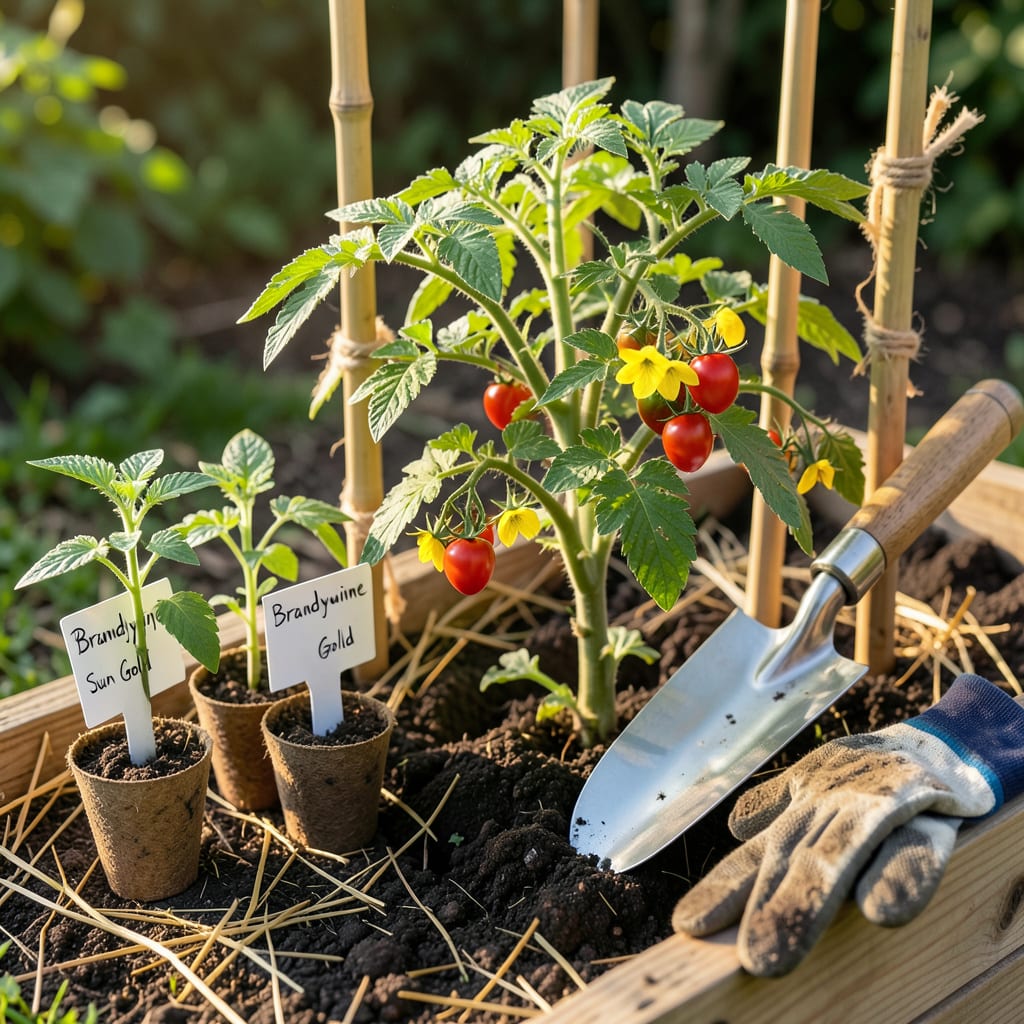
One wrong week can mean the difference between a bumper crop of juicy 🍅 tomatoes and a garden full of disappointment. Illinois gardeners know this struggle all too well – our unpredictable springs make timing everything.
I’ve studied the data from University of Illinois Extension and tested it in my own backyard. Whether you’re in Chicago’s urban heat or southern Illinois’ warmer zones, I’ll show you the perfect planting windows to maximize your harvest. Let’s get this right together.
Illinois isn’t just one climate—it’s three distinct growing zones that can make or break your tomato harvest. From Chicago’s chilly lake effects to Carbondale’s warmer southern air, your planting date isn’t one-size-fits-all. I’ve mapped out the exact windows based on USDA zones and last frost dates.
The secret lies in your soil temperature—tomatoes need consistent 60°F+ to thrive. Northern Illinois gardeners often rush the season, while southern growers sometimes wait too long. Let’s fix that with precise regional timing you can trust.
| Region | USDA Zone | Last Frost Date | Transplant Outdoors | Start Seeds Indoors |
|---|---|---|---|---|
| Northern IL (Chicago) | 5b-6a | May 1-10 | May 15-25 | March 15-25 |
| Central IL (Springfield) | 5b-6b | April 15-25 | May 1-15 | March 1-15 |
| Southern IL (Carbondale) | 6b-7a | April 1-15 | April 15-30 | February 15-28 |
*Data based on 30-year averages from University of Illinois Extension
Northern Illinois gardeners face the biggest challenge with our late frosts. I’ve lost count of how many times I’ve seen excited Chicago gardeners plant in early May, only to watch their tomatoes turn black after a surprise frost. The sweet spot is May 15-25 for transplants—no exceptions.
Central Illinois gets a 2-week head start over the north. If you’re in Springfield or Peoria, your soil warms faster, so aim to transplant by May 10. But watch those unpredictable April showers—they can delay planting by cooling the soil unexpectedly.
Southern Illinois is practically a different state when it comes to tomatoes. Gardeners in Carbondale or Marion can safely plant 4 weeks earlier than Chicago. Your last frost typically comes by April 15, so get those transplants in by late April for an extra-long growing season.
Here’s my pro tip for all regions: Use a soil thermometer—don’t guess! Tomatoes need consistent 60°F soil, not just warm air. I keep mine in the garden toolbox and check daily starting in mid-April. When it hits 60°F at 8am for three days straight, it’s go time.
Urban gardeners in Chicago face unique challenges with the lake effect. Those cool breezes off Lake Michigan can delay soil warming by 1-2 weeks. If you’re within 5 miles of the lake, add 7 days to your planting window. Container gardeners can cheat this by using black pots that absorb heat.
For early varieties like ‘Early Girl’ or ‘Stupice’, you can push the envelope by 3-5 days. But for heirlooms like ‘Brandywine’ that need 90+ days, stick to the later end of your window. I learned this the hard way when my prized heirlooms barely ripened before our first fall frost.
Remember: These dates are averages. Always check your 10-day forecast before planting. I use the National Weather Service’s frost probability maps to double-check. When in doubt, wait—tomatoes planted in warm soil will catch up to early-planted ones that struggle in cold ground.
Your microclimate matters too. South-facing walls, paved driveways, or urban heat islands can create pockets that are 5-10°F warmer. I’ve got a spot next to my garage that’s always 2 weeks ahead of the rest of my garden. Map these hotspots in your yard—they’re gold for tomatoes!
🌱Getting your Illinois soil ready for tomatoes is half the battle. Our state’s clay-heavy soils and unpredictable weather demand special attention. I’ve transformed my own backyard from hardpan clay to tomato paradise using these exact steps—now you can too.
The key is creating a well-draining, nutrient-rich environment that tomatoes crave. Whether you’re dealing with Chicago’s compacted urban soil or southern Illinois’ loamy ground, proper prep makes all the difference in your harvest size and plant health.
Bonus: Urban gardeners should test for lead contamination before planting edibles.
For container gardeners in Chicago or other urban areas, use a mix of 1/3 compost, 1/3 peat moss, and 1/3 vermiculite. I’ve found this blend gives tomatoes the perfect balance of moisture retention and drainage in pots.
The soil temperature trick I swear by: Cover your prepared beds with clear plastic for 2 weeks before planting. This creates a mini greenhouse effect, warming the soil faster than ambient air temps. Remove the plastic when you’re ready to plant.
Don’t overlook organic matter—it’s the secret weapon against Illinois’ heavy soils. I add leaf mold and well-rotted manure every spring. This improves both sandy southern soils and compacted northern clay, creating that perfect loose texture tomatoes love.
Here’s my pro timing tip: Prepare your soil 4-6 weeks before your planned planting date. This gives amendments time to integrate and soil life to activate. Rushing this process is why many Illinois gardeners struggle with stunted plants.
After helping hundreds of Illinois gardeners troubleshoot their tomato woes, I’ve noticed the same three mistakes popping up year after year. These errors can cut your harvest in half or even wipe out your entire crop. Let’s fix them before you put a single plant in the ground.
The good news? Every one of these mistakes has an easy solution. I’ve made (and corrected) all three in my own garden. Now I consistently get 50+ pounds of tomatoes from just 6 plants—without fancy equipment or expensive inputs.
The cold soil mistake is the most devastating because it’s invisible. Your plants might survive but they’ll never thrive. I learned this when my early-planted tomatoes grew to just 2 feet tall while my neighbor’s late-planted ones reached 6 feet and produced triple the fruit.
Chicago gardeners face unique challenges with the lake effect. Those cool breezes can drop temperatures 10°F overnight, even in late spring. I now keep frost blankets handy until June 1—better safe than sorry when you’ve nurtured plants from seeds since March.
Our humid summers create perfect conditions for fungal diseases if you’re not careful. The fix is simple: water deeply but infrequently, and always at the base—never overhead. I switched to drip irrigation and cut my fungal issues by 90% while using less water overall.
🌱Here’s my Illinois-specific pro tip: Our clay soils hold moisture differently than sandy soils. After rain, wait 2 extra days before watering—even if the surface looks dry. Stick your finger in the soil to check. This one change saved my plants during last summer’s record rainfall.
For Chicago and surrounding areas, wait until May 15-25 to transplant outdoors. Our late frosts often linger until mid-May, and soil temps rarely hit the required 60°F before then. Pushing earlier risks stunted growth or frost damage.
Direct sowing isn’t recommended in Illinois. Our short growing season means seeds often don’t mature before fall frosts. Start seeds indoors 6-8 weeks before your last frost date (around March 15-25 for most areas) for best results.
The lake creates a microclimate that delays soil warming by 1-2 weeks. If you’re within 5 miles of Lake Michigan, add 7-10 days to standard planting dates. Use row covers to protect against unexpected lake-effect chills.
For most Illinois regions, plant by June 15 to ensure mature fruit before fall frosts. Choose fast-maturing varieties like ‘Early Girl’ (50-60 days) or ‘Fourth of July’ (49 days) for late plantings. Later than this risks unripe tomatoes at first frost.
Keep frost blankets or old bedsheets handy until early June. For unexpected cold snaps, cover plants before sunset to trap heat. Remove covers by 9am to prevent overheating. Watering soil before frost can also provide slight protection.
