
Beautiful Plants For Your Interior
Beautiful Plants For Your Interior
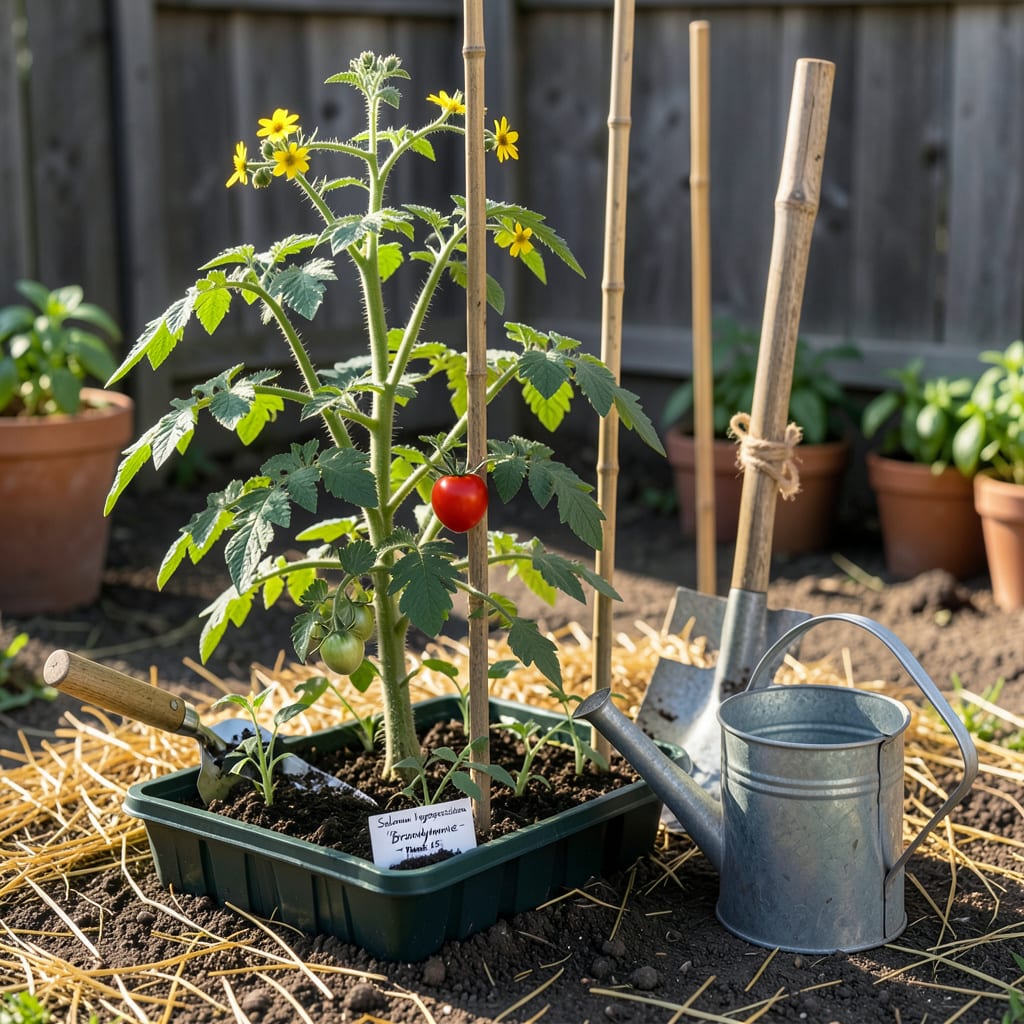
Houston’s heat and humidity make tomato timing tricky—plant too soon, and a late frost could ruin your crop. Wait too long, and the scorching summer sun will bake your plants before they bear fruit.
After years of testing in Zone 9a, I’ve nailed the perfect windows for Houston gardeners. Whether you’re planting in spring or trying a fall harvest, I’ll show you exactly when to get those 🍅 seedlings in the ground for juicy, Texas-sized results.
Houston’s Zone 9a climate gives us two golden windows for tomatoes: spring and fall. But timing is everything—plant too early, and a sneaky frost might nip your seedlings. Wait too long, and the June heatwave will crisp them before fruiting.
I’ve tested dozens of varieties in my Houston garden, and the sweet spot is February 15–March 15 for spring and August 15–September 15 for fall. Let’s break down the exact timing, soil temps, and how to dodge Houston’s gardening pitfalls.
For spring planting, aim to transplant seedlings 2–3 weeks after the last frost (around March 1 in Houston). But here’s the trick: soil temperature matters more than air temp. Use a cheap soil thermometer—tomatoes need 60°F+ to thrive.
If you’re starting from seed indoors, begin 6–8 weeks before transplanting (so late December to early January). I use a heat mat to speed up germination in our cooler winters. For fall tomatoes, start seeds in July or buy transplants by mid-August.
Houston’s clay soil can be a nightmare for tomatoes. Before planting, mix in 3–4 inches of compost and a handful of expanded shale to improve drainage. Raise beds 8–12 inches to avoid waterlogged roots during our sudden downpours.
Watch the 10-day forecast before planting. If nights dip below 50°F, hold off—tomatoes hate cold feet. In fall, have frost blankets ready by November. I lost a whole crop one year to an early freeze!
For container gardeners, you can push the spring window 1–2 weeks earlier since pots warm up faster. Use 5-gallon minimum containers and drip irrigation to combat Houston’s humidity. My patio tomatoes always outperform my in-ground ones!
Pro tip: Plant ‘Heatmaster’ or ‘Solar Fire’ varieties—they’re bred for Texas heat. Avoid ‘Brandywine’ unless you’re okay with tiny yields. And mulch heavily (2–3 inches of straw) to keep roots cool when temps hit 90°F+.
Remember, Houston’s humidity means fungal diseases like early blight are inevitable. Space plants 24–36 inches apart for airflow, and water at the base only (no overhead sprinklers!). I spray copper fungicide preventatively every 2 weeks.
Want to stretch your season? Use 30% shade cloth in summer to protect plants from afternoon sun. I’ve kept tomatoes alive through July this way—just watch for spider mites, which love the shade too!
Finally, mark your calendar for soil prep in January (spring) or June (fall). Test your soil’s pH—tomatoes prefer 6.2–6.8. Our native Houston soil often needs lime to reduce acidity. A little prep now means pounds of tomatoes later! 🌱
Houston’s sweltering summers and humid falls can cut your tomato season short—unless you know these local tricks. After losing entire crops to June heatwaves and early frosts, I’ve perfected ways to squeeze extra weeks (and pounds!) from my plants.
The key? Working with Houston’s climate, not against it. From shade hacks to soil tweaks, these strategies helped me harvest tomatoes into July and start fall plants earlier than most gardeners dare. Here’s how to beat the Texas heat.
For fall tomatoes, start seeds in early July under grow lights. Transplant by August 15—this gives plants 12 weeks to mature before our first frost (usually December 1). I use wall o’ water tepees to protect young transplants from late summer scorchers.
Houston’s humidity means fungal diseases are inevitable. Space plants 3 feet apart and prune lower leaves to improve airflow. Spray copper fungicide every 2 weeks—I mix it with neem oil for extra pest protection. Remove volunteer tomatoes; they often carry diseases.
To push your spring season, pre-warm soil with black plastic mulch in February. This trick lets me plant 2 weeks earlier than neighbors. Just slash holes for transplants and secure edges with garden staples. Remove plastic once temps hit 80°F to avoid overheating roots.
Don’t forget soil prep! Houston’s clay lacks nutrients. Before planting, mix in 3 inches of compost and 1 cup of expanded shale per plant. I also add worm castings for microbial activity—it helps plants bounce back from heat stress. Test soil pH; tomatoes prefer 6.2–6.8.
Finally, succession plant for nonstop tomatoes. In spring, plant early varieties (‘Early Girl’) first, then heat-tolerant types (‘Heatmaster’) 2 weeks later. For fall, choose fast-maturing varieties (‘Bush Early Girl’) to beat frost. With these tricks, I harvest tomatoes 10 months a year in Houston! 🌿
Not all tomatoes thrive in Houston’s Zone 9a heat and humidity. After testing 20+ varieties in my garden, I’ve found the winners—and the flops. The secret? Picking types bred for Texas conditions that laugh at 95°F temps and shrug off fungal diseases.
Houston gardeners need heat-tolerant, disease-resistant varieties that set fruit when others wilt. Avoid finicky heirlooms unless you’re prepared for tiny harvests. Here’s my battle-tested list of top performers—and the ones to skip.
🌱 Pro Tip: For container gardening, try ‘Patio Princess’ or ‘Tiny Tim’—they thrive in 5-gallon pots and handle heat better than most bush varieties.
For spring planting, I swear by ‘Heatmaster’ and ‘Solar Fire’. These hybrids keep producing when temps hit 95°F+, while most varieties drop blossoms. They’re also crack-resistant, which matters in our humid summers when fruit splits easily.
Fall gardeners should focus on fast-maturing types like ‘Bush Early Girl’ (50 days) or ‘Celebrity’ (70 days). These give you a harvest before frost while avoiding summer’s worst heat. Pair them with 30% shade cloth in September for best results.
If you’re growing in containers, ‘Patio Princess’ and ‘Tiny Tim’ are my go-tos. They stay under 3 feet tall but pump out dozens of tomatoes. Use self-watering pots to combat Houston’s drying winds and clay soil drainage issues.
No matter which variety you choose, mulch heavily (3–4 inches of straw) and space plants 3 feet apart. Our humidity guarantees fungal diseases, so prune lower leaves and water at the base only. With the right variety and care, you’ll be swimming in tomatoes—even in Houston’s tough climate! 🌿
Summer planting in Houston is risky due to extreme heat. Tomatoes struggle when temperatures exceed 90°F, often dropping blossoms and failing to set fruit. Stick to spring (Feb–Mar) or fall (Aug–Sep) for best results.
Use frost blankets or wall o’ water tepees to shield seedlings if temps dip below 50°F. For extra protection, add a layer of mulch around the base. Always check the 10-day forecast before planting.
Mix 3–4 inches of compost and 1 cup of expanded shale into the top 12 inches of soil. Raised beds (8–12 inches tall) improve drainage. Test pH—tomatoes prefer 6.2–6.8; add lime if needed.
Use 5-gallon minimum containers with drainage holes. Containers warm up faster, letting you plant 1–2 weeks earlier than in-ground. Move pots to shade when temps hit 95°F+ to prevent heat stress.
Blossom drop is common in Houston’s heat. When temps exceed 90°F (day) or 75°F (night), pollen becomes sterile. Use shade cloth and choose heat-tolerant varieties like ‘Heatmaster’ or ‘Solar Fire’.
