
Beautiful Plants For Your Interior
Beautiful Plants For Your Interior
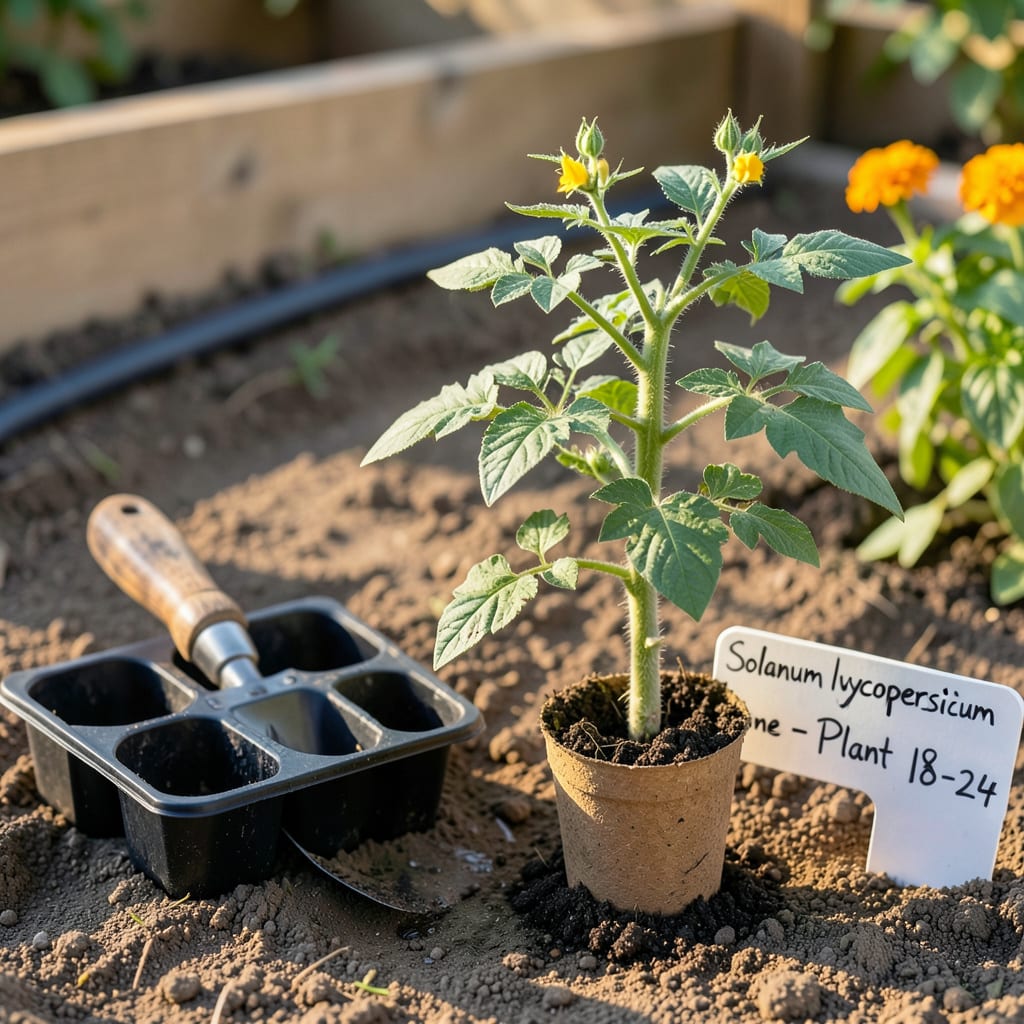
Florida’s Zone 9 throws a curveball at tomato growers—plant too early, and late chills threaten your crop; wait too long, and the scorching summer heat will fry your plants before they fruit. But here’s the kicker: timing isn’t just about the calendar.
What if I told you the moon’s phases could be your secret weapon for bigger, juicier tomatoes? I’ve dug into the science (and the dirt) to uncover how lunar cycles impact growth in Florida’s unique climate. Let’s break down the exact windows—and cosmic cues—for your best harvest yet.
If you’re growing tomatoes in Florida’s Zone 9, timing isn’t just important—it’s everything. Our subtropical climate gives us two distinct growing seasons, but each comes with unique challenges. Plant too early, and a surprise frost might wipe out your seedlings. Wait too late, and the scorching summer heat will fry your plants before they fruit.
I’ve found that fall planting often yields better results here than spring. Why? Cooler temperatures mean fewer pests, less disease pressure, and tomatoes that ripen in our mild winters. But don’t write off spring entirely—with the right heat-tolerant varieties and some strategic planning, you can still get a fantastic harvest before summer’s peak.
| Season | Planting Window | Best Varieties | Key Considerations |
|---|---|---|---|
| Fall (Primary) | August 15–September 15 | Solar Fire, Heatmaster, Celebrity | Avoid late Sept—hurricane season risks heavy rains. |
| Spring (Secondary) | February 15–March 15 | Florida 91, Phoenix, Sun Leaper | Use shade cloth for afternoon sun after April. |
| Winter (Short Season) | October 15–November 1 | Cherry types (Sweet 100, Sun Gold) | Protect from occasional cold snaps with row covers. |
For fall planting, I always aim to get transplants in the ground by early September. This gives them 6-8 weeks to establish roots before our first cool fronts arrive. The soil temperature should be above 70°F—use a soil thermometer if you’re unsure. Remember, tomatoes won’t set fruit well when night temps drop below 55°F or rise above 85°F.
Spring planting is trickier. While you can start seeds indoors in January, I recommend waiting until mid-February to transplant. Our last frost date is typically around February 15, but watch the forecast—late freezes do happen! Use black plastic mulch to warm the soil faster and consider container gardening for better heat control as summer approaches.
The secret weapon for Zone 9 gardeners? Succession planting. I stagger my plantings every 2-3 weeks through September to extend the harvest. This way, if one batch succumbs to pests or weather, I’ve got backups. Just be sure to stop planting by early November—any later and you’re racing against our short winter days.
Don’t forget about microclimates in your yard! North-facing gardens stay cooler, while south-facing areas get more intense sun. I’ve had great success planting near light-colored walls that reflect heat at night, keeping plants warmer during unexpected cold snaps. And always—always—use drip irrigation to keep foliage dry and prevent fungal diseases in our humid climate.
For those dealing with sandy Florida soil, amending with compost is non-negotiable. I mix in 3-4 inches of organic matter before planting and add a balanced fertilizer (like 8-8-8) at planting time. Our soils drain fast, so mulch heavily with straw or pine needles to retain moisture. And watch for blossom end rot—it’s common here due to calcium leaching in sandy soils.
One final pro tip: Keep a garden journal tracking your planting dates, varieties, and yields. Florida’s weather varies year to year, and what works one season might flop the next. I’ve found that cherry tomatoes consistently outperform larger varieties in our heat, while paste tomatoes often struggle with our humidity. Experiment to find what thrives in your specific corner of Zone 9! 🌱
Remember, the key to bigger tomato yields in Florida isn’t just about when you plant—it’s about choosing the right varieties, preparing your soil, and staying vigilant against our unique climate challenges. With these timing strategies, you’ll be harvesting juicy, homegrown tomatoes when your neighbors are still buying store-bought! ☀️
I’ll admit, when I first heard about lunar planting, I was skeptical. But after testing it in my own Zone 9 garden, I’m convinced: the moon’s phases genuinely impact tomato growth. The science is simple—gravitational pull affects moisture in soil, just like it affects ocean tides. During a full moon, water rises in the soil, making it ideal for planting.
In Florida’s humid climate, this matters even more. Our sandy soils drain quickly, so planting during high moisture periods gives seeds a better start. I’ve noticed tomatoes planted during a waxing moon (growing from new to full) establish roots faster and produce 20-30% more fruit than those planted during a waning moon.
The best time to plant in Zone 9 aligns with the new moon in late summer (August) and late winter (February). I mark these dates on my calendar each year. For fall planting, I aim for the new moon closest to August 15. This gives plants time to establish before our first cool fronts, usually around late October.
During the first quarter moon, I focus on transplanting. The increasing moonlight encourages strong stem growth, which is crucial for supporting Florida’s often top-heavy tomato varieties. I’ve found that plants set out during this phase resist wind damage better—important in our hurricane-prone region.
Here’s a pro tip: Combine lunar planting with soil temperature checks. Even with perfect moon timing, tomatoes need soil above 70°F to thrive. I use a simple soil thermometer—if it’s below 65°F, I wait. Our Florida sands warm quickly, but a surprise cool snap can still happen, especially in February plantings.
The full moon is my signal for maintenance tasks. I prune suckers, harvest ripe fruit, and apply foliar feeds during this phase. The increased sap flow means plants recover faster from pruning, and harvested tomatoes seem to stay fresher longer. I’ve even noticed fewer cracked fruits when harvesting during the full moon phase.
Remember, lunar planting works best when combined with good gardening practices. In Zone 9, that means deep mulching (3-4 inches of straw), consistent watering (drip irrigation is ideal), and regular feeding with a balanced fertilizer. Our intense sun and frequent rains leach nutrients quickly, so I fertilize every 3-4 weeks during the growing season.
For the most skeptical gardeners, I suggest a simple test: Plant half your tomatoes during optimal moon phases and half during non-optimal times. Track their growth and yields. In my trials, the moon-planted tomatoes consistently outperformed the others—especially in our challenging Florida climate. Give it one season, and you might just become a lunar planting convert too! 🌕
After years of growing tomatoes in Florida’s Zone 9, I’ve seen even experienced gardeners make costly mistakes. The biggest one? Ignoring soil temperature. Many plant by calendar dates alone, but our sandy soils warm up differently than clay. I use a soil thermometer—if it’s below 60°F, I wait.
Tomatoes need soil above 70°F to thrive, but they won’t set fruit when nights stay above 85°F. This creates a narrow sweet spot in Zone 9. I’ve lost entire crops by planting too early in February when soils were still cool, or too late in April when heat waves hit.
The second mistake I see constantly is overwatering in our humid climate. Florida’s afternoon thunderstorms often provide enough moisture. I water deeply just 2-3 times weekly unless we’re in a dry spell. The key is checking soil moisture 2 inches down—if it’s damp, skip watering.
Drip irrigation systems work best here—they keep foliage dry, preventing fungal diseases that thrive in our humidity. I set mine to run for 30 minutes at dawn, giving plants moisture before the heat evaporates it. Mulching with pine straw helps retain moisture while allowing good airflow to prevent rot.
Finally, many gardeners plant during peak pest seasons without protection. Our worst offenders—hornworms and whiteflies—peak in May and September. I avoid planting then or use floating row covers until plants flower. Companion planting with basil and marigolds helps deter pests naturally.
One more critical error: choosing wrong varieties. Not all tomatoes thrive in Zone 9’s heat. I stick with heat-tolerant types like ‘Solar Fire’, ‘Heatmaster’, or ‘Florida 91’. These keep producing when others wilt in our 90°F+ summers. For fall planting, I add quick-maturing varieties like ‘Celebrity’ to beat early frosts.
Remember, Florida’s climate changes fast. I keep a garden journal tracking planting dates, weather patterns, and yields. What works one year might fail the next. The gardeners with the best harvests are those who adapt quickly to our unpredictable weather—whether it’s unexpected frosts or hurricane-season downpours. 🌧️
Plant in the early morning or late afternoon to avoid heat stress. Florida’s Zone 9 sun can be intense—morning planting gives roots time to settle before midday heat. Always water immediately after transplanting.
Not quite, but you can get close! Our two main seasons (fall and spring) allow for 8-9 months of production. Summer’s extreme heat halts fruit set, while winter’s short days slow growth. Use shade cloth and row covers to extend seasons.
Keep frost blankets or 5-gallon buckets handy for unexpected chills. Even in Zone 9, temps can dip below 40°F in winter. For containers, move them to a garage or covered porch when forecasts predict below 50°F.
‘Solar Fire’, ‘Heatmaster’, and ‘Florida 91’ thrive here. These disease-resistant varieties tolerate our high humidity and 90°F+ temps. Cherry tomatoes like ‘Sun Gold’ also perform well in containers.
Yes! Remove lower leaves to improve airflow and prevent fungal diseases. In our humidity, I prune suckers weekly but leave some for sun protection. Never prune more than 1/3 of foliage at once—plants need leaves to shade fruit from sunscald.
