
Beautiful Plants For Your Interior
Beautiful Plants For Your Interior
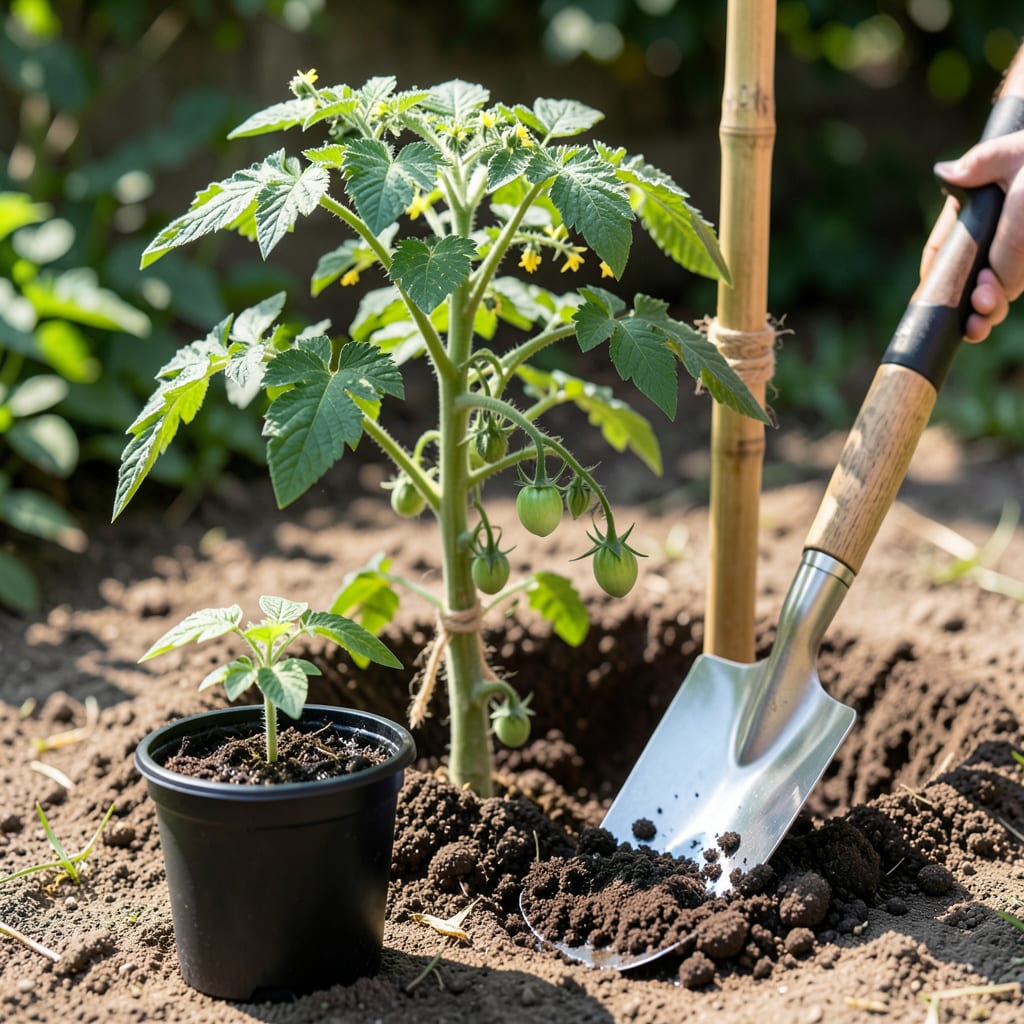
Nothing beats the taste of a homegrown 🍅 tomato still warm from the Connecticut sun—unless you plant too early and lose everything to frost. I’ve seen eager gardeners rush their seedlings into cold soil, only to watch them wilt overnight.
But here’s the good news: with the right timing, you can avoid those heartbreaking mistakes. In this guide, I’ll show you exactly when to get those tomatoes in the ground for a bigger, juicier harvest—without gambling on Connecticut’s unpredictable spring weather.
If you’ve ever wondered why your neighbor’s tomatoes thrive while yours struggle, the answer often comes down to timing and location. Connecticut’s climate varies dramatically from the coastal areas near Long Island Sound to the hilly inland regions of Litchfield County.
In my years of gardening here, I’ve learned that soil temperature—not just air temperature—is the real secret. Tomatoes need consistent soil temps of 60°F+ to avoid stunted growth. That’s why I always check with a soil thermometer before planting.☀️
| Region | Last Frost Date | Safe Planting Window | Recommended Varieties |
|---|---|---|---|
| Coastal (New Haven, Groton) | April 15–25 | April 25–May 10 | ‘Early Girl’, ‘Siletz’ |
| Central (Hartford, New Britain) | April 25–May 5 | May 5–May 20 | ‘Jet Star’, ‘Celebrity’ |
| Inland (Litchfield, Torrington) | May 1–10 | May 15–June 1 | ‘Mountain Merit’, ‘Brandywine’ |
Pro Tip: Use black plastic mulch to warm soil 2–3 weeks earlier in cooler zones!
I’ve found that inland gardeners often rush planting after a warm April spell—only to lose plants to a late frost. Trust me, it’s worth waiting until soil temps hit 60°F at a 4-inch depth. A $10 soil thermometer saves heartache (and replanting costs).
For coastal areas, the Long Island Sound acts like a giant heat sink, moderating temperatures. That means you can plant 7–10 days earlier than inland. But watch for salt spray if you’re within a mile of the shore—it can burn young plants.
If you’re growing heirloom tomatoes like ‘Brandywine’, they need extra warmth. I start these indoors 8 weeks before transplanting and use wall-o’-water tepees for early outdoor protection. Hybrid varieties like ‘Early Girl’ tolerate cooler soils better.
Here’s a trick I swear by: Plant tomatoes in the evening on a cloudy day. This reduces transplant shock by giving roots time to settle before facing midday sun. Pair this with a seaweed-based transplant solution for best results.
Don’t forget microclimates! A south-facing slope in your yard might be 5–7°F warmer than a low-lying area. I use a cheap outdoor thermometer to track these spots—it’s how I get ripening tomatoes by July 4th in Zone 6b.
For container gardeners, you can push dates earlier since pots warm faster. Just move containers to sheltered spots if frost threatens. I’ve grown ‘Tiny Tim’ tomatoes in 5-gallon buckets on my deck starting April 20 with row cover protection.
Remember, CT’s first frost typically hits October 10–20. To maximize harvest, I plant fast-maturing varieties like ‘Stupice’ (55 days) alongside my ‘Beefsteaks’ (85 days). This staggers production so I’m not overwhelmed with ripe fruit all at once.🌱
If you’ve ever felt like Connecticut’s growing season is just too short for those juicy, sun-ripened tomatoes, you’re not alone. Luckily, I’ve found three foolproof ways to stretch the season—whether you’re in coastal Fairfield County or the cooler Litchfield Hills. The key? Start early and protect late.
First, consider black plastic mulch to warm your soil faster in spring. This simple trick can raise soil temps by 5–10°F, letting you plant 1–2 weeks earlier than bare soil. Pair it with row covers or cloches to shield young plants from unexpected late frosts—common in CT’s unpredictable springs.
For those in Zone 6b (most of CT), I swear by ‘Early Girl’ tomatoes—they’re ready in 50–60 days and thrive in our climate. If you’re near the Long Island Sound, your microclimate might let you plant a week earlier than inland gardeners. Always check your local soil temp with a thermometer!
Don’t forget about succession planting. Stagger your plantings by 2 weeks—start with early varieties, then add mid-season types like ‘Celebrity’ or ‘Better Boy’. This ensures a steady harvest from July through September, even if summer heat waves or rain delays throw off your schedule.
If you’re really pushing the season, container gardening is your friend. Use 5-gallon buckets or fabric pots to move plants indoors during early fall frosts. I’ve kept my ‘Cherry Tomatoes’ producing until mid-October this way—just bring them inside when temps dip below 50°F at night.
Finally, extend the harvest by pinching off new flowers in late August. This directs energy to ripening existing fruit before the first frost (typically mid-October in CT). Pair this with a light row cover to add 2–3 weeks of growing time. Trust me, those extra sun-gold cherries are worth it!
Even experienced gardeners in Connecticut can mess up tomato planting. The biggest blunder? Ignoring soil temperature. I’ve seen folks rush to plant in early April, only to lose seedlings to chilly 50°F soil. Wait until soil hits 60°F—it’s non-negotiable.☀️
Another classic error is misjudging microclimates. Coastal areas near Long Island Sound warm up faster than the Litchfield Hills. If you’re in New Haven, you might plant a week earlier than gardeners in Northwest CT. Always check your USDA Zone (CT spans 6a–7a).🌡️
Quick fix: Use a soil thermometer and cover young plants with floating row covers if late frosts threaten.
Don’t overlook variety selection either. Planting a late-season ‘Brandywine’ in Zone 6a? You might get only a handful of tomatoes before frost. Stick with early-maturing varieties like ‘Early Girl’ or ‘Stupice’ for reliable harvests. I learned this the hard way after losing half my crop one year!🌱
Poor spacing is another silent killer. Crowding tomatoes limits airflow, inviting fungal diseases like blight. Give indeterminate varieties at least 24–36 inches apart. Determinate types can handle 18–24 inches, but don’t push it. Use cages or trellises to save space vertically.
Finally, skipping soil prep is a recipe for disappointment. CT’s soil tends to be acidic and clay-heavy. Amend with compost and a balanced fertilizer (10-10-10) before planting. A pH test is worth it—tomatoes thrive in 6.0–6.8 pH. Trust me, your plants will thank you with juicier fruit!🪴
For best results, plant by early June to ensure full maturity before fall frosts. Varieties like ‘Early Girl’ can be planted as late as June 15 in coastal areas, but later plantings risk smaller harvests. Always check your first frost date (typically mid-October in CT).
Planting before soil reaches 60°F stunts growth and invites disease. Cold soil (below 50°F) prevents root development, while late frosts (common until May 10 inland) can kill seedlings. Coastal gardeners have slightly more flexibility, but April plantings still risk frost damage.
Outdoors? No—CT’s winters are too harsh. But you can extend the season with greenhouses or high tunnels (harvest until November). For true year-round growth, try indoor hydroponics with grow lights. Most gardeners stick to the May–September outdoor window for best results.
Choose early-maturing varieties like ‘Stupice’ (55 days) or ‘Glacier’ (58 days) for reliable harvests. Late-season giants like ‘Brandywine’ (90 days) often fail to ripen fully in Zone 6a. Check the “days to maturity” label—aim for 70 days or less for safest bets.
Use floating row covers for frost protection (remove on warm days). Wall-o’-water tepees add 10°F of warmth. For containers, move plants to sheltered spots during cold snaps. Always harden off seedlings for 7–10 days before transplanting. A $20 frost blanket can save hundreds in lost plants!
