
Beautiful Plants For Your Interior
Beautiful Plants For Your Interior
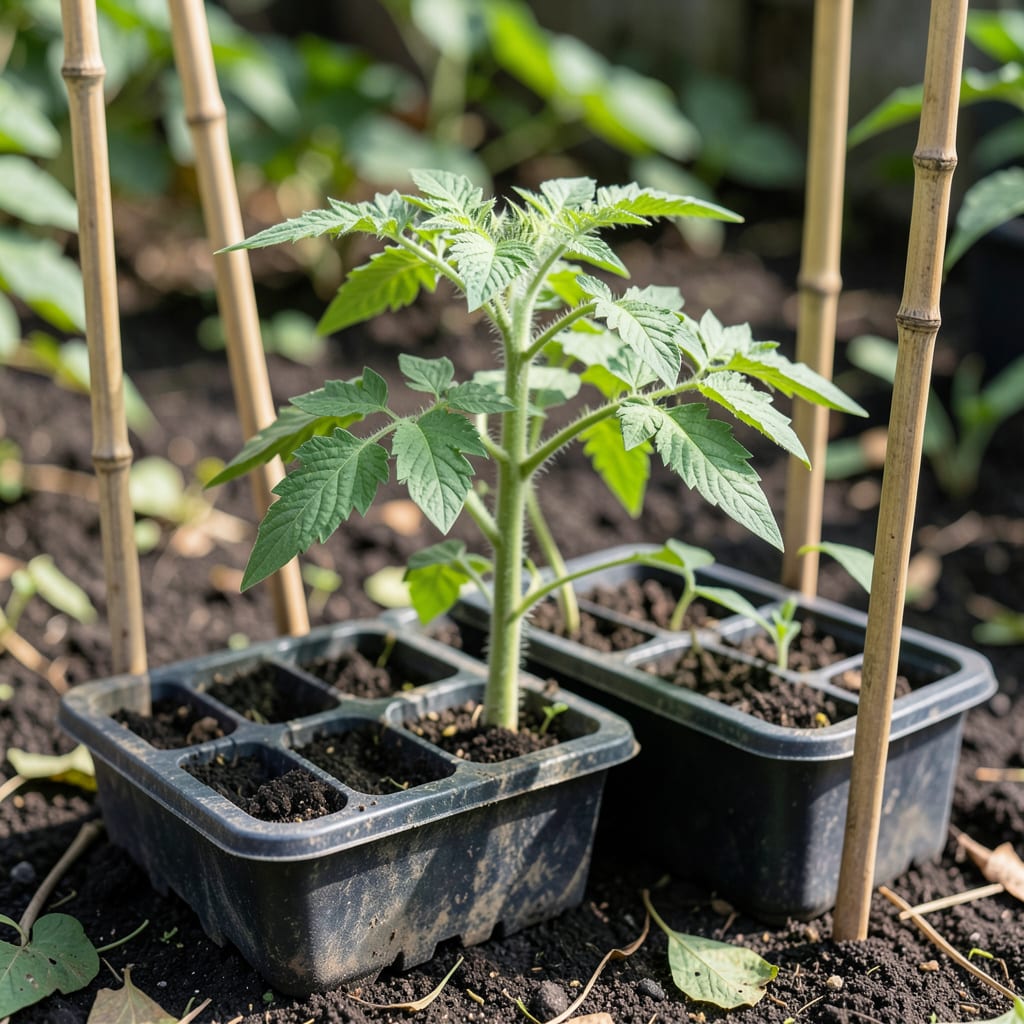
Growing tomatoes 🍅 in Colorado can be challenging due to its unique climate and elevation variations. Timing is everything – plant too early, and frost might damage your crop.
I’ll guide you through the best time to plant tomatoes in Colorado, considering factors like frost dates and soil temperature, so you can enjoy a bountiful summer harvest in the Centennial State.
Colorado’s diverse geography means that the best time to plant tomatoes varies significantly across different regions. The state’s climate ranges from semi-arid plains to high mountain elevations, each with its unique challenges and optimal planting times.
Understanding these regional variations is crucial for successful tomato cultivation. Let’s examine the planting times for different areas of Colorado, focusing on frost dates and soil temperature.
The Front Range, which includes cities like Denver and Boulder, typically experiences its last frost date around May 15th to May 20th. It’s generally recommended to plant tomatoes after this date when the soil has warmed up to at least 55°F (13°C).
In the Mountain Valleys, such as Grand Junction, the last frost date is usually earlier than the Front Range, occurring around May 1st to May 10th. This allows for earlier planting, typically in early to mid-May.
The High Plains region, including areas like Fort Collins, tends to have a later last frost date, often around May 20th to May 25th. Planting should be delayed until late May to ensure optimal conditions and to avoid potential frost damage.
Soil temperature is another critical factor. Tomatoes thrive when the soil temperature is between 60°F (15°C) and 70°F (21°C). Using a soil thermometer can help you determine the optimal planting time based on soil conditions.
By considering both frost dates and soil temperature, Colorado gardeners can choose the best time to plant tomatoes in their specific region, setting the stage for a successful growing season.
For more detailed information on frost dates and soil temperature monitoring, gardeners can consult local gardening resources or extension services for the most up-to-date advice tailored to their specific location.
Successful tomato cultivation in Colorado requires careful planning and attention to regional climate variations. By understanding the unique conditions of your area, you can maximize your chances of a bountiful tomato harvest.
Whether you’re gardening in the Front Range, Mountain Valleys, or High Plains, timing your tomato planting correctly is key to enjoying a productive and rewarding growing season.
Colorado’s unique climate presents several challenges for tomato cultivation. Understanding these factors is crucial for successful planting and a bountiful harvest. I’ll explore how elevation, frost dates, and soil temperature impact tomato planting success across different regions of the state.
Elevation plays a significant role in determining the optimal planting time for tomatoes in Colorado. The state’s varied topography means that temperature and frost patterns can differ substantially between lower valleys and higher mountain areas.
Colorado’s last frost dates vary by region: May 1-10 in Mountain Valleys, May 15-20 in Front Range, and May 20-25 in High Plains. Plant tomatoes after these dates for best results.
The last frost date is a critical factor in determining when to plant tomatoes. In Colorado, this date varies significantly across different regions. For the Front Range, which includes cities like Denver and Boulder, the last frost date typically falls between May 15th and May 20th. In contrast, the Mountain Valleys, such as Grand Junction, experience their last frost earlier, usually around May 1st to May 10th. The High Plains region, including areas like Fort Collins, tends to have a later last frost date, often between May 20th and May 25th.
Soil temperature is another crucial element for successful tomato planting. Tomatoes thrive when the soil temperature is between 60°F (15°C) and 70°F (21°C). Using a soil thermometer can help gardeners determine the optimal planting time based on soil conditions. It’s generally recommended to wait until the soil has warmed up to at least 55°F (13°C) before planting tomatoes.
By understanding and monitoring these factors, Colorado gardeners can make informed decisions about when to plant tomatoes, maximizing their chances of a successful and productive growing season.
To further optimize tomato cultivation, gardeners should also consider factors such as variety selection, soil preparation, and frost protection methods. Choosing tomato varieties that are well-suited to Colorado’s climate and elevation can significantly impact the success of the crop.
Proper soil preparation, including adding organic matter and ensuring good drainage, can help create an ideal growing environment for tomatoes. Additionally, being prepared to protect young plants from unexpected late frosts can make a significant difference in the overall health and productivity of the tomato crop.
By combining knowledge of regional climate factors with best practices for tomato cultivation, Colorado gardeners can enjoy a bountiful harvest of delicious homegrown tomatoes 🌟.
Growing tomatoes in Colorado requires careful planning and attention to detail. To achieve a bountiful harvest, it’s essential to understand the specific needs of tomato plants in the state’s unique climate 🌟.
Here are some expert tips for successful tomato cultivation in Colorado:
Select tomato varieties that are resistant to common Colorado diseases and have a maturity date that fits your growing season. Look for varieties with cold tolerance and drought resistance to handle Colorado’s climate fluctuations.
Tomatoes need well-draining soil rich in organic matter. Add compost or well-rotted manure to improve soil structure and fertility. Ensure your soil has a pH between 6.0 and 6.8 for optimal tomato growth.
Use row covers or frost blankets to protect young tomato plants from unexpected late frosts. Be prepared to cover your plants if frost is predicted 🌟.
By following these tips, Colorado gardeners can significantly improve their chances of a successful tomato harvest.
Successful tomato cultivation in Colorado is all about being prepared and adapting to the state’s unique climate conditions. With the right variety selection, soil preparation, and frost protection methods, you can enjoy a bountiful harvest of delicious homegrown tomatoes 🍅.
For more detailed information on tomato cultivation in Colorado, consult local gardening resources or extension services for the most up-to-date advice tailored to your specific location.
The best time varies by region: late May to early June for the Front Range, early to mid-May for Mountain Valleys, and late May for High Plains. Always check your specific area’s last frost date before planting tomatoes.
Tomatoes thrive when soil temperature is between 60°F (15°C) and 70°F (21°C). Use a soil thermometer to check the temperature. It’s generally recommended to wait until the soil has warmed up to at least 55°F (13°C) before planting.
Planting tomatoes too early can expose them to frost damage. Colorado’s last frost dates vary by region, so it’s crucial to wait until after this date. Use row covers or frost blankets if you need to protect young plants from unexpected late frosts.
Yes, choose tomato varieties that are resistant to common Colorado diseases and have a maturity date that fits your growing season. Look for varieties with cold tolerance and drought resistance to handle Colorado’s climate fluctuations.
