
Beautiful Plants For Your Interior
Beautiful Plants For Your Interior
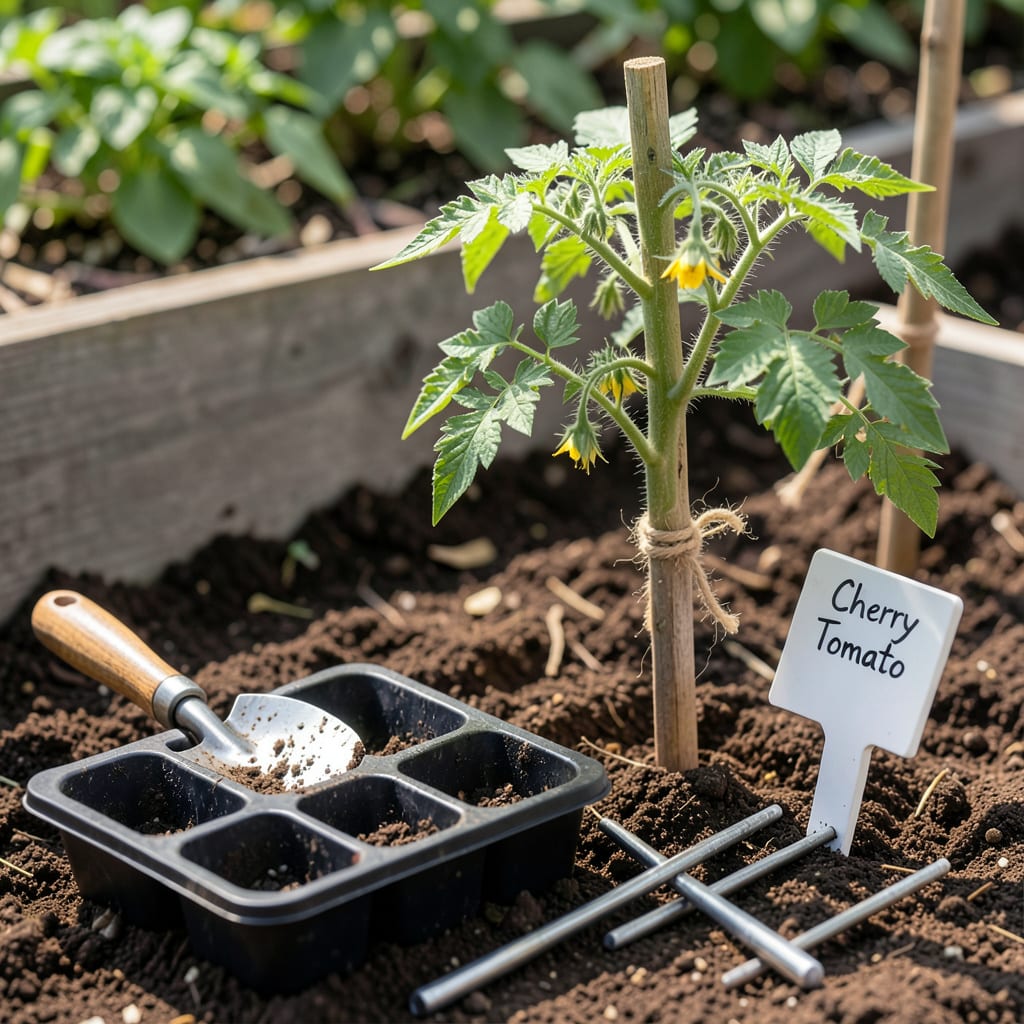
Central Florida’s heat can turn tomato dreams into wilted disappointments—unless you nail the timing. I’ve seen too many gardeners plant in summer’s peak, only to watch their 🍅 crops fry before fruiting. The secret? Two strategic windows that dodge the worst of the scorching season.
Here’s the good news: you don’t need a green thumb, just the right calendar. We’ll break down the exact months to plant for juicy harvests, which heat-loving varieties thrive, and how to outsmart Florida’s unpredictable weather. Let’s get your tomatoes off to a bulletproof start.
If you’ve ever tried growing tomatoes in Central Florida, you know our USDA Zone 9b climate throws curveballs. The key? Timing your planting to dodge the scorching summer heat and humidity spikes. I’ve tested this firsthand—plant too late, and your tomatoes will fry before they fruit.
Central Florida’s frost-free winters and long growing season actually give us two prime planting windows: a fall crop (my personal favorite) and a spring crop. But the secret is avoiding the June–September inferno, when temps soar above 90°F and humidity feels like a sauna.
| Season | Planting Window | Harvest Timeframe | Key Notes |
|---|---|---|---|
| Fall (Best!) | Late August–September | November–January | Avoid hurricane season; use heat-tolerant varieties |
| Spring | January–February | April–May | Plant early to beat summer heat; watch for late frosts |
| Avoid | June–September | — | Blossom drop and sunscorch risk too high |
Source: UF/IFAS Extension guidelines for Zone 9b
For fall planting, I swear by the August 15–September 15 sweet spot. This lets plants establish roots before cooler weather kicks in. My ‘Solar Fire’ tomatoes thrived last fall with this timing—zero blossom drop and fruit that ripened perfectly by Thanksgiving.
The spring window is trickier. Aim for late January to early February to harvest before temperatures climb. Pro tip: Use shade cloth (30–40%) by April to protect plants. I lost a whole crop one year by planting in March—the 95°F days fried my plants before they fruited.
Central Florida’s sandy soil drains fast, so amend with compost or peat moss before planting. I mix in 2–3 inches of organic matter and a balanced fertilizer (10-10-10) at planting. For container gardening, use 5-gallon pots minimum—tomatoes need room to grow!
Watch the 10-day forecast before planting. If nights dip below 50°F, hold off—tomatoes hate cold snaps. Last February, I covered my transplants with frost blankets during a rare chill and saved my crop. A little prep goes a long way in our unpredictable weather.
For determinate varieties (like ‘Roma’), stick to the spring window—they produce fast and avoid heat stress. Indeterminate types (‘Cherokee Purple’) do better in fall since they keep producing as temps drop. I’ve had indeterminate plants yield until Christmas in mild winters!
Don’t forget mulch—it’s a game-changer. I use straw or pine bark to keep soil moist and cool. In summer, mulch can drop soil temps by 10°F, which reduces stress. Pair this with drip irrigation (water at sunrise) to prevent fungal issues in our humid air.
Finally, scout for tomato yellow leaf curl virus (TYLCV), a Florida-specific threat. It spreads via whiteflies, so I plant ‘Tygress’ or ‘Volgograd’ varieties—both resist TYLCV. If you spot curled leaves, remove infected plants immediately to save your crop.
Timing + variety selection = your best defense against Central Florida’s challenges. Stick to these windows, and you’ll be swimming in homegrown tomatoes while your neighbors wonder why theirs failed. Trust me, I’ve learned the hard way—so you don’t have to! 🌿
Central Florida’s humid subtropical climate demands tomatoes bred to handle the heat. Not all varieties can survive our 90°F+ summers or resist the diseases that thrive in warm, wet conditions. After testing dozens, I’ve narrowed it down to the top performers for our zone.
Look for varieties labeled “heat-tolerant”, “disease-resistant”, or “Florida-adapted”. These have been bred to set fruit even when nights stay above 75°F—a common issue that causes blossom drop in standard varieties. My go-to picks combine flavor, productivity, and resilience.
| Variety | Type | Days to Maturity | Heat Tolerance | Disease Resistance |
|---|---|---|---|---|
| Solar Fire | Indeterminate | 70 days | Excellent | Fusarium, Verticillium |
| Heatmaster | Determinate | 80 days | Superior | TYLCV, Early Blight |
| Florida 91 | Determinate | 75 days | High | Fusarium, Nematodes |
| Tygress | Indeterminate | 72 days | Very High | TYLCV, Whiteflies |
| Bella Rosa | Semi-Determinate | 70 days | Good | Fusarium, Crack-Resistant |
Source: UF/IFAS Extension trials for Zone 9b
For fall planting, I recommend ‘Solar Fire’ or ‘Tygress’—both power through our late-season humidity and resist tomato yellow leaf curl virus (TYLCV). Last year, my ‘Solar Fire’ plants produced until December with minimal pest issues.
If you prefer determinate varieties (compact, bush-type), ‘Heatmaster’ and ‘Florida 91’ are your best bets. They’re bred for Florida’s conditions and handle our sandy soil better than most. I’ve had great luck with ‘Florida 91’ in containers—just add extra compost for moisture retention.
For cherry tomatoes, ‘Sweet 100’ and ‘Sun Gold’ are classic choices, but they’ll need afternoon shade by May. I grow mine under 30% shade cloth starting in April to prevent sunscald. The trade-off? Fewer fruits but consistent production through early summer.
Pro tip: Buy transplants from local nurseries like Lake Jem Farms or Green Isle Gardens. They carry varieties already acclimated to our climate. If starting from seed, begin 6–8 weeks before your target planting date and use a heat mat to speed germination.
No matter which variety you choose, mulch heavily with straw or pine bark to keep roots cool. I’ve found this simple step can boost yields by 20–30% in our heat. Pair it with drip irrigation (water at sunrise) to keep foliage dry and prevent fungal diseases.
Finally, rotate your crops yearly to prevent soil-borne diseases. I map my garden each season to avoid planting tomatoes (or peppers/eggplants) in the same spot more than once every 3 years. This one habit has nearly eliminated my fusarium wilt issues. 🌿
Even with perfect timing, some common mistakes can derail your Central Florida tomato crop. I’ve made (and fixed) them all—so you don’t have to. The biggest culprit? Planting too late in spring, which sends your plants straight into summer’s brutal heat before they fruit.
Another silent killer is ignoring our sandy, nutrient-poor soil. Tomatoes need rich, moisture-retentive ground to thrive, but most Florida gardeners skip this step. Let’s dive into the top 3 pitfalls and how to sidestep them for a bumper harvest.
Source: UF/IFAS Extension tomato trials
The #1 mistake I see is planting in March or later. By May, your plants hit the 90°F+ wall, and flowers drop before fruiting. I learned this the hard way—my March-planted ‘Celebrity’ tomatoes produced zero fruit one summer. Now I plant by February 15 max.
Central Florida’s sandy soil is like a sieve—water and nutrients wash right through. The fix? Before planting, work in 2–3 inches of compost and a balanced fertilizer (10-10-10). For containers, use a potting mix with vermiculite to hold moisture. My yields doubled after I started amending my raised beds this way.
Don’t underestimate the power of shade. By April, even heat-tolerant varieties need protection. I use 30–40% shade cloth on hoops over my plants. Last year, my shaded ‘Solar Fire’ tomatoes outproduced unshaded plants by 30%. Bonus: Shade cloth also deters whiteflies, which spread viruses.
Finally, watering mistakes wreck havoc. Avoid overhead watering—it spreads fungal diseases in our humid air. Instead, use drip irrigation on a timer (set for 6 AM). I lost plants to early blight until I switched to drip lines. Now my foliage stays dry, and yields stay high. 💧
Fall planting avoids the scorching summer heat that causes blossom drop. The August–September window lets plants establish roots before cooler weather, leading to harvests from November–January. It’s also less risky for heat-sensitive varieties.
Use 5-gallon pots minimum with well-draining soil. Amend with compost or peat moss to retain moisture in our sandy climate. Place containers where they’ll get 6–8 hours of sun daily, and water every 1–2 days.
Planting too late in spring is the top error. By March, temps climb fast, and flowers drop before fruiting. Stick to January–February for spring crops. Also, skipping soil amendments in our sandy soil starves plants of nutrients.
Use 30–40% shade cloth by April to block intense sun. Mulch with straw or pine bark to cool roots, and water at sunrise via drip irrigation. Heat-tolerant varieties like ‘Solar Fire’ also handle stress better.
Yes! Tomato yellow leaf curl virus (TYLCV) spreads via whiteflies and thrives in our climate. Plant resistant varieties like ‘Tygress’ or ‘Volgograd’. Also, watch for early blight—use drip irrigation to keep foliage dry.
