
Beautiful Plants For Your Interior
Beautiful Plants For Your Interior
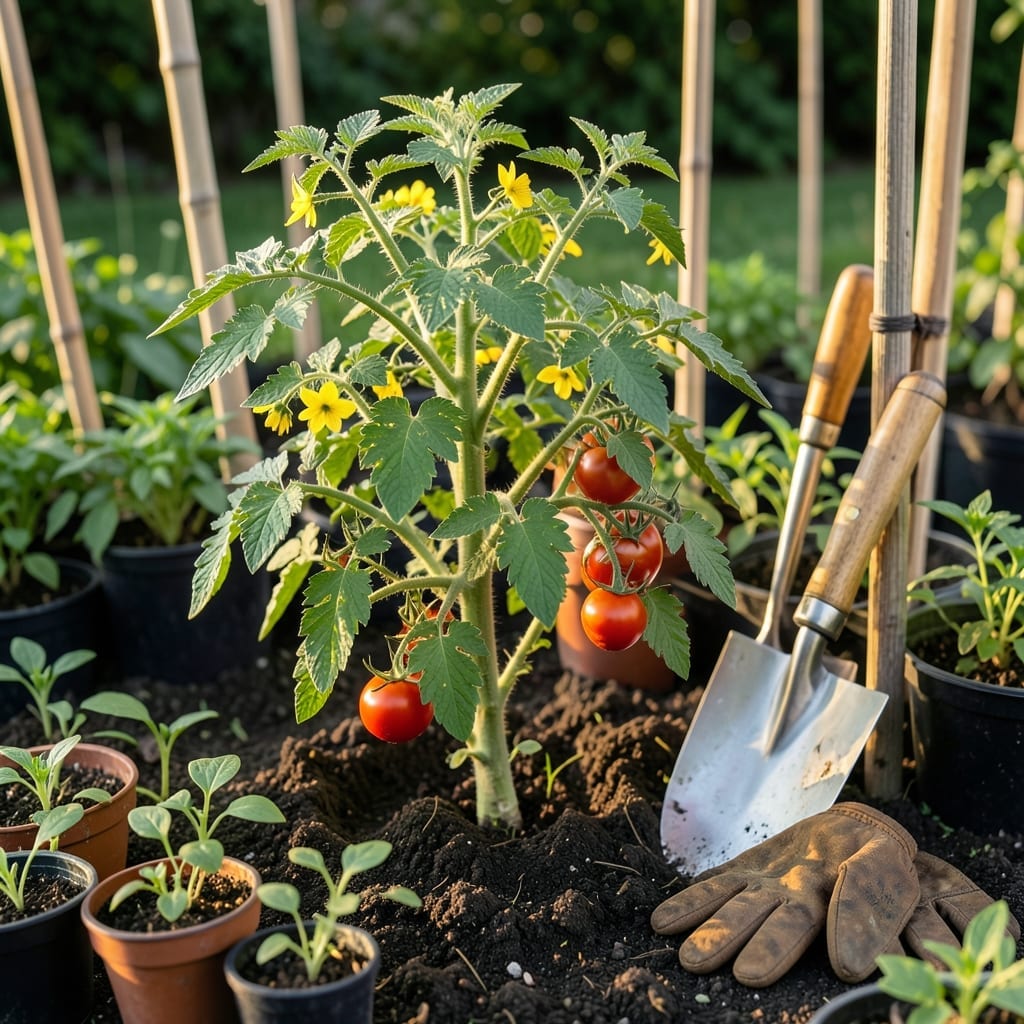
Timing is everything when it comes to growing 🍅 Tomato in Canada’s diverse climate. Plant too early, and frost can wipe out your crop; too late, and you’ll miss the prime window.
From zones 3-7, the planting window of May to June offers the best chance for success. But how do you know when your specific area is ready?
I’ll share the regional nuances and frost date considerations that most gardeners overlook. These details make the difference between a thriving harvest and a disappointing season.
Discover how to align your planting schedule with local conditions and set your tomatoes up for success from the very start.
Planting tomatoes in Canada requires precise timing to avoid frost damage and maximize your growing season. The country spans zones 3-8, each with unique last frost dates that dictate when it’s safe to plant.
In cooler zones like Newfoundland or Labrador (zone 3-4), wait until late May or even early June. Warmer regions like Southern Ontario or BC’s coast (zone 7-8) can start mid-May after the last frost.
| Zone | Planting Window | Last Frost Date | Recommended Varieties |
|---|---|---|---|
| 3-4 | Late May – Early June | May 20 – June 1 | Early varieties (50-60 days) |
| 5-6 | Mid-May – Early June | May 10-20 | Mid-season (60-75 days) |
| 7-8 | Early-Mid May | April 20 – May 10 | Late varieties (75-90 days) |
I always remind gardeners that soil temperature is just as critical as air temperature. Tomatoes need soil at least 60°F (15°C) to thrive. Use a soil thermometer to check before planting.
Urban areas often have microclimates that are 1-2 weeks warmer than rural zones. If you’re in Toronto or Vancouver, you might plant 1-2 weeks earlier than surrounding areas.
For early harvests, start seeds indoors 6-8 weeks before your last frost date. This gives young plants a head start, especially in short-season zones like the Prairies.
In zone 3, I’ve had success with ‘Sub-Arctic Plenty’ and ‘Stupice’—both mature in 50-55 days. These cold-tolerant varieties are perfect for Alberta or Saskatchewan gardeners.
If you’re in zone 7, like Victoria or Niagara, you can experiment with heirloom varieties like ‘Brandywine’ or ‘Beefsteak’. These need 80-90 days but reward you with rich flavors.
Always harden off your seedlings for 7-10 days before transplanting. This acclimates them to outdoor conditions and reduces shock. I place mine outside for increasing hours each day, starting in shade.
Monitor local weather forecasts closely. A late frost can sneak up even in May. I keep frost blankets handy just in case. Row covers can also add 2-4°F of warmth on chilly nights.
Remember, container gardening is a great option if your growing season is short. Cherry tomatoes like ‘Tiny Tim’ or ‘Sweet 100’ do well in pots and can be moved indoors if needed.
☀️
In Canada’s shorter growing seasons, I’ve found that starting tomato seedlings indoors gives you a 4-6 week head start. Use seed trays under grow lights or in a sunny south-facing window to nurture strong plants before moving them outside.
Once outdoor temperatures consistently hit 10°C (50°F) at night, it’s time to harden off your seedlings. I gradually expose mine to outdoor conditions over 7-10 days to prevent shock.
For the best results in Zone 3-5 areas, I recommend focusing on determinate tomato varieties. These compact plants produce one large harvest and are perfect for Canada’s shorter seasons.
Don’t forget that soil temperature is just as important as air temperature. I always use a soil thermometer to confirm it’s at least 15°C (60°F) before transplanting.
In my experience, urban heat islands can allow for slightly earlier planting. City gardeners often get away with planting 1-2 weeks earlier than rural areas. ☀️
Finally, remember that consistent watering is key during the first two weeks after transplanting. I water deeply every 2-3 days unless rain does the job for me. 💧