
Beautiful Plants For Your Interior
Beautiful Plants For Your Interior
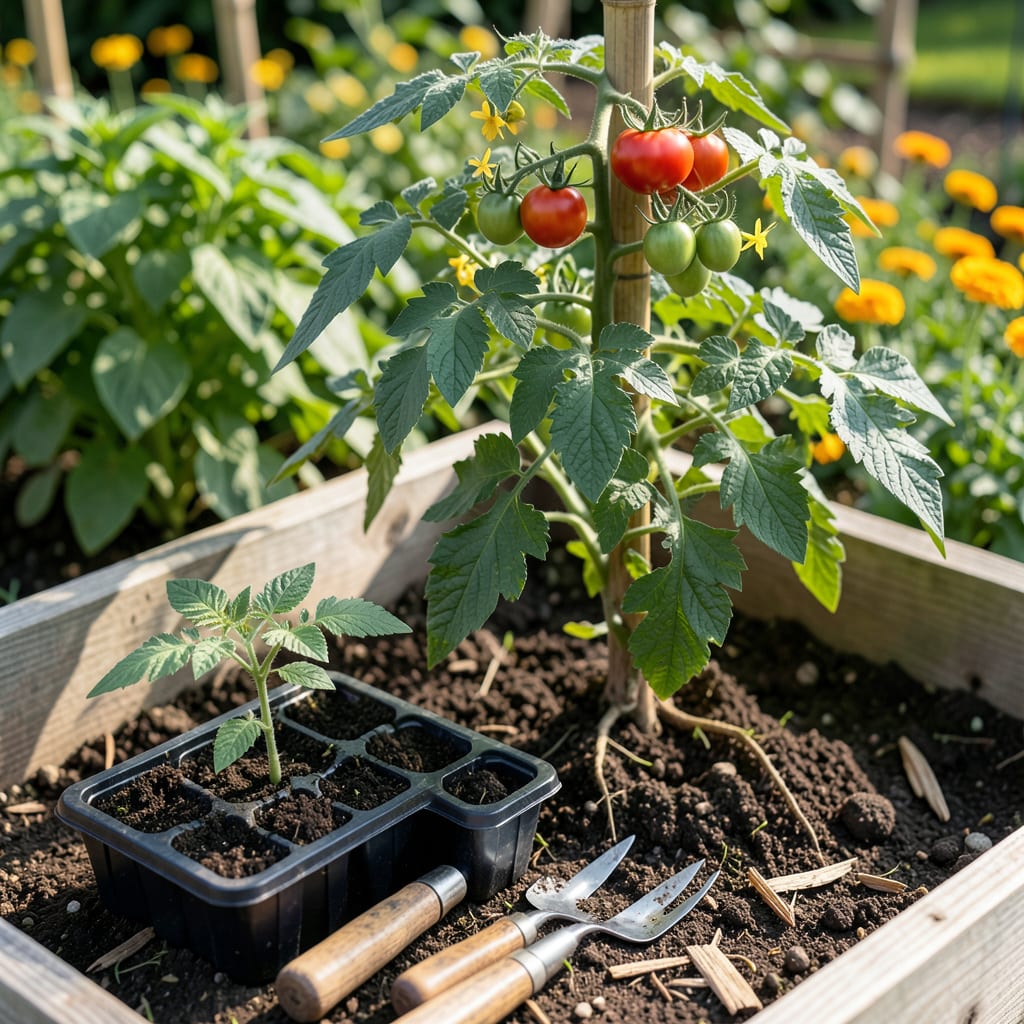
Nothing beats the taste of a homegrown Arkansas 🍅 tomato—juicy, sweet, and bursting with flavor. But here’s the catch: plant too early, and a late frost could wipe out your seedlings. Wait too long, and the scorching summer heat might fry them before they bear fruit.
After years of testing and tweaking, I’ve nailed down the perfect planting windows for our Zone 7a climate. Whether you’re in the Ozarks or the Delta, I’ll show you exactly when to get those seedlings in the ground for a bumper harvest. Let’s get started.
If you’ve ever wondered why your neighbor’s tomatoes thrive while yours struggle, the secret often lies in perfect timing. Arkansas’s climate varies dramatically—from the cooler Ozarks to the steamy Delta—so what works in Fayetteville might flop in Little Rock. I’ve spent years tracking soil temps and frost dates across the state.
The magic number for tomatoes is 60°F soil temperature, but that’s just the start. You’ll also need to account for our USDA zones (6b-8a) and whether you’re planting in spring or sneaking in a fall crop. Let me break down the exact windows for your region.
| Region | USDA Zone | Spring Plant | Fall Plant | Last Frost |
|---|---|---|---|---|
| Northwest (Ozarks) | 6b-7a | April 15-May 1 | July 15-31 | April 10 |
| Central (Little Rock) | 7b-8a | March 25-April 10 | July 1-Aug 15 | March 20 |
| South (Delta) | 8a | March 10-25 | June 15-July 15 | March 5 |
*Soil must reach 60°F at 4″ depth. Use a soil thermometer!
For spring planting, I always recommend waiting until 2 weeks after your last frost. In Little Rock, that’s around April 1, but up in Bentonville, you’ll want to hold off until mid-April. The soil needs to warm up—cold roots mean stunted plants.
The fall window is trickier but worth it for a second harvest. You’ll need to count backward from your first frost date (November 15 for most of Arkansas). Plant seedlings by August 1 in central regions so fruits mature before temperatures dip below 50°F.
Here’s my pro tip: Use black plastic mulch in early spring to warm soil faster. In fall, opt for red plastic mulch—it reflects far-red light that boosts fruit production. Both methods can give you a 2-week head start or extension on your season.
Don’t forget about microclimates! Urban areas like Conway or Jonesboro often run 2-3°F warmer than surrounding rural spots. If you’re near concrete or asphalt, you might plant a week earlier. Always check your local soil temps with a thermometer.
For those in the Ouachita Mountains, add an extra week to both spring and fall dates. The higher elevation means cooler nights and later frosts. I’ve seen many gardeners lose plants by following flatland timelines in Mena or Mount Ida.
Remember, these are transplant dates for seedlings. If you’re direct-sowing seeds, start them indoors 6-8 weeks earlier. Our humid summers mean fungal diseases thrive, so give plants 3-4 feet of spacing for airflow.
Still unsure? The University of Arkansas Cooperative Extension offers free soil testing and region-specific advice. Their Arkansas Gardening Calendar is my go-to backup for unusual weather years like our 2021 late freeze.
🌱I’ve seen even experienced gardeners in Arkansas lose half their tomato crop because of simple timing errors. The biggest mistake? Ignoring our microclimates. A planting date that works in Little Rock might fail in Fayetteville due to elevation differences. Let’s break down the most costly errors.
Another common blunder is trusting the last frost date blindly. While March 15 is the average for Zone 7a, I’ve seen frost linger into early April in the Ozarks. Always check your local soil temperature—it should be consistently above 60°F before planting.
Many Arkansas gardeners also underestimate our summer heat. When daytime temps exceed 90°F, tomato flowers often fail to pollinate. I combat this by using shade cloth during peak afternoon hours and selecting heat-tolerant varieties like ‘Solar Fire’.
Here’s a mistake I made early on: not adjusting for fall planting. July-August plantings can yield a second harvest, but only if you choose fast-maturing varieties (60 days or less) and protect seedlings from intense summer sun with row covers.
Finally, don’t overlook watering consistency. Our Arkansas summers demand 1-2 inches of water weekly, but many gardeners water erratically—either drowning plants or letting soil dry out. Use a drip irrigation system on a timer for best results.
Remember, tomatoes in Arkansas face a double threat: late frosts in spring and early frosts in fall. I always keep row covers handy to extend my season by 2-3 weeks on both ends. This simple trick has saved my harvest more times than I can count! 🌱
After testing dozens of varieties in my Arkansas garden, I’ve found that not all tomatoes can handle our sweltering summers and high humidity. The wrong choice means cracked fruits, blossom drop, or worse—complete crop failure. Let me share the varieties that consistently thrive here.
Our Zone 7a climate demands heat-tolerant, disease-resistant varieties. I focus on three key traits: early maturity (to beat fall frosts), disease resistance (for our humid conditions), and heat tolerance (for those 95°F+ summer days). Here are my top performers.
| Variety | Days to Maturity | Heat Tolerance | Disease Resistance | Best For |
|---|---|---|---|---|
| Arkansas Traveler | 80 days | ⭐⭐⭐⭐⭐ | F, V, N | Humid summers |
| Celebrity | 70 days | ⭐⭐⭐⭐ | F, V, T, A | Disease-prone areas |
| Solar Fire | 72 days | ⭐⭐⭐⭐⭐ | F, V | Extreme heat |
| Early Girl | 50 days | ⭐⭐⭐ | V | Quick harvests |
*F = Fusarium, V = Verticillium, N = Nematodes, T = Tobacco Mosaic, A = Alternaria
For spring planting, I always include Early Girl in my garden. Its 50-day maturity means I’m harvesting by early June, before the worst heat hits. In fall, I switch to Arkansas Traveler—it handles our humid falls better than most varieties.
If you struggle with blossom end rot (common in our clay soil), try Mountain Merit. This variety has excellent calcium uptake and resists cracking. For container gardeners, Bush Early Girl produces well in 5-gallon buckets on my Little Rock patio.
Here’s my secret weapon: Cherokee Purple. While not the most heat-tolerant, its rich flavor makes it worth babying through summer. I plant it in partial shade and use drip irrigation to keep soil consistently moist. The payoff is worth the extra effort!
Remember, even the best variety needs proper care. In Arkansas, that means mulching heavily to retain moisture and pruning suckers weekly for airflow. Our humidity demands vigilance against fungal diseases—I spray copper fungicide preventatively every 2 weeks during wet summers.
🌿Tomatoes need soil consistently at or above 60°F at a 4-inch depth. Use a soil thermometer to check—planting in colder soil stunts growth and invites disease.
In Arkansas, this typically occurs 2-3 weeks after the last frost date. Black plastic mulch can help warm soil faster in early spring.
Plant fast-maturing varieties (60-70 days) by July 15 in central Arkansas or June 15 in southern regions. Count backward from your first frost date (typically November 15).
Choose heat-tolerant varieties like ‘Solar Fire’ or ‘Arkansas Traveler’ for best results. Use shade cloth to protect young plants from summer sun.
Arkansas has three distinct regions: Ozarks (cooler), Central (moderate), and Delta (warmer). Check your USDA zone (6b-8a) and local frost dates. Urban areas may plant 1 week earlier due to heat islands.
Mountainous areas like Mena should add 1-2 weeks to recommended dates. Always verify with your county extension office.
Planting too early is the #1 error. Many rush to plant at the average last frost date (March 15), but soil temps often lag behind. Wait until soil reaches 60°F—usually 2 weeks after the last frost.
Also, avoid overcrowding—give plants 3-4 feet of space for airflow to combat humidity-related diseases.
‘Arkansas Traveler’ and ‘Celebrity’ excel in our humid climate. Both resist common fungal diseases and handle heat well. For containers, try ‘Bush Early Girl’—it thrives in 5-gallon buckets with proper drainage.
Apply copper fungicide preventatively every 2 weeks during wet summers for all varieties.
