
Beautiful Plants For Your Interior
Beautiful Plants For Your Interior
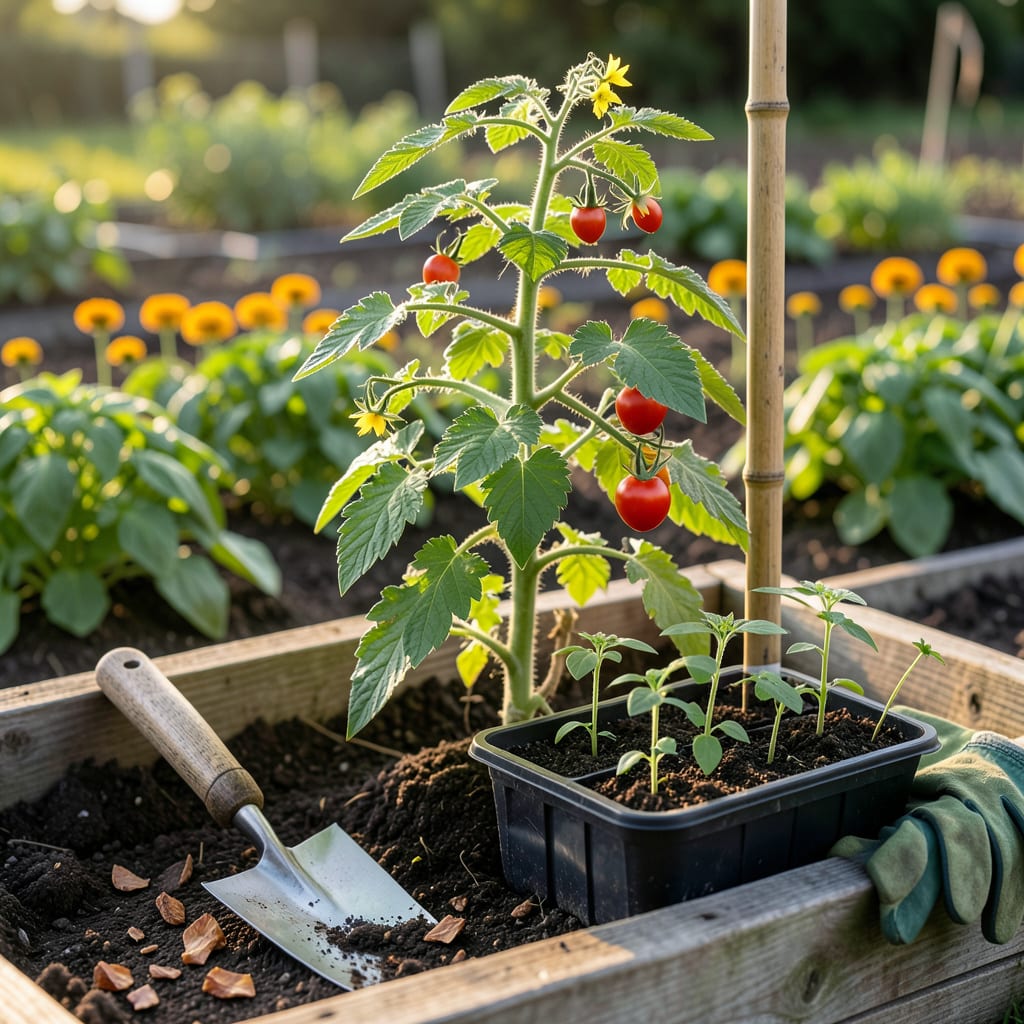
Timing your tomato planting in Alabama can mean the difference between a bountiful harvest and a disappointing season. Our state’s unpredictable frosts and scorching summers make perfect timing the secret to success—plant too early, and a late freeze could ruin your seedlings; wait too long, and the heat will stunt their growth.
After years of testing and adjusting, I’ve nailed down the ideal windows for Alabama’s unique climate. Whether you’re in the coastal plains or the northern hills, I’ll show you exactly when to get those 🍅 seedlings in the ground for the juiciest, most flavorful results. Let’s get started.
Alabama’s diverse climate means there’s no single planting date that works statewide. Our three distinct regions—Gulf Coast, Central, and Northern—each have unique frost dates and heat patterns. I’ve found that timing adjustments of 2-3 weeks between zones can make or break your harvest.
The Gulf Coast region (Zones 8b-9a) enjoys the longest growing season, with last frosts often in early February. Here, you can start tomatoes as early as late February with protection, or mid-March without. But beware—our humidity demands disease-resistant varieties like ‘Creole’ or ‘Homestead’.🌱
| Region | USDA Zone | Last Frost Date | Planting Window | Recommended Varieties |
|---|---|---|---|---|
| Gulf Coast | 8b-9a | Feb 10-20 | Late Feb – Mar 15 | Creole, Heatmaster, Solar Fire |
| Central AL | 7b-8a | Mar 15-25 | Mar 25 – Apr 10 | Celebrity, Mountain Merit, Arkansas Traveler |
| Northern AL | 7a | Apr 1-10 | Apr 10 – May 1 | Early Girl, Better Boy, Roma |
In Central Alabama (Zones 7b-8a), our last frost typically hits around March 15-25. I start my tomatoes indoors in early March and transplant around April 1. This region’s clay soil benefits from extra compost—work in 2-3 inches before planting to improve drainage and nutrient availability.
Northern Alabama (Zone 7a) has the shortest season, with frosts lingering until early April. Here, I wait until April 10-May 1 to plant. The cooler nights mean slower initial growth, but varieties like ‘Early Girl’ (50 days to maturity) help maximize the season. Use black plastic mulch to warm soil faster in spring.
For all regions, soil temperature is critical—aim for 60°F+ at 4” depth. I use a soil thermometer (about $10) to check. If you’re eager to plant earlier, row covers or low tunnels can protect seedlings from late frosts while letting sunlight through. Remove covers when temps exceed 85°F to prevent overheating.
Don’t forget about fall tomatoes! In southern Alabama, you can plant a second crop in late July-August for a fall harvest. I’ve had great success with ‘Solar Fire’ and ‘Heatmaster’ varieties that keep producing despite our September heat waves. Just be sure to get them in the ground by August 15 to mature before first frost.
Alabama’s humidity and heat also mean you’ll need to watch for fungal diseases. I space my plants 24-36” apart for airflow and use drip irrigation to keep leaves dry. Mulching with straw helps prevent soil-borne spores from splashing onto plants during our frequent summer thunderstorms.
For the most precise dates, check your local frost data using the Almanac’s Alabama Frost Calculator. I also recommend signing up for Alabama Cooperative Extension alerts—they send timely updates about pest outbreaks and weather advisories that could impact your garden.☀️
Remember, these windows are guidelines—always watch the weather and adjust as needed. Alabama’s climate is unpredictable, but with the right timing and varieties, you’ll be rewarded with plump, flavorful tomatoes all season long. I’ve found that keeping a garden journal helps track what works best in your specific microclimate year after year.🌿
Even experienced gardeners in Alabama can sabotage their tomato harvests by making simple but costly mistakes. The most common error I see is ignoring soil temperature—many assume air temperature is enough, but tomatoes need 60°F soil to thrive. Planting in cold dirt leads to stunted growth and poor yields.
Another frequent misstep is planting during Alabama’s shoulder seasons without protection. Those unpredictable late frosts in March or early heatwaves in May can devastate young plants. I’ve lost entire trays of seedlings by trusting the calendar instead of watching the weather and using row covers.
The third mistake is overlooking variety selection. Not all tomatoes handle Alabama’s heat and humidity equally. I’ve had the best luck with disease-resistant hybrids like ‘Mountain Merit’ and ‘Arkansas Traveler,’ which shrug off our common fungal issues and keep producing when others wilt.
Many gardeners also forget to harden off seedlings properly before transplanting. Moving plants straight from indoor trays to Alabama’s intense sun and wind shocks them. I recommend a 7-day transition, gradually increasing outdoor exposure to toughen them up for our climate.
Watering inconsistently is another silent killer. Alabama’s clay-heavy soils can dry out unevenly, leading to blossom end rot. I use drip irrigation on a timer to maintain steady moisture—especially critical during our sudden summer downpours followed by drought-like stretches.
Finally, don’t neglect soil prep. Our native soils often lack organic matter. I amend my beds with compost and aged manure before planting, then mulch heavily with straw to regulate temperature and moisture. This simple step has doubled my yields in some seasons.
By avoiding these common pitfalls, you’ll set your Alabama tomato plants up for success. The key is working with our climate, not against it—timing, variety selection, and smart soil management make all the difference.☀️
Alabama’s sweltering summers and sticky humidity can turn many tomato varieties into wilted disappointments. After testing dozens of types in my own garden, I’ve found that heat-tolerant hybrids consistently outperform others. The secret? Look for varieties bred to handle 90°F+ temperatures and resist common fungal diseases like early blight.
For Gulf Coast gardeners, I swear by ‘Solar Fire’ and ‘Heatmaster’—these keep producing when others surrender to the heat. In Central Alabama, ‘Celebrity’ and ‘Mountain Merit’ offer the perfect balance of disease resistance and flavor. Northern growers should try ‘Early Girl’ for quick harvests before summer’s peak.
For cherry tomato lovers, ‘Sweet 100’ and ‘Sun Gold’ produce nonstop in our climate. Their small size means faster maturity—critical when racing against Alabama’s summer heat. I plant these in partial shade during July-August to extend production into fall.
Don’t overlook paste tomatoes like ‘Roma’ and ‘Amish Paste’. While they need more consistent watering, their thick flesh resists cracking in our humid storms. I’ve found they perform best in raised beds with excellent drainage to prevent root rot during summer downpours.
For organic gardeners, ‘Arkansas Traveler’ is a must-try. This heirloom handles Alabama’s climate beautifully, with pink fruits that resist cracking. Pair it with ‘Creole’ for a disease-resistant duo that’ll keep your kitchen supplied all season. Both benefit from calcium supplements to prevent blossom end rot in our clay soils.
Remember, even the best varieties need proper care. I mulch heavily with straw to regulate soil temperature and moisture. In peak summer, afternoon shade cloth (30-40%) can prevent sunscald on fruits. With the right varieties and a little extra care, you’ll be harvesting plump, flavorful tomatoes when others are watching their plants wither.🌿
Along the Gulf Coast (Zones 8b-9a), you can start as early as late February with frost protection. Without covers, mid-March is safest after the last frost date (around Feb 10-20). Always check soil temps—60°F+ is ideal.
It’s challenging but possible with heat-tolerant varieties like ‘Solar Fire’ or ‘Heatmaster’. Use 30-40% shade cloth and mulch heavily. For best results, focus on fall planting (late July-August) instead.
Use row covers or low tunnels to shield young plants. Remove covers when daytime temps exceed 85°F to prevent overheating. A soil thermometer helps verify safe planting conditions.
Work in 2-3 inches of compost and consider raised beds for better drainage. A balanced 10-10-10 fertilizer at planting helps, but avoid over-fertilizing in our hot climate. Test soil pH—tomatoes prefer 6.2-6.8.
Avoid heat-sensitive types like ‘Brandywine’ or ‘Beefsteak’—they struggle with our humidity and long summers. Stick to disease-resistant hybrids bred for Southern climates.
