
Beautiful Plants For Your Interior
Beautiful Plants For Your Interior
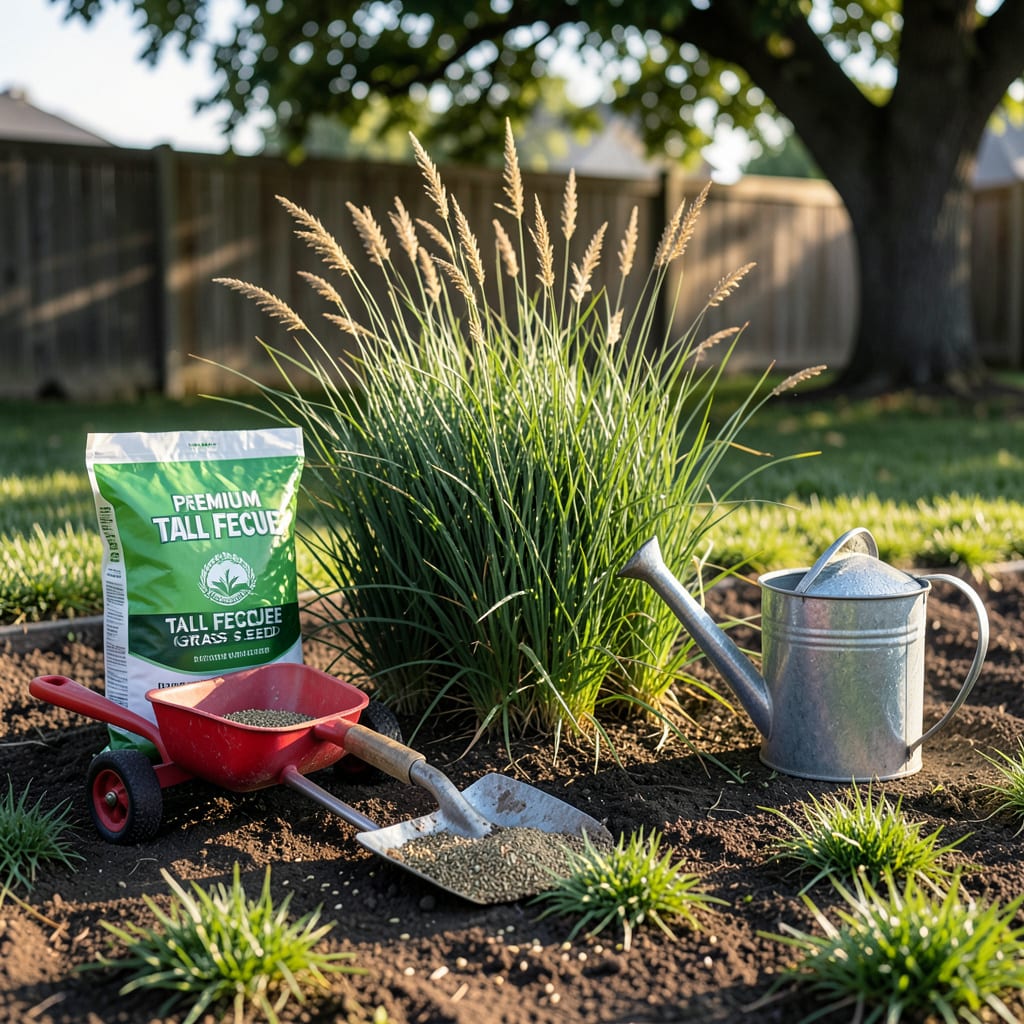
Timing can make or break your Tall Fescue lawn in North Carolina. Plant too late, and winter frost might wipe out your efforts. Go too early, and summer heat could fry those tender new sprouts before they even get started.
After helping dozens of NC homeowners transform their yards, I’ve nailed down the exact windows for Piedmont clay and Coastal sands. Whether you’re in Raleigh or Wilmington, I’ll show you how to sync with NC’s unpredictable climate—so your grass thrives year-round, not just for a season.
If you’ve ever struggled with a patchy lawn in North Carolina, you know timing is everything when planting tall fescue. This cool-season grass thrives when planted during specific windows that align with NC’s diverse climate zones. Whether you’re in Raleigh’s Piedmont or Wilmington’s Coastal Plain, the right timing ensures deep roots and lush growth.
NC’s weather can be unpredictable, but fall planting (September–October) is almost always your best bet. The soil stays warm while air temperatures cool, giving seeds ideal conditions to germinate. Spring planting (March–April) works too, but it requires more watering and care to combat summer heat stress.
| Region | Best Planting Window | Soil Temp Range | Key Considerations |
|---|---|---|---|
| Piedmont (Raleigh, Charlotte) | Sept 1–Oct 15 | 50–65°F | Clay soil—amend with compost for drainage. Avoid late fall planting due to early frosts. |
| Coastal Plain (Wilmington, Outer Banks) | Sept 15–Oct 30 | 55–70°F | Sandy soil—add organic matter to retain moisture. Watch for late-season hurricanes. |
| Mountains (Asheville, Boone) | Aug 15–Sept 30 | 45–60°F | Shorter season—plant early to avoid first frost (Sept 20). Use cold-hardy varieties. |
In the Piedmont region, aim to plant by mid-October to give roots time to establish before winter. The Coastal Plain enjoys a slightly longer window thanks to milder winters, but avoid planting too late—November’s tropical storms can wash away seeds or drown young sprouts.
For spring planting, focus on March–early April. The challenge? NC’s summers hit hard, and tall fescue struggles in 90°F+ heat. If you plant in spring, commit to deep watering (1.5 inches/week) and avoid heavy foot traffic until the lawn is established.
Soil temperature is your secret weapon. Use a soil thermometer to confirm readings between 50–65°F at a 2-inch depth. Too cold, and seeds rot; too hot, and they dry out. In the Piedmont, clay soil holds moisture but drains poorly—mix in compost or sand before planting.
The Coastal Plain’s sandy soil drains fast, so seeds can dry out quickly. After planting, cover with a light mulch (straw) to retain moisture. Water lightly daily until germination, then switch to deep, infrequent watering to encourage deep roots.
If you’re in the mountains, your window is tighter. Plant by late September to avoid early frosts. Choose cold-tolerant varieties like ‘Kentucky 31’ or ‘Titan,’ and consider overseeding thin spots in early fall for a denser lawn.
Pro tip: Check your local frost dates. In Raleigh, the first frost hits around October 20, while Wilmington stays frost-free until November 10. Plant at least 4–6 weeks before your area’s first frost to give roots time to establish.
No matter where you are in NC, fall planting gives tall fescue a head start. The grass focuses on root growth in cool weather, leading to a thicker, more drought-resistant lawn by summer. If you miss the fall window, early spring is your backup—but be ready to babysit your lawn through the heat. 🌱
Planting tall fescue in North Carolina seems straightforward—until you make one of these costly mistakes. I’ve seen too many homeowners waste time and money by overlooking key details. The good news? These pitfalls are easy to avoid once you know what to watch for.
First, never plant during summer’s peak heat. Tall fescue is a cool-season grass, and NC’s 90°F+ temperatures will stress or kill young seedlings. Even with extra watering, the heat often wins. Stick to fall or early spring for best results.
⚠️ WARNING: 3 Mistakes That Ruin NC Tall Fescue Lawns
Another big mistake? Skipping the soil test. NC’s soil varies wildly—Piedmont clay is dense and poorly draining, while Coastal Plain sand drains too fast. Tall fescue needs well-draining, fertile soil with a pH of 5.5–7.0. Test your soil and amend with compost or sand as needed.
Seed depth is another common issue. Planting too deep suffocates seeds, while too shallow leaves them vulnerable to drying out. Aim for ¼-inch depth, then lightly rake and cover with a thin layer of straw to retain moisture. Use a seed spreader for even coverage—hand-sowing often leads to clumpy, uneven growth.
Finally, don’t forget about watering consistency. New tall fescue needs daily light watering until germination (7–14 days), then deep watering (1–1.5 inches/week) to establish roots. In the Piedmont, clay soil holds moisture longer, so adjust to avoid overwatering. In the Coastal Plain, sandy soil dries fast—check moisture daily.
If you’re in the mountains, watch for early frosts. Planting too late means seeds won’t germinate before winter. Use a soil thermometer to confirm temps stay above 50°F at planting. And always choose cold-hardy varieties like ‘Kentucky 31’ for better survival rates.
By avoiding these mistakes, you’ll set your tall fescue up for success. Focus on timing, soil prep, and consistent care, and you’ll have a lawn that stays green and lush—even through NC’s toughest seasons. ✂️
Once your tall fescue is planted in North Carolina, the real work begins. A year-round care plan keeps your lawn thick, green, and resilient through every season. NC’s climate throws curveballs—humid summers, unpredictable frosts, and drought spells—so timing your care is just as critical as planting.
I’ve broken down the essential tasks by season, with adjustments for Piedmont clay vs. Coastal sand. Whether you’re in Raleigh or Wilmington, this calendar ensures your tall fescue stays healthy without guesswork. Let’s dive into the month-by-month game plan for a lawn that’s the envy of the neighborhood.
In spring, your tall fescue wakes up hungry. Apply a slow-release fertilizer (like 16-4-8) in early March, once soil temps hit 55°F. This kickstarts growth without burning tender roots. If your lawn has bare patches, overseed by mid-April—but avoid heavy pre-emergent herbicides, as they’ll block grass seeds too.
When summer heat hits, tall fescue’s growth slows. Focus on deep watering—1.5 inches per week, split into 2–3 sessions. Water before 9 AM to reduce evaporation and fungal risks. In the Piedmont, clay soil holds moisture longer, so check soil depth before watering. Coastal lawns may need extra irrigation due to fast-draining sand.
Fall is your power season for tall fescue. September is ideal for aerating (especially in clay-heavy Piedmont) and overseeding. Use a high-quality seed blend and cover with ¼-inch of compost. Fertilize again in late September to strengthen roots before winter. Keep mowing until growth stops, but never remove more than ⅓ of the blade at once.
Winter care is low-key but important. Avoid walking on frozen grass, which can snap blades. If NC has a dry spell, water lightly every 3 weeks. Use this time to test soil pH and plan amendments. In the mountains, protect new lawns with a light straw mulch to insulate against harsh frosts.
Pro tip: Sharpen mower blades in early spring and fall. Dull blades tear grass, inviting disease. And always leave clippings—they return nutrients to the soil. With this calendar, your tall fescue will thrive through NC’s wildest weather swings. ✂️
Fall is ideal, but the window is tighter. Plant by late September to avoid early frosts. Spring works too, but requires extra watering to combat summer heat. Mountain regions like Asheville have shorter seasons, so timing is critical.
Amend with 2–3 inches of compost to improve drainage. Till to a 6-inch depth and level the surface. Consider a light sand mix if drainage is poor. Test soil pH—aim for 5.5–7.0 before planting.
Only in the Coastal Plain (Wilmington area) where winters are milder. Further inland, November planting risks frost damage. If you must, use a winter-hardy variety and mulch lightly.
Water daily for the first 2 weeks, then taper to every other day. Provide 1.5 inches/week total (including rain). Early morning watering reduces evaporation and fungal risks.
Set blades to 3.5–4 inches to shade roots and retain moisture. Never remove more than ⅓ of the blade at once. Keep blades sharp to prevent tearing.
