
Beautiful Plants For Your Interior
Beautiful Plants For Your Interior
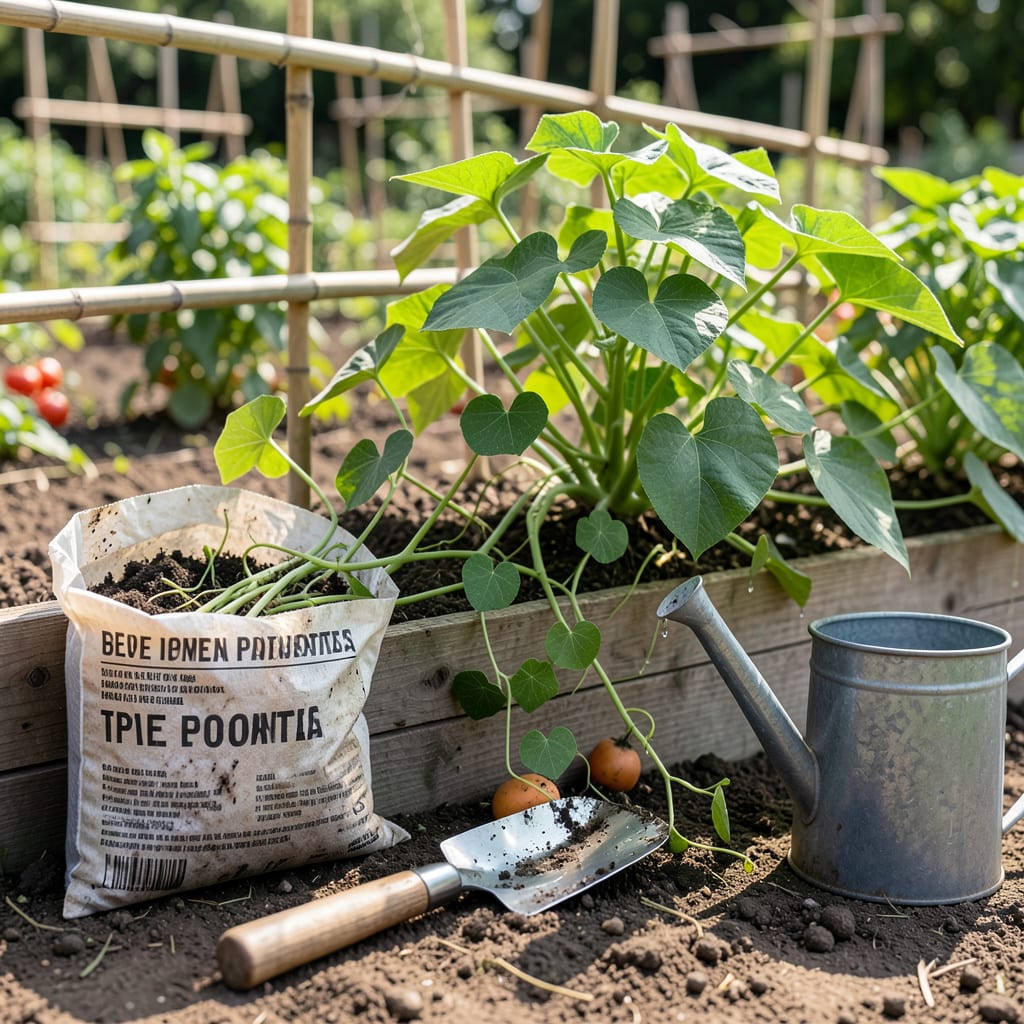
Timing your sweet potato planting in Zone 8b can mean the difference between a bountiful harvest and a disappointing yield. Plant too early, and cold soil stunts growth; wait too long, and you risk missing the ideal window for those plump, flavorful tubers.
After testing different approaches in my own garden, I’ve found the perfect balance—and it all starts with soil temperature. Let me show you exactly when to get those slips in the ground for the best results this season.
If you’re growing sweet potatoes in Zone 8b, timing isn’t just important—it’s the difference between a mediocre crop and a bumper harvest. The secret lies in soil temperature, not just calendar dates. I’ve seen gardeners lose entire plants by jumping the gun in early spring when the soil was still too cool.
Zone 8b’s last frost date (around March 15) is just the starting point. What really matters is when your soil consistently hits 60°F or warmer. In my experience, that typically happens 2-4 weeks after the last frost, putting our ideal window squarely in mid-April through early June.☀️
| Planting Factor | Zone 8b Specification | Why It Matters |
|---|---|---|
| Soil Temperature | ≥60°F (15°C) | Prevents root rot and encourages slip growth |
| Air Temperature | ≥70°F (21°C) days | Vines grow fastest in warm conditions |
| Last Frost Date | March 15 (avg.) | Plant 3-4 weeks after for safety |
| Ideal Months | April-June | Balances warm soil and growing season length |
| Coastal vs. Inland | Coastal: plant 1-2 weeks earlier | Microclimates vary—coastal areas warm faster |
Here’s my pro tip: Use a soil thermometer to check temperatures at 4-inch depth for 3 consecutive mornings. If it reads 60°F+, you’re good to go. I’ve found that black plastic mulch can speed up soil warming by 2-3 weeks if you’re eager to plant earlier.
Remember that sweet potatoes need 90-120 days to mature. Planting in early June still works in Zone 8b because our first frost isn’t until around November 15. That gives you plenty of time, but don’t push it past June 30—later plantings may not size up properly before harvest.
For coastal Zone 8b gardeners, you can often plant 1-2 weeks earlier than inland areas because ocean proximity moderates temperatures. I’ve successfully planted as early as late March in coastal South Carolina by using row covers to protect young slips from unexpected chills.🌱
If you’re growing organic sweet potatoes, consider that organic soils often warm more slowly. I recommend adding composted manure in early spring to both fertilize and help retain heat. Just be sure it’s well-aged—fresh manure can burn tender slips.
Watch for false springs—those warm spells in late February or early March that trick gardeners into planting too soon. I lost an entire bed one year by planting during a 70°F week in March, only to have temperatures plummet back to 40°F the following week. Patience pays off!
For container growers in Zone 8b, you can start 1-2 weeks earlier than in-ground planting because containers warm faster. Just be vigilant about moisture levels—potted sweet potatoes dry out quicker than their in-ground cousins. I use self-watering containers to maintain consistent moisture without waterlogging.💧
Finally, consider your variety selection when planning timing. Fast-maturing varieties like ‘Georgia Jet’ (90 days) can be planted later in the season, while ‘Beauregard’ (100 days) needs that extra time. I’ll cover variety specifics in the next section, but keep this in mind as you plan your planting schedule.
Even experienced gardeners can sabotage their sweet potato harvest in Zone 8b by making avoidable mistakes. I’ve seen firsthand how these errors can turn a promising crop into a disappointment. The good news? They’re all preventable with the right knowledge and timing adjustments.
One of the most common issues I encounter is planting too early when soil temperatures are still below 60°F. This seems harmless, but cold soil actually causes slips to rot before they can establish. I learned this the hard way when I lost an entire bed to root rot after an eager March planting.
Slips planted before soil reaches 60°F often rot. Use a soil thermometer to verify temps at 4-inch depth for 3 consecutive days.
Zone 8b’s long season tempts late planting, but varieties need 90-120 days. Planting after June 30 risks small tubers before first frost.
New slips need consistent moisture but hate soggy soil. Water 1 inch weekly until established, then reduce to avoid tuber cracking.
Another critical error is misjudging variety maturity. While Zone 8b’s 245 frost-free days seem generous, planting slow-maturing varieties like ‘Beauregard’ after June often results in undersized tubers. I now stick to ‘Georgia Jet’ (90 days) for late plantings—it consistently produces well even when planted in early summer.
Many gardeners don’t realize that overwatering does more harm than drought. Sweet potatoes develop their best flavor under slightly dry conditions once established. I water my plants deeply once weekly until vines spread, then cut back to every 10-14 days unless we’re in extreme drought. This prevents tuber cracking while encouraging deep root growth.💧
A less obvious but equally damaging mistake is neglecting soil preparation. Sweet potatoes thrive in loose, well-draining soil with a pH between 5.8-6.5. I amend my beds with sand and compost each spring to prevent compacted soil, which leads to misshapen tubers. A simple soil test before planting can save you months of frustration.
Finally, don’t overlook pest management in Zone 8b’s warm climate. Sweet potato weevils and wireworms can devastate crops. I plant marigolds as companion plants and rotate my sweet potato beds every 3 years to break pest cycles. This simple practice has nearly eliminated my pest problems without chemical interventions.🌱
Choosing the right sweet potato variety for Zone 8b can make or break your harvest. Our long growing season gives us flexibility, but not all varieties perform equally well in our hot, humid climate. I’ve tested dozens over the years and found clear winners for our region.
Fast-maturing varieties like ‘Georgia Jet’ (90 days) are perfect for gardeners who want to extend the planting window or harvest early. These thrive when planted in late May through June, producing reliable yields even with our unpredictable summer weather patterns.☀️
| Variety | Days to Maturity | Best For | Flavor Profile | Disease Resistance |
|---|---|---|---|---|
| Georgia Jet | 90 days | Late plantings, containers | Sweet, moist, orange flesh | High (fusarium wilt) |
| Beauregard | 100 days | Main crop, storage | Rich, sweet, deep orange | Moderate (root knot nematode) |
| Bonita | 95 days | Drought-prone areas | Mild, white flesh, dry | Excellent (drought tolerant) |
| Covington | 105 days | Commercial quality | Sweet, copper skin | Good (virus resistance) |
For gardeners prioritizing storage potential, ‘Beauregard’ remains my top pick. Its 100-day maturity fits perfectly in Zone 8b when planted by mid-May. The deep orange flesh sweetens in storage, making it ideal for winter use. I’ve stored properly cured Beauregards for 6+ months in cool, dark conditions.
The white-fleshed ‘Bonita’ variety deserves special mention for our climate. Its drought tolerance makes it perfect for Zone 8b’s hot summers, especially in sandy soils. While less sweet than orange varieties, its nutty flavor and firm texture make it excellent for roasting. I grow it specifically for our driest garden beds where other varieties struggle.🌱
If you’re growing in containers, I recommend sticking with ‘Georgia Jet’ or ‘Vardaman’ (a bush-type variety). Both adapt well to confined spaces and produce consistent yields in 15-gallon containers. Just ensure your containers have excellent drainage and use a sandy loam mix to prevent waterlogging.
For organic gardeners, ‘Covington’ offers excellent disease resistance while maintaining high yields. Its copper-colored skin and deep orange flesh make it a market favorite. I’ve found it particularly resistant to wireworms, which can be problematic in our warm climate.💧
You can plant as late as June 30 in Zone 8b, but earlier is better. Fast-maturing varieties like ‘Georgia Jet’ (90 days) work best for late plantings. Just ensure you have 90-100 days before your first frost date.
Soil must be consistently 60°F or warmer at 4-inch depth. Use a soil thermometer to check for 3 consecutive mornings before planting. Cold soil causes slips to rot instead of growing.
Technically yes, but it’s risky. Store-bought sweet potatoes are often treated to prevent sprouting. For best results, use certified disease-free slips from a nursery. If trying store-bought, choose organic and watch for mold.
Coastal areas warm 1-2 weeks earlier than inland Zone 8b. You can plant as early as late March near the coast with row covers. Inland gardeners should wait until mid-April when soil warms consistently.
Planting too early in cold soil is the #1 error. Many lose slips to root rot by jumping the gun. Always check soil temp—not just calendar dates. Patience in spring leads to heavier yields in fall.
