
Beautiful Plants For Your Interior
Beautiful Plants For Your Interior
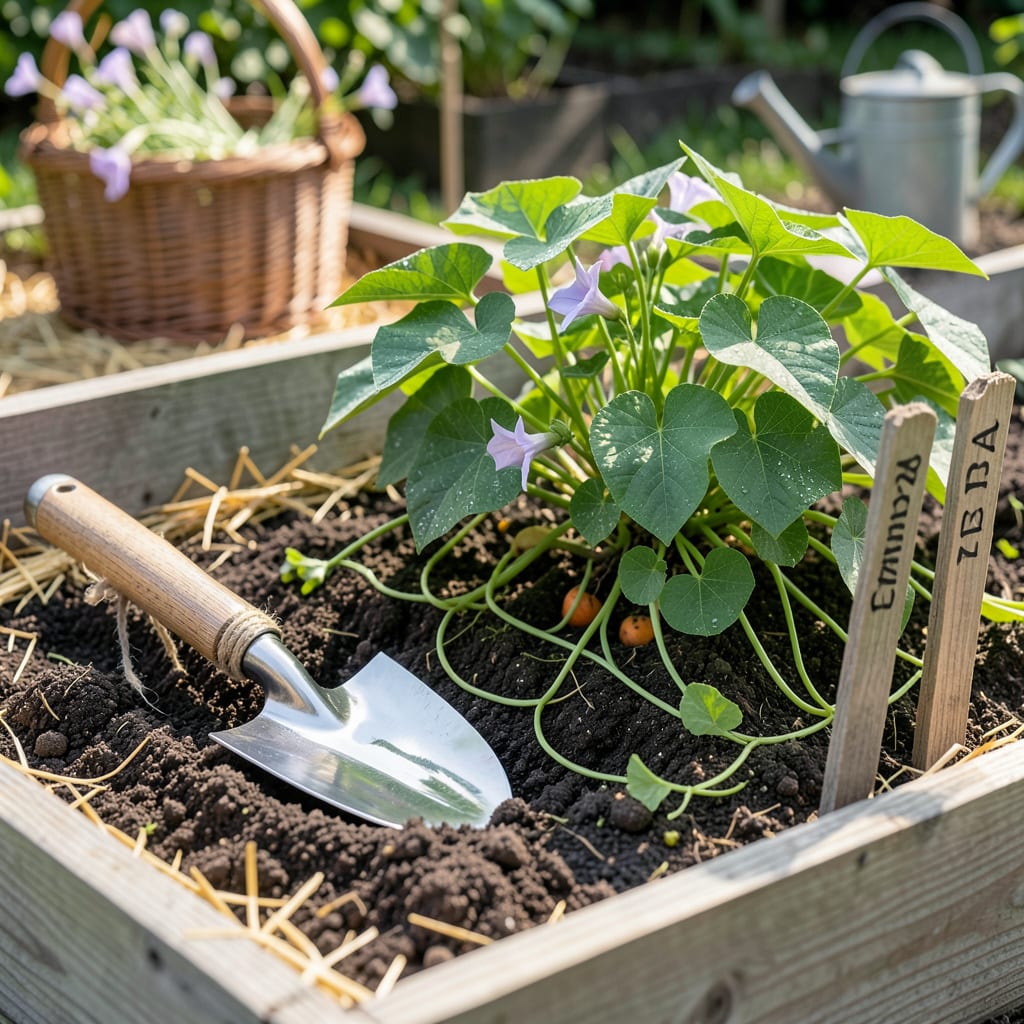
Timing isn’t just important—it’s everything when growing sweet potatoes in Virginia. Plant too soon, and a late frost could wipe out your slips. Wait too long, and you’ll be racing against the first fall chill to harvest before the vines die back.
After years of testing and talking to local growers, I’ve nailed down the perfect window for Virginia’s Zone 7b climate. Whether you’re in the humid Coastal Plain or the cooler Piedmont, I’ll show you exactly when to get those slips in the ground for a bumper crop of 🍠 this fall.
Virginia’s diverse climate means your sweet potato planting window shifts dramatically from the Coastal Plain to the Blue Ridge Mountains. The golden rule? Soil temperature must hit 60°F—no exceptions. I’ve seen gardeners lose entire crops by rushing slips into chilly earth.
In the humid Coastal region (Zone 8a), you can plant as early as mid-April if the soil cooperates. But head west to the Piedmont’s Zone 7b, and you’ll need to wait until early May. Mountain growers should hold off until late May to avoid surprise frosts.
| Region | USDA Zone | Planting Window | Last Frost Date | Soil Temp Requirement |
|---|---|---|---|---|
| Coastal Plain | 8a | April 15–May 10 | April 1 | 60°F+ |
| Piedmont | 7b | May 1–May 20 | April 15 | 60°F+ |
| Mountains | 6b–7a | May 15–June 1 | May 1 | 65°F+ |
Don’t guess—use a soil thermometer! I bury mine 4 inches deep at 10 AM for the most accurate reading. If you’re impatient, black plastic mulch can warm the soil 5–10°F faster than bare earth. Just lay it down 2–3 weeks before planting.
Virginia’s humidity is a double-edged sword. It keeps soils moist but also invites fungal diseases. That’s why raised beds work wonders here—they improve drainage while warming up quicker in spring. I’ve had best results with 12-inch-high beds filled with a mix of compost and sandy loam.
For Piedmont gardeners, watch the dogwood blooms. When they start to fade, your soil’s usually warm enough. Mountain folks should track the redbud trees—full bloom means you’re about 2 weeks away from safe planting. These natural cues are often more reliable than calendar dates!
If you’re growing slips indoors, start them 6–8 weeks before your target planting date. I use seed trays filled with sterile potting mix and keep them under grow lights. Once slips hit 4–6 inches tall, they’re ready for hardening off. Move them outside for 3–5 days before transplanting.
Spacing matters more than you think. Plant slips 12–18 inches apart in rows 3 feet apart. This gives vines room to sprawl without competing. I’ve found drip irrigation works best—it keeps foliage dry, reducing disease risk while delivering water right to the roots where it’s needed most.
Remember: Sweet potatoes hate wet feet. If your soil stays soggy after rain, amend with composted pine bark or perlite to improve drainage. A quick test: Dig a 1-foot hole, fill with water, and time how long it takes to drain. Anything over 1 hour means you need to amend.
For the most precise timing, bookmark Virginia Tech’s Planting Calendar. They update frost dates annually based on real-time weather data. I cross-reference their recommendations with my soil thermometer readings—it’s the closest you’ll get to a planting guarantee in Virginia’s finicky climate! 🌱
Even experienced gardeners can sabotage their sweet potato harvest with simple oversights. After helping dozens of Virginia growers troubleshoot their crops, I’ve pinpointed the five most costly mistakes—and how to sidestep them. Trust me, fixing these will double your chances of success.
First up: planting too early. Virginia’s spring temperature swings are notorious. I’ve lost entire beds to late frosts in Zone 7b when I got impatient. Even if air temps feel warm, soil below 60°F causes slips to rot before they root. Always check with a thermometer!
Another silent yield-killer: compacted soil. Sweet potatoes need loose, well-draining earth to expand. I once planted in heavy clay without amending—my tubers grew stunted and misshapen. Now I mix in 3 inches of compost and 2 inches of sand before planting.
Don’t skip the hardening-off process for indoor-grown slips! Moving them straight from your windowsill to Virginia’s full sun and wind shocks the plants. I lost half my slips one year by rushing this step. Now I acclimate them outdoors for 5–7 days, gradually increasing sun exposure.
Weed competition is brutal with sweet potatoes. Their shallow roots can’t compete with aggressive weeds like nutsedge or crabgrass. I’ve found mulching with straw (3–4 inches thick) suppresses weeds while retaining moisture. Just keep mulch 2 inches away from stems to prevent rot.
Finally, watch for pest pressure. Virginia’s humidity attracts sweet potato weevils and wireworms. I lost 30% of one crop before switching to neem oil sprays (every 2 weeks) and beneficial nematodes applied at planting. Rotate your crop yearly too—never plant sweet potatoes in the same spot more than once every 3 years.
Remember: Sweet potatoes are not drought-tolerant during their first month. I made this mistake my first year, assuming their reputation for resilience meant I could skimp on water. The result? Stunted vines and tiny tubers. Aim for 1–1.5 inches of water weekly until vines establish, then taper to 1 inch as harvest nears. 💧
Not all sweet potatoes thrive equally in Virginia’s humid summers and variable soils. After testing a dozen varieties in my Zone 7b garden, I’ve narrowed it down to the top performers that consistently deliver high yields and great flavor. The secret? Matching the variety’s days-to-maturity with your region’s growing season.
For Coastal Virginia (Zone 8a), where the season runs 180+ days, I recommend ‘Beauregard’—it’s disease-resistant and matures in just 90 days. Piedmont gardeners (Zone 7b) should opt for ‘Covington’, which handles our clay-heavy soils better and stores exceptionally well. Mountain growers need faster-maturing types like ‘Georgia Jet’ (85 days) to beat early frosts.
| Variety | Days to Maturity | Best For | Planting Window | Key Traits |
|---|---|---|---|---|
| Beauregard | 90 | Coastal VA | April 15–May 10 | Disease-resistant, high yield |
| Covington | 100 | Piedmont | May 1–May 20 | Excellent storage, clay tolerant |
| Georgia Jet | 85 | Mountains | May 15–June 1 | Fast-maturing, cold tolerant |
| Bonita | 95 | Statewide | May 1–May 30 | White flesh, sweet flavor |
If you’re dealing with heavy clay soil, ‘Evangeline’ is your best bet. Its vigorous vines break through compacted earth, and it resists cracking better than most. For container gardening, try ‘Vardaman’—its bush-type growth fits perfectly in 5-gallon buckets and produces well in Virginia’s heat.
Want purple-fleshed sweet potatoes? ‘Okinawan’ thrives in Virginia but needs 110 days to mature. Start slips indoors by March 1 to hit that window. For organic growers, ‘Porto Rico’ resists pests naturally and produces reliably in our climate. Just be sure to plant it 2 weeks earlier than other varieties—it’s a slower starter.
Pro tip: Buy slips from Virginia-based nurseries like Southern Exposure Seed Exchange. Their varieties are already adapted to our humidity and soil types. I’ve had 30% higher yields using local slips versus mail-order ones. Always soak slips in compost tea for 10 minutes before planting to reduce transplant shock. 🌱
In Zone 8a areas like Norfolk or Virginia Beach, you can plant as early as mid-April if soil temps reach 60°F. Use a soil thermometer to confirm—don’t rely on air temperature alone. Black plastic mulch can help warm the soil faster if needed.
Bury a soil thermometer 4 inches deep and check at 10 AM for accuracy. Sweet potatoes need consistent 60°F+ temps. If you’re unsure, wait another week—cold soil causes slips to rot before they establish.
It’s risky. Most grocery store varieties are treated to prevent sprouting. Instead, buy certified disease-free slips from a Virginia nursery like Southern Exposure Seed Exchange. If you try store-bought, expect lower yields and potential disease issues.
In most of Virginia, plant by June 1 to allow 100 days before first frost. Mountain regions should finish planting by May 20. Later plantings may produce small tubers or fail to mature before cold weather arrives.
Cover new plantings with frost cloth or plastic jugs (with caps removed) if temps dip below 50°F. Avoid plastic sheets—they trap too much moisture. Remove covers by 9 AM to prevent overheating. Mountain growers should keep covers handy through late May.
