
Beautiful Plants For Your Interior
Beautiful Plants For Your Interior
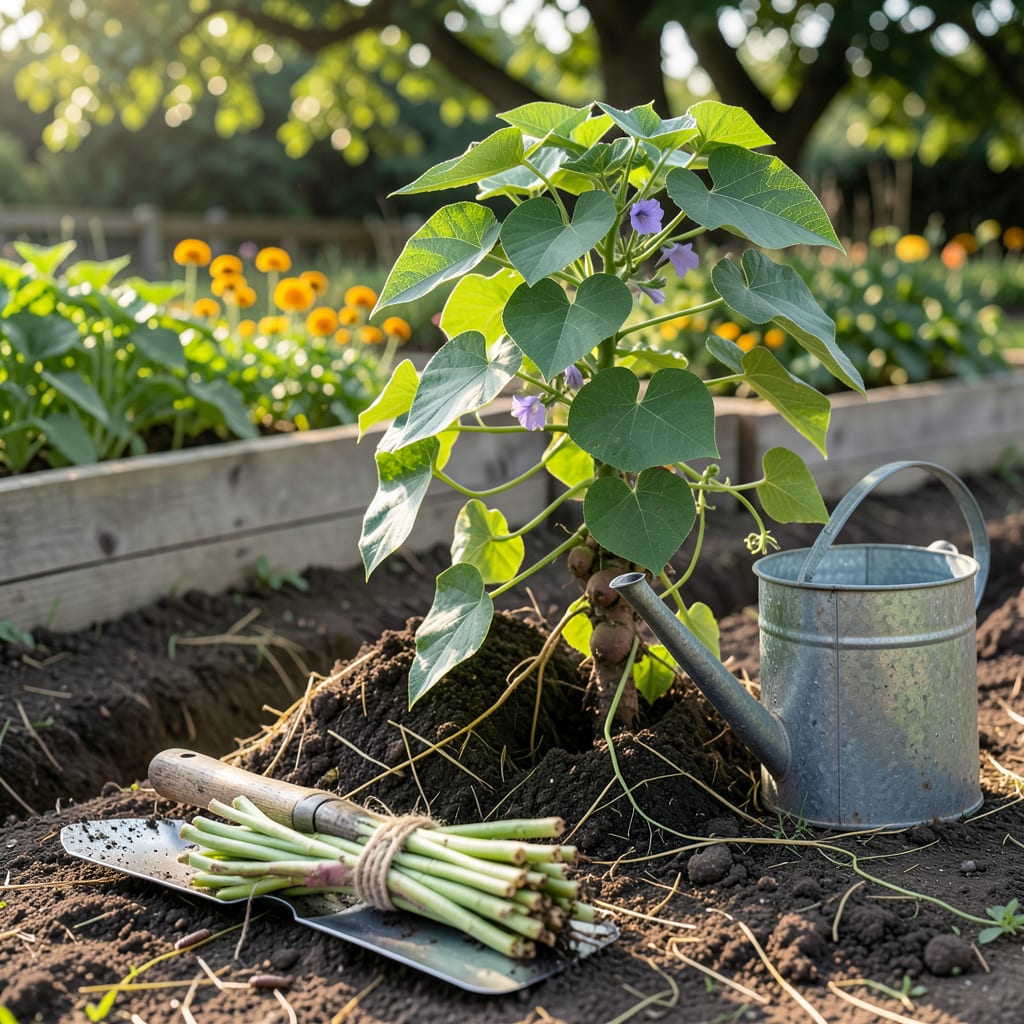
Timing can make or break your 🍠 Sweet Potato harvest in South Carolina. Plant too soon, and a late frost might wipe out your slips. Wait too long, and you’ll miss the long, warm season these heat-loving tubers need to thrive.
After years of testing and tweaking, I’ve nailed down the perfect window for SC growers. Whether you’re in the Coastal Plain or the Upstate, I’ll show you exactly when to get those slips in the ground—and how to set yourself up for a bumper crop come fall.
South Carolina’s diverse climate means your sweet potato planting window depends heavily on where you live. The Coastal Plain warms up faster than the Upstate, giving you a 2-3 week head start if you’re near Charleston or Myrtle Beach.
I’ve broken down the ideal dates by region, factoring in last frost dates and soil temperature thresholds (60°F minimum). Even within zones, microclimates like urban heat islands or sandy soils can shift your timeline by a week or more. 🌱
| Region | Planting Window | Last Frost Date | Soil Prep Tip |
|---|---|---|---|
| Coastal Plain (Zones 8a-9a) |
April 15–May 10 | March 15–April 1 | Add sand for drainage |
| Piedmont (Zone 7b-8a) |
April 25–May 20 | April 10–April 20 | Warm beds with black plastic |
| Upstate (Zone 7a-7b) |
May 10–June 1 | April 20–May 1 | Use raised beds |
If you’re in the Coastal Plain, you can push the envelope and plant as early as April 10 if you’re using row covers. The key is watching the 10-day forecast—no nights below 50°F after planting.
For the Piedmont, I recommend waiting until after Tax Day (April 15) unless you’re using black plastic mulch to warm the soil. This region’s clay-heavy soils stay cooler longer, so raised beds can give you a 1-2 week advantage.
Upstate growers face the shortest season, so don’t plant before May 1 unless you’re prepared to cover slips on chilly nights. The June 1 cutoff ensures tubers mature before the first frost (typically November 15 in Greenville/Spartanburg).
Microclimate matters! If you’re near a lake, river, or in a city like Columbia or Greenville, your soil warms faster. Urban gardens can often plant 1 week earlier than rural areas in the same zone. ☀️
For all regions, soil prep is critical. Sweet potatoes hate soggy roots, so amend heavy clay with compost and sand. A pH of 5.8–6.5 is ideal—test with a kit or send a sample to Clemson Extension’s soil lab.
If you miss your ideal window, don’t panic. You can still plant slips until June 15 in most of SC, but opt for fast-maturing varieties like ‘Beauregard’ (90 days) or ‘Georgia Jet’ (100 days) to beat the frost.
Remember, sweet potatoes need 100–140 days to mature. Count backward from your first frost date to pick the latest safe planting day. In Charleston, that’s around November 10; in the Upstate, aim for October 20 harvest. 🪴
Even with perfect timing, a few common mistakes can sabotage your 🍠 sweet potato harvest. I’ve seen SC gardeners lose half their crop to preventable errors—like planting slips too deep or ignoring soil pH. Let’s fix these before they cost you bushels of tubers.
The biggest offender? Planting slips too deep. Bury them more than 3–4 inches, and you’ll smother the stems, delaying root development. Slips should sit just deep enough to cover the roots—think “ankle-deep”, not “knee-deep.” 🌱
Another silent yield-killer: ignoring soil pH. Sweet potatoes thrive in slightly acidic soil (5.8–6.5). SC’s Piedmont clay often skews alkaline, locking out nutrients. Test with a $10 kit—or mix 1 cup sulfur per 10 sq ft if your pH reads above 7.0.
Overwatering is the third big mistake, especially in our humid summers. Sweet potatoes need consistent moisture, but soggy soil invites fungal diseases like root rot. Stick your finger 2 inches deep—if it’s damp, skip watering. Drip irrigation works best to keep foliage dry. 💧
Here’s a pro trick: Never plant into cold, wet soil. Even if air temps hit 70°F, soil below 60°F shocks slips. Use a soil thermometer (or check your local Extension’s reports). Coastal gardeners can often plant by April 15, but Upstate folks may need to wait until May 1 for safe soil temps.
Finally, watch for pest pressure. SC’s humidity attracts sweet potato weevils and wireworms. Rotate crops annually, and avoid planting where you grew solanaceae (tomatoes, peppers) last year. A floating row cover for the first 3 weeks can block pests without chemicals. ✂️
Fix these four issues, and you’ll see bigger tubers, fewer losses, and a harvest that stores well into winter. Next, let’s talk about stretching your season for multiple harvests—even in SC’s shorter Upstate growing window.
Want to enjoy 🍠 sweet potatoes well beyond a single harvest? In South Carolina, our long growing season gives you a rare chance to stagger plantings and stretch your yield from early fall through winter. The secret lies in timing and variety selection.
I’ve found that succession planting works beautifully here. Start your first slips in mid-April (Coastal) or early May (Upstate), then add a second batch 2–3 weeks later. This ensures a continuous harvest instead of one overwhelming pile of tubers. ☀️
For Coastal SC, you can push the envelope with a third planting by June 1 if you use ‘Porto Rico’ bush variety (90 days). Pair this with black plastic mulch to speed up soil warming, and you’ll harvest in early September—just as your first planting is ready.
In the Piedmont and Upstate, focus on soil warming tricks. I lay black plastic 2–3 weeks before planting to bake the soil, then cut X-shaped slits for slips. This method can buy you an extra week on either end of the season. Add a low tunnel in fall to protect vines from light frosts. 🌿
Don’t overlook container growing for small spaces or patios. A 5-gallon bucket per slip with drainage holes lets you move plants to sunnier spots or shelter during unexpected cold snaps. Use a lightweight potting mix with added sand to mimic native soil conditions.
Remember: Sweet potatoes need 100–140 days to mature. Always count backward from your first frost date (November 15 for most of SC) when planning late plantings. For Upstate gardeners, ‘Bonita’ (100 days) is a reliable choice for June plantings—just be ready with row covers by October. 🪴
Coastal gardeners can plant as early as April 15 if soil temps hit 60°F. Use row covers if nights dip below 50°F. Charleston-area growers often start slips by April 10 with protection.
Lay black plastic mulch 2-3 weeks before planting to boost soil temps by 5-7°F. Raised beds also warm quicker than ground-level plots. A soil thermometer ensures accuracy—don’t guess!
Planting after June 1 risks tubers not maturing before frost. Choose fast varieties like ‘Beauregard’ (90 days) and use row covers in October. Late plantings often yield smaller potatoes.
Use 5-gallon buckets with drainage holes and a sandy potting mix. One slip per container. Move pots to follow sun or shelter from unexpected cold snaps. Perfect for patios!
Watch for yellowing leaves and dying vines, typically 100-140 days after planting. Test-dig one tuber—if it’s 4-6 inches long with firm skin, the crop is ready.
