
Beautiful Plants For Your Interior
Beautiful Plants For Your Interior
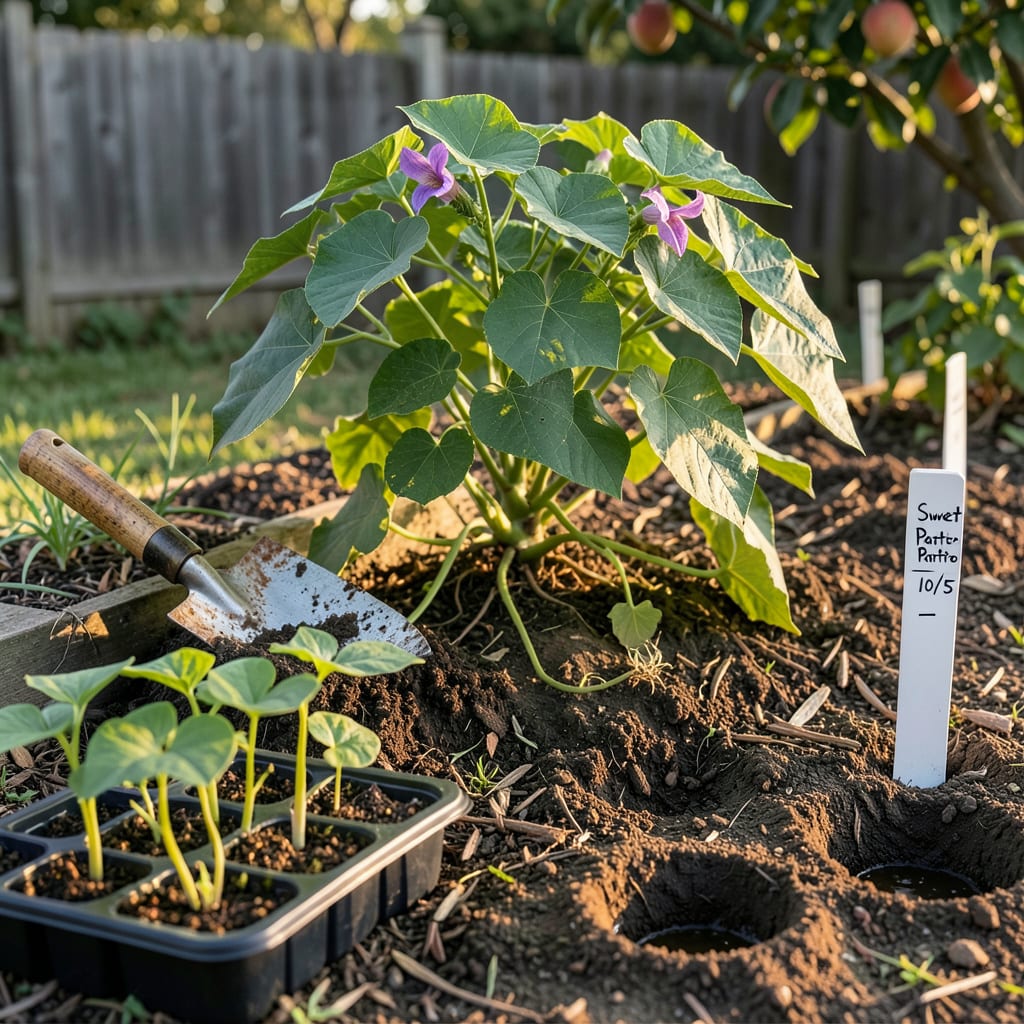
Timing your sweet potato planting in Louisiana’s humid climate can make or break your harvest. Plant too early, and cold soil stunts growth; wait too long, and summer heat stresses the vines. After years of testing, I’ve found the perfect window—and it’s not what most gardeners expect.
The 🍠 Sweet Potato thrives when the soil hits 65°F, but Louisiana’s microclimates add complexity. Whether you’re in Shreveport or New Orleans, I’ll show you exactly when to plant for a bumper crop—and how to avoid the 3 critical mistakes that ruin yields.
Louisiana’s humid subtropical climate gives us a longer growing season than most states, but timing sweet potato planting still requires precision. The key is waiting until soil temperatures hit a consistent 65°F—plant too early, and cold soil causes rot; plant too late, and summer heat stresses the vines.
Our state spans USDA zones 8a–9b, meaning planting windows vary. North Louisiana gardeners near Shreveport should aim for late April, while those in South Louisiana (like New Orleans) can start as early as mid-March. Central Louisiana falls somewhere in between.
For the most accurate timing, I recommend using a soil thermometer to check temps at a 4-inch depth for three consecutive mornings. If you’re planting slips (the preferred method), ensure they’ve rooted well before transplanting. Direct-seeding isn’t ideal in Louisiana’s heavy clay soils.
Our last frost date ranges from March 1 in the south to April 1 up north, but don’t let that fool you—sweet potatoes hate cold. Even a light frost can kill young slips. If an unexpected late freeze hits, cover plants with frost cloth or old blankets overnight.
Once planted, sweet potatoes need full sun (6+ hours daily) and loose, well-draining soil. In heavy clay areas, I mix in 3–4 inches of compost and create raised rows (12–18 inches tall) to improve drainage. Spacing matters too: plant slips 12–18 inches apart in rows 3–4 feet apart.
Watering is critical in the first 30 days—aim for 1–1.5 inches per week, but taper off as vines establish. Too much water later in the season leads to cracked tubers. Mulch with straw or pine needles to retain moisture and suppress weeds without smothering vines.
Watch for sweet potato weevils (especially in South LA) and wireworms in heavier soils. I use neem oil sprays every 2 weeks for weevils and beneficial nematodes for wireworms. Avoid chemical pesticides—they can harm pollinators and disrupt soil health.
Most varieties take 90–120 days to mature. Start checking for readiness when vines begin yellowing and dying back. Use a garden fork to gently lift tubers, being careful not to pierce them. Cure harvested sweet potatoes in a warm (80–85°F), humid spot for 10 days to improve flavor and storage life.
For Louisiana gardeners, I recommend ‘Beauregard’ (disease-resistant, 100 days) or ‘Covington’ (heat-tolerant, 110 days). Both thrive in our climate and store well. If you’re short on space, try ‘Bonita’ (bush-type, 90 days) in containers or small raised beds.
Remember, our first frost hits around November 15 in most areas, so plan your planting date to ensure tubers mature before cold weather. With the right timing and care, you’ll be rewarded with a harvest that’s sweeter than anything from the store! 🌱
Even experienced Louisiana gardeners can sabotage their sweet potato crop by making just one of these three mistakes. The first—and most common—is planting too early when soil temps are below 65°F. Cold soil causes slips to rot before they even sprout.
Another yield-killer is ignoring our state’s heavy clay soils. Sweet potatoes need loose, well-draining conditions to expand properly. Without amending with compost or creating raised rows, you’ll end up with stunted, misshapen tubers—or worse, root rot after heavy rains.
Louisiana-Specific Warning:
South Louisiana gardeners face an extra risk: hurricane season (June–November). Plant too late, and heavy rains can flood beds before harvest. Aim to have tubers fully formed by late August to avoid storm damage.
The third mistake is misjudging the 100–140 day maturity window. Many gardeners plant in May, not realizing their variety won’t mature before our first frost (November 15). Always check your variety’s days-to-harvest and count backward from that date.
Here’s how to fix these issues: Use a soil thermometer to confirm temps, build raised rows (12–18″ tall) with compost, and choose fast-maturing varieties like ‘Bonita’ (90 days) if you’re planting late. In South LA, add a drip irrigation system to prevent waterlogging during summer storms.
I’ve seen gardeners lose entire crops by planting store-bought sweet potatoes instead of certified disease-free slips. Grocery store tubers often carry viruses that spread to your garden. Always source slips from reputable nurseries like Louisiana State University’s AgCenter or local farmers’ markets.
Finally, don’t skip the curing process after harvest. Many Louisiana gardeners wash tubers immediately, which removes their natural protective coating. Instead, let them dry in the sun for a few hours, then cure in a warm (80–85°F), humid place for 10 days to sweeten the flavor and extend storage life. 🌱
Choosing the right sweet potato variety can shave weeks off your harvest time while boosting disease resistance in Louisiana’s humid climate. Not all varieties thrive equally here—some wilt in our heat, while others resist the sweet potato weevils that plague South Louisiana gardens.
After testing dozens of varieties, I’ve narrowed it down to three top performers for our state: ‘Beauregard’ (the classic Louisiana favorite), ‘Covington’ (heat-tolerant and high-yielding), and ‘Bonita’ (perfect for containers and small spaces). Each has unique strengths for our USDA zones 8a–9b.
‘Beauregard’ remains the gold standard for Louisiana gardeners. Developed by LSU, it resists fusarium wilt and root-knot nematodes—two common issues in our soils. With a 100-day maturity, it’s perfect for planting in March–April and harvesting before hurricane season peaks.
For gardeners in heavy clay areas (like Baton Rouge or Monroe), ‘Covington’ is my top pick. Its vigorous vines tolerate our summer heat waves better than most, and the tubers develop evenly even in less-than-perfect soil. Just give it 110 days to reach full size.
If you’re short on space, ‘Bonita’ is a game-changer. This bush-type variety stays compact (spreading only 3–4 feet) and matures in just 90 days. I’ve grown it successfully in 5-gallon buckets on my patio—just ensure containers have drainage holes to prevent root rot.
Where to buy slips? Skip the grocery store and order from LSU AgCenter or local farmers’ markets in early spring. For organic options, Southern Exposure Seed Exchange ships high-quality slips that arrive ready to plant. Always choose certified disease-free slips to avoid introducing pests to your garden.
In areas like New Orleans, you can start as early as mid-March if soil temps reach 65°F. Always use a soil thermometer to confirm—cold snaps can still occur, so keep frost cloth handy just in case.
Choose bush varieties like ‘Bonita’ and use 5-gallon containers with drainage holes. Fill with a mix of compost and sandy soil to mimic loose garden beds. Containers dry out faster, so check moisture daily.
Look for vines yellowing and dying back, typically 90–120 days after planting. Test a tuber by gently lifting—if the skin resists peeling and the size is 4–6 inches, it’s ready. Avoid harvesting after heavy rain when soil is waterlogged.
Planting too early in cold soil! Sweet potatoes rot below 60°F. Another common error is overwatering—stick to 1–1.5 inches per week and taper off as vines mature. Skipping the curing process also shortens storage life.
Use a low-nitrogen fertilizer (5-10-10) at planting, then lightly feed every 4–6 weeks. Our rich soils often need less fertilizer than other regions. Avoid high-nitrogen blends—they produce leafy vines but fewer tubers.
