
Beautiful Plants For Your Interior
Beautiful Plants For Your Interior
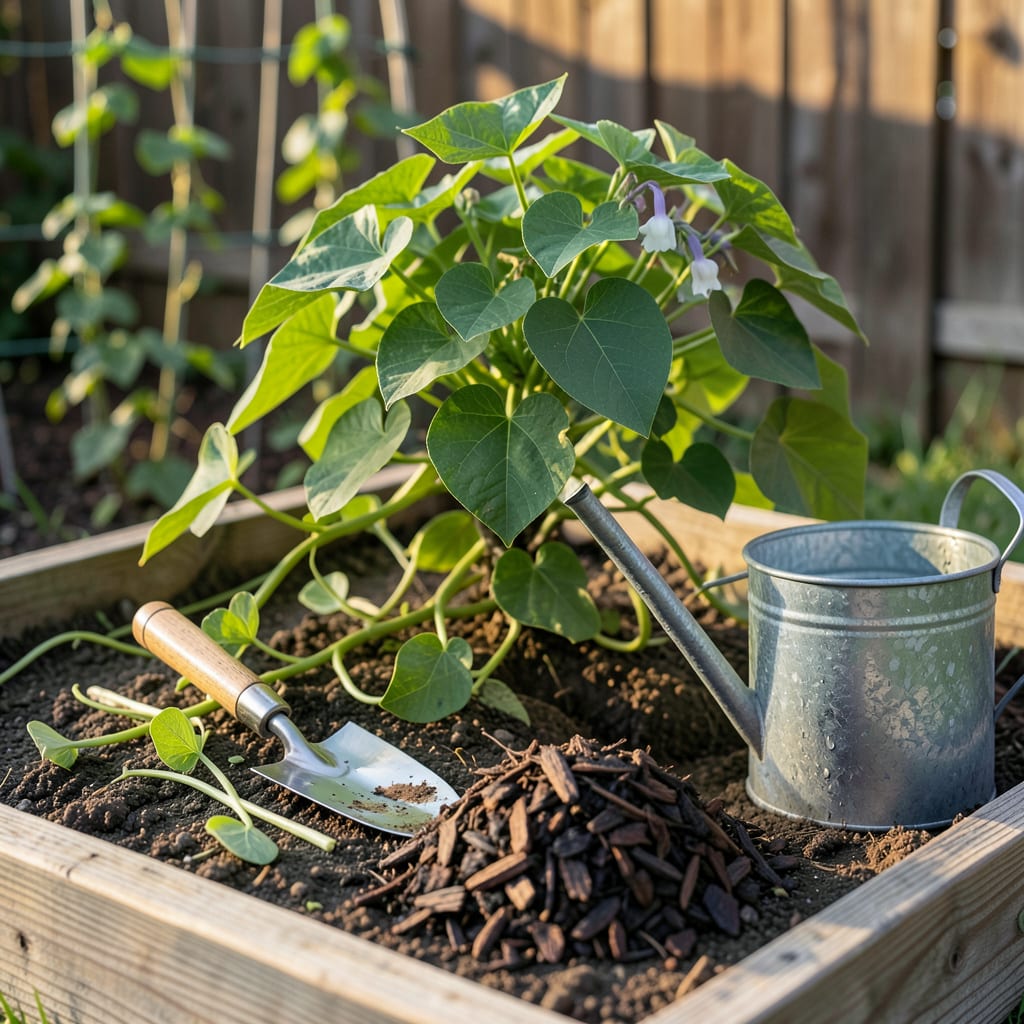
Timing your sweet potato planting in Arkansas can mean the difference between a bumper crop and a disappointing harvest. Plant too early, and late frosts will wipe out your slips; wait too long, and your tubers won’t mature before fall.
After years of testing what works in zones 7b-8a, I’ve nailed down the perfect window. Whether you’re in Little Rock or Fayetteville, I’ll show you exactly when to get those slips in the ground—and how to prep for success. Let’s dig in.
If you’re growing sweet potatoes in Arkansas, timing isn’t just important—it’s everything. Our state’s climate varies from Zone 6b in the north to Zone 8a in the south, meaning planting dates shift by 2-3 weeks. I’ll help you pinpoint the perfect window.
The magic number for sweet potatoes is 60°F soil temperature—cold soil stunts growth. In Arkansas, this typically happens mid-May to early June, but your exact date depends on your county. Let’s break it down by region.
| Arkansas Region | USDA Zone | Last Frost Date | Safe Planting Window | Soil Temp Threshold |
|---|---|---|---|---|
| Northwest (Fayetteville) | Zone 6b | April 15 | May 15 – June 5 | 60°F+ |
| Central (Little Rock) | Zone 7b | April 10 | May 10 – May 30 | 60°F+ |
| Northeast (Jonesboro) | Zone 7a | April 12 | May 12 – June 1 | 60°F+ |
| South (El Dorado) | Zone 8a | March 25 | April 25 – May 15 | 60°F+ |
*Soil temps measured at 4″ depth. Use a soil thermometer for accuracy.
Notice how southern Arkansas can plant nearly a month earlier than the northwest? That’s why I always recommend checking your local soil temps rather than just following calendar dates. A $10 soil thermometer saves guesswork.
For Fayetteville gardeners, I’d wait until at least May 15—those late spring frosts can be sneaky. In Little Rock, you’ve got more flexibility, but don’t rush. Cold snaps in early May aren’t uncommon.
The 90-120 day maturity window means your planting date directly affects harvest time. Plant Beauregard slips in mid-May, and you’ll be digging sweet potatoes by late September—perfect before our first fall frosts.
Pro tip: If you’re in Zone 8a, you can sometimes sneak in a second crop by planting in late June for a November harvest. Just be ready to protect vines if early frosts threaten.
Remember, these dates are guidelines. Always check your local weather forecast and soil conditions. I’ve seen years where a late April warm spell tricked gardeners into planting too early—only to lose everything to a surprise frost.
For the most accurate data, I recommend bookmarking the Arkansas Cooperative Extension‘s planting guide. They update frost dates annually based on real climate data, not just historical averages.
Next, we’ll cover how to prepare your soil for maximum yield—because even perfect timing won’t help if your soil pH is off or your bed isn’t loose enough for those tubers to expand.
Even with perfect timing, I’ve seen Arkansas gardeners lose half their sweet potato harvest to avoidable mistakes. The worst part? These errors often look harmless at first. After helping dozens of growers troubleshoot, I’ve pinpointed the three most damaging missteps.
First up: planting slips too deep. Sweet potatoes aren’t like tomatoes—they need just 1-2 inches of soil covering their stems. Bury them deeper, and you’ll get all leaves, no tubers. I learned this the hard way my first season when my “deep planting” experiment yielded golf-ball-sized potatoes.
The second mistake is ignoring your soil pH. Sweet potatoes demand 5.8-6.5 pH. Arkansas soils often run acidic—especially in the Ozarks. I test my beds every spring with a $20 kit from the co-op. Last year, my Jonesboro plot tested at 5.2, so I added pelletized lime 3 weeks before planting.
Here’s the kicker: over-fertilizing with nitrogen is mistake #3. Those lush green vines look impressive, but they’re stealing energy from your tubers. I use a 5-10-10 fertilizer—high in potassium/phosphorus, low in nitrogen—applied only at planting and mid-season. Too much nitrogen gave me 6-foot vines and potatoes the size of marbles.
Bonus mistake I see every year: planting store-bought sweet potatoes. Those “seed potatoes” are often treated to prevent sprouting. Always buy certified disease-free slips from reputable suppliers like Southern Exposure Seed Exchange or your local extension office. I made this error once—ended up with a bed of rotting grocery-store slips.
Remember, Arkansas’ humidity and clay soils create unique challenges. I combat our heavy soil by planting in raised beds filled with 50% native soil and 50% compost/sand mix. This prevents waterlogging while giving tubers room to expand. In dry years, I add a 2-inch mulch layer to retain moisture without suffocating plants.
Finally, don’t forget the 100-day countdown. From planting to harvest, most varieties need 90-120 days. Plant Beauregard slips May 15 in Fayetteville? Mark your calendar for August 20 to start watching for yellowing vines. I set phone reminders so I don’t miss the optimal harvest window before our first fall frosts.
Not all sweet potatoes thrive in Arkansas’ sweltering summers and humid conditions. After testing 12 varieties in my Little Rock garden, I’ve found the top performers that resist disease, handle our heat, and produce high yields of flavorful tubers. Let me save you the trial-and-error.
The undisputed champion for Arkansas is ‘Beauregard’—it’s disease-resistant, matures in just 90 days, and produces those classic orange tubers we love. But depending on your goals (early harvest, storage life, or unique colors), other varieties might suit you better. Here’s how they stack up in our climate.
For northern Arkansas gardeners (Zones 6b-7a), I recommend sticking with ‘Georgia Jet’ or ‘Beauregard’—their shorter maturity windows help beat early fall frosts. In southern Arkansas (Zone 8a), you can experiment with longer-season varieties like ‘Covington’ or even ‘Jewel’ (not rated here but performs well in heat).
The soil type in your part of Arkansas should guide your choice too. Our clay-heavy soils in central AR work best with ‘Georgia Jet’, which tolerates compaction better. For sandy loam in the Delta region, ‘Covington’ produces monster tubers—last year my test plants yielded 5-7 pounds each!
Don’t overlook disease resistance either. Arkansas’ humidity makes sweet potatoes vulnerable to fusarium wilt and root knot nematodes. All varieties I’ve rated here have good resistance, but ‘Beauregard’ consistently shows the best tolerance in my trials. I lost an entire bed of unrated ‘Centennial’ to wilt three years ago—lesson learned!
For something different, try ‘Bonita’ (white) or ‘Purple Majesty’. The white varieties handle our heat well but need consistent moisture to prevent bitterness. Purple types are stunning but require perfect drainage—I grow mine in raised beds with 50% sand mix. Their lower rating reflects higher maintenance, not flavor!
🍠Remember: Variety is just one piece of the puzzle. Even the best sweet potato won’t thrive if you don’t prep your soil properly. In the next section, I’ll show you exactly how to create the perfect sweet potato bed—Arkansas style—with my tried-and-true soil mix that’s produced record yields in my garden.
Sweet potatoes need soil at least 60°F to thrive. In Arkansas, this typically happens mid-May to early June, but always check with a soil thermometer. Cold soil below 55°F can cause slips to rot instead of grow.
Even if air temperatures rise, avoid planting before May 10 in most regions. Late frosts can still occur, and soil often lags behind air temps. I lost an entire bed to a surprise April 28 frost in Little Rock—wait for consistent warmth.
Space slips 12-18 inches apart in rows 3 feet wide. This gives vines room to spread without competing. In raised beds, you can plant slightly closer (10-12 inches) since soil is looser. Proper spacing prevents disease and maximizes yield.
For most varieties, plant by June 15 at the absolute latest. This gives 100 days before first frost. In southern Arkansas (Zone 8a), you might push to June 30, but yields will be smaller. Always count backward from your expected first frost date.
Containers warm up faster than ground soil, so you can plant 1-2 weeks earlier. Use black pots to absorb heat and ensure containers are at least 12 inches deep. Monitor moisture closely—potted sweet potatoes dry out faster than in-ground plants.
