
Beautiful Plants For Your Interior
Beautiful Plants For Your Interior
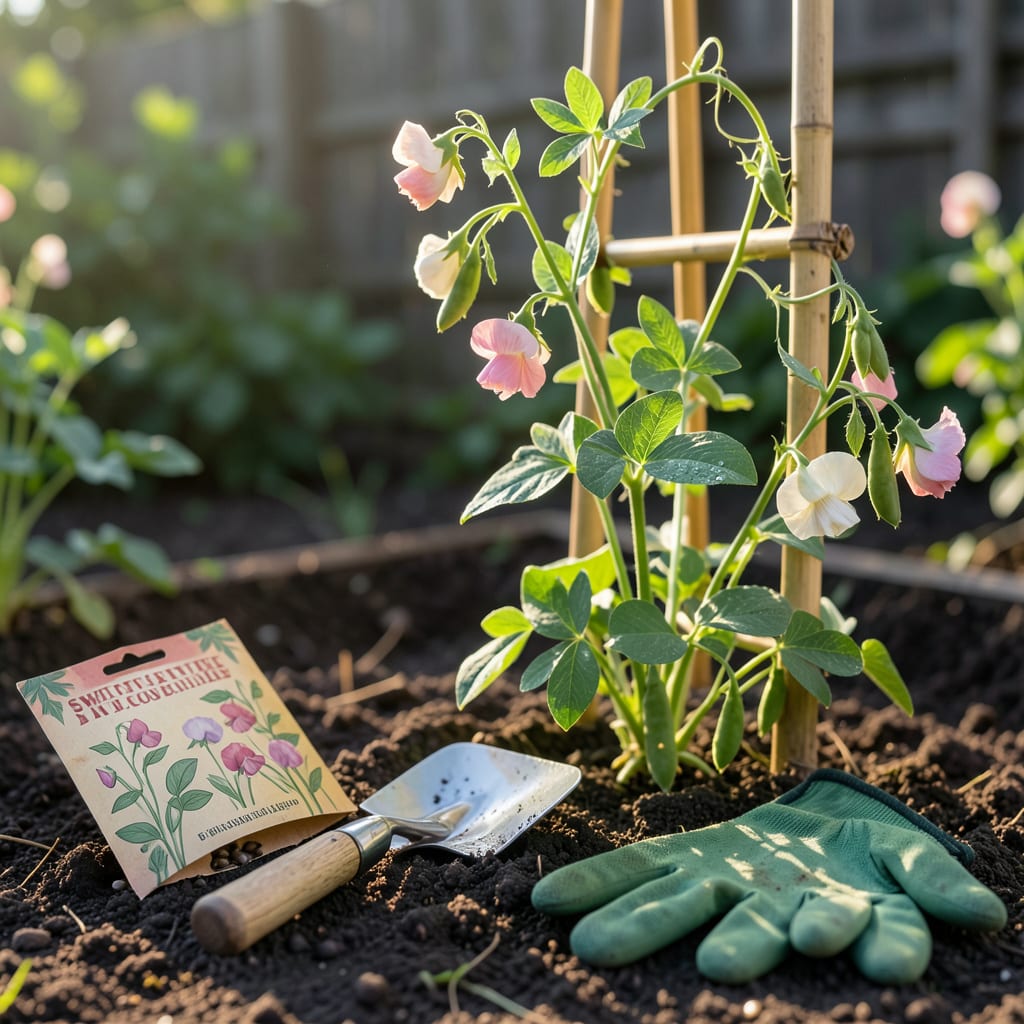
There’s nothing quite like the delicate fragrance of 🌸 Sweet Peas climbing a trellis—unless you plant them at the wrong time. In Southern California, our “winter” is your secret weapon, but miss that cool-season window, and you’ll be left with leggy vines and zero blooms.
I’ve seen gardeners swear by October plantings along the coast while inland folks push theirs to November—both with stunning results. The difference? Microclimates and a few critical weeks. Let’s break down exactly when to get those seeds in the ground for a showstopping spring display.
If you’ve ever tried growing sweet peas in Southern California, you know timing isn’t just a suggestion—it’s the difference between a vibrant, fragrant cascade and a sad, heat-wilted flop. The golden rule? Plant when soils are cool but not frozen, which in our USDA Zones 9–11 means fall or early spring. 🌱
But here’s the twist: Coastal gardens (think Santa Monica or San Diego) and inland valleys (like Riverside or the IE) can vary by 4–6 weeks in ideal planting time. Along the coast, October through November is prime time, while inland gardeners often push planting to late November or even December to avoid late fall heatwaves. ☀️
| Region | Best Planting Months | Avoid Planting In | Key Consideration |
|---|---|---|---|
| Coastal SoCal (Zones 10–11) | October–November | January–February (risk of late frosts) | Mild winters allow earlier planting; watch for Santa Ana winds drying soil. |
| Inland SoCal (Zone 9) | November–December | September–October (late heatwaves) | Hotter fall temps require later planting; mulch to protect roots from cold snaps. |
| Both Regions | February–March (spring backup) | April+ (heat stress) | Spring-planted sweet peas may have shorter bloom time but still thrive with shade cloth. |
Why the split? Coastal areas stay cooler longer, so October-planted seeds get a head start before winter slows growth. Inland, November’s cooler soils prevent seeds from rotting in residual summer warmth. I’ve seen gardeners in Pasadena lose entire patches by planting in September’s 90°F heat—don’t be that gardener! 🌡️
For spring planting, aim for February–early March in both regions. This works as a backup plan if fall planting fails, but expect fewer blooms. Pro tip: Soak seeds overnight in lukewarm water to speed germination, and plant near a trellis or fence—sweet peas climb 6–8 feet and flop without support. 🪴
Watch the microclimates too! A south-facing wall in Los Angeles can be 5–10°F warmer than a shaded north side, while inland foothills may dip into the 30s overnight. Use a soil thermometer—ideal planting temps are 50–65°F. If your soil hits 70°F+, wait or risk poor germination. ✂️
What about frost? Coastal SoCal rarely sees it, but inland areas like Temecula or Hemet might get light frosts in December–January. Sweet peas tolerate light frost (down to 28°F), but young seedlings need protection. Cover them with frost cloth or plant near a windbreak to shield from cold snaps. ❄️
If you’re succession planting, try this: Sow half your seeds in October and the rest in February. This staggers blooms from March through June, giving you months of cut flowers. Just avoid planting in January—it’s often too wet and cold for seeds to thrive. 💧
Remember, sweet peas are cool-season annuals—they hate heat. Once temps hit 80°F+, blooms fade fast. That’s why fall planting is ideal: Plants establish roots over winter, then explode with flowers in spring’s 60–75°F sweet spot. Inland gardeners, take note: Your spring window closes by mid-March. 🌷
Still unsure? Check your local UC Master Gardener program for hyper-local advice. They often publish monthly planting guides tailored to your exact zip code. And if all else fails, experiment**! Plant a small batch in October and another in December to see what works best in your yard. Gardening’s all about learning from the dirt up. 🌿
Sweet peas are the overachievers of the cool season, but even in Southern California, their blooming window can feel frustratingly short. The secret? A few strategic tweaks to outsmart our Mediterranean climate. I’ve tested these tricks in my own garden—from Pasadena’s heat to Long Beach’s ocean breezes—and they’ve added weeks to my bloom time. 🌸
First, succession planting isn’t just for veggies. Sow one-third of your seeds in October, another third in late November, and the final batch in early February. This staggers blooms so you’re not left with a single flush of flowers that fizzles by April. Coastal gardeners can push the February batch to late January, while inland folks should wait until after Valentine’s Day to avoid frost nibbling tender sprouts. ⏰
Inland gardeners, afternoon shade is your best friend. Sweet peas wilt dramatically when temps hit 85°F+, but a simple trellis on the east side of a fence or dappled shade from a deciduous tree can buy you extra weeks of blooms. I once lost a entire patch of ‘Cupani’ sweet peas in Riverside by planting them in full west-facing sun—lesson learned! ☀️
Here’s a game-changer for coastal gardens: Plant near a white wall or light-colored fence. The reflected light reduces fungal diseases (common in foggy May Gray/June Gloom seasons) while keeping plants just warm enough to avoid stunting. Pair this with morning watering to let foliage dry before evening moisture rolls in. 🌫️
Don’t overlook variety selection. Heat-tolerant types like ‘Heatwave’ or ‘Royal Family’ hold up better in inland valleys, while ‘Old Spice Mix’ thrives in cooler coastal zones. If you’re growing for cut flowers, prioritize long-stemmed varieties like ‘Spencer Mix’ and harvest in the early morning for the longest vase life. ✂️
Finally, watch the forecast like a hawk. If a Santa Ana wind event is predicted, give plants a deep watering 24 hours beforehand—dry winds desiccate tender blooms overnight. And if unseasonable heat (like a 90°F April day) hits, mist plants lightly in the late afternoon to cool them down. It’s a small effort for big rewards. 🌡️
Remember, sweet peas are cool-season divas—they demand attention but repay you with months of fragrance and color. By tweaking your planting times, microclimate, and care routine, you can stretch their season from March all the way to June in most of SoCal. And if all else fails? Plant a second crop in February as insurance. Happy gardening! 🌿
Not all sweet peas are created equal—especially in Southern California, where coastal fog and inland heat demand different traits. After testing dozens of varieties in my own garden, I’ve found the top performers that laugh at our May Gray and shrug off Santa Ana winds. 🌸
The secret? Matching the variety to your microclimate. Coastal gardeners need mildew-resistant types that thrive in humid, cool conditions, while inland growers should hunt for heat-tolerant cultivars that won’t wilt by April. Here’s my shortlist of SoCal-proven winners, organized by what matters most: fragrance, heat tolerance, and bloom time. 🌷
| Variety | Best For | Fragrance | Heat Tolerance | Vine Length |
|---|---|---|---|---|
| ‘Old Spice Mix’ | Coastal zones | ⭐⭐⭐⭐⭐ | Moderate | 6–8 ft |
| ‘Heatwave’ | Inland valleys | ⭐⭐⭐⭐ | High | 5–7 ft |
| ‘Cupani’ | Both regions | ⭐⭐⭐⭐ | Moderate | 4–6 ft |
| ‘Royal Family’ | Inland heat | ⭐⭐⭐ | Very high | 6–8 ft |
| ‘Spencer Mix’ | Cut flowers | ⭐⭐⭐⭐ | Moderate | 6–10 ft |
For coastal gardens, ‘Old Spice Mix’ is my top pick. Its strong fragrance cuts through morning fog, and the mixed colors brighten up overcast days. Pair it with ‘Cupani’ (the original heirloom) for early blooms—it often flowers 2 weeks ahead of other varieties, giving you color by late February. ✂️
Inland gardeners, ‘Heatwave’ and ‘Royal Family’ are your best bets. Both handle 90°F+ temps better than most, though you’ll still need afternoon shade once summer nears. ‘Royal Family’ has ruffled petals that hold up in dry winds, while ‘Heatwave’ keeps blooming 2–3 weeks longer than standard varieties. 🌡️
Want cut flowers? ‘Spencer Mix’ delivers long stems perfect for bouquets. Its strong vines climb 8–10 feet, so give it a tall trellis. For container gardens, try ‘Snoopea’ (a bush type) or ‘Little Sweetheart’—both stay under 3 feet and thrive in patio pots. 🪴
Pro tip: Buy seeds from local nurseries like Theodore Payne or Rancho Santa Ana Botanic Garden. Their selections are pre-tested for SoCal’s quirks. And if you’re saving seeds, ‘Cupani’ and ‘Painted Lady’ are open-pollinated, so they’ll grow true year after year. Just store seeds in a cool, dry place until next fall. 🌱
January is not ideal for direct sowing. Coastal areas may face excessive rain, while inland regions risk cold snaps that stall germination. Instead, plant in October–November or wait until February for spring blooms.
Use a windbreak like burlap or a low fence to shield young plants. Mulch heavily with straw or shredded leaves to prevent soil drying. Water deeply 24 hours before predicted winds to fortify roots.
Inland gardeners should sow by mid-March; coastal gardeners can push to late March. Later plantings may bloom but often struggle with heat stress by May. Use shade cloth to extend their season.
Soaking seeds overnight in lukewarm water speeds germination by 3–5 days. This is especially helpful in cooler coastal areas. Skip soaking if your soil is already very moist to avoid rot.
