
Beautiful Plants For Your Interior
Beautiful Plants For Your Interior
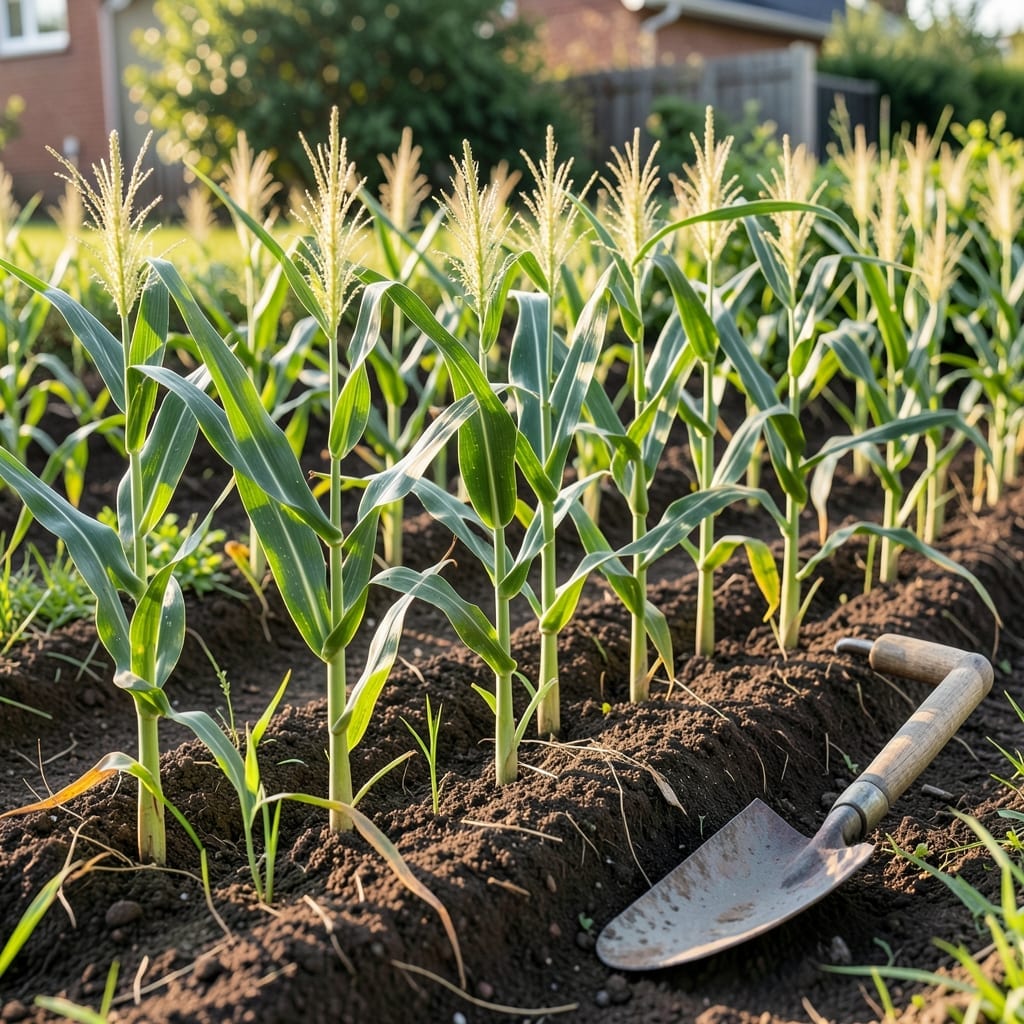
Timing is everything when planting Sweet Corn in NC—plant too early and frost may kill your seedlings, too late and the summer heat can stunt growth.
In our 7b-8a climate, getting that perfect window means the difference between a bountiful harvest and disappointment. I’ve learned the hard way that rushing the season rarely pays off.
The spring planting calendar for 🌽 is tighter than you might think. Wait for the soil to warm properly, and you’ll set yourself up for those July to September harvests we all crave.
Discover how to read your local conditions and pick the ideal moment to get those seeds in the ground. Your future self will thank you when those ears are ready to pick.
North Carolina’s diverse climate zones mean sweet corn planting times vary significantly. The Coastal Plains warm up fastest, while the Mountains stay cooler longer, affecting when you can safely sow seeds. 🌱
For the best results, I always check soil temperature—it must be at least 60°F for germination. In most of NC, this happens between mid-April and early June, but regional adjustments are key. 🌡️
| NC Region | Planting Window | Last Frost Date | Soil Temp Target |
|---|---|---|---|
| Coastal Plains | Early April – Mid-May | March 15-30 | 60-65°F |
| Piedmont | Mid-April – Late May | April 1-15 | 60-65°F |
| Mountains | Late April – Early June | April 15-30 | 60°F minimum |
In the Coastal Plains, I start planting as early as April 1st if the soil is warm enough. The Piedmont region typically sees its last frost around April 15th, making mid-month a safe bet for most growers. ☀️
The Mountain areas of NC are trickier—wait until late April or early May to avoid late frosts. I’ve learned that elevation matters here; higher areas may need to wait until early June for optimal conditions.
For all regions, I recommend using a soil thermometer to confirm temperatures. Sweet corn seeds won’t germinate well in cold soil, and you risk poor stands or stunted growth if planted too early.
Another key factor is the corn variety. Early-maturing types like ‘Early Sunglow’ can be planted a week or two sooner, while late varieties need the extra warmth of late May or early June.
I also watch the 10-day forecast before planting. If a cold snap is predicted, I’ll delay sowing. Sweet corn is sensitive to frost, and even a light freeze can kill young seedlings. 🌧️
For succession planting, I space my plantings 10-14 days apart to extend the harvest. In warmer regions like the Coastal Plains, you might get away with a third planting in early July for a fall crop.
Remember, consistent moisture is critical during germination. I water my plantings daily if rain isn’t in the forecast, keeping the soil evenly moist until seedlings emerge, usually in 7-10 days. 💧
Planting Sweet Corn in NC requires more than just good timing. I’ve found that soil prep is just as critical as picking the right date. Start by testing your soil’s pH—6.0 to 6.8 is ideal for sweet corn to thrive.
Our state’s humid summers demand consistent moisture, but don’t drown your seeds. 1-2 inches of water weekly, especially during tasseling, keeps plants happy without waterlogging the roots.
🌱 Top NC Sweet Corn Planting Tips:
Spacing matters more than you think. Overcrowding leads to poor air circulation and smaller ears. I aim for 4-6 inches between seeds and 30-36 inches between rows to give each plant room to grow.
NC’s unpredictable spring weather can trick you into planting too early. I wait until after April 15 in most regions to avoid late frosts, but coastal areas can start 2-3 weeks earlier.
Don’t forget about pollination—sweet corn is wind-pollinated. Planting in blocks of at least 4 rows ensures better kernel development than single long rows.
Finally, mulching is your best friend in our hot summers. A 2-3 inch layer of organic mulch keeps roots cool and conserves water, which is crucial during those dry spells in July and August.
With these tips, you’ll be well on your way to a bountiful harvest of sweet, juicy ears by midsummer 🌽