
Beautiful Plants For Your Interior
Beautiful Plants For Your Interior
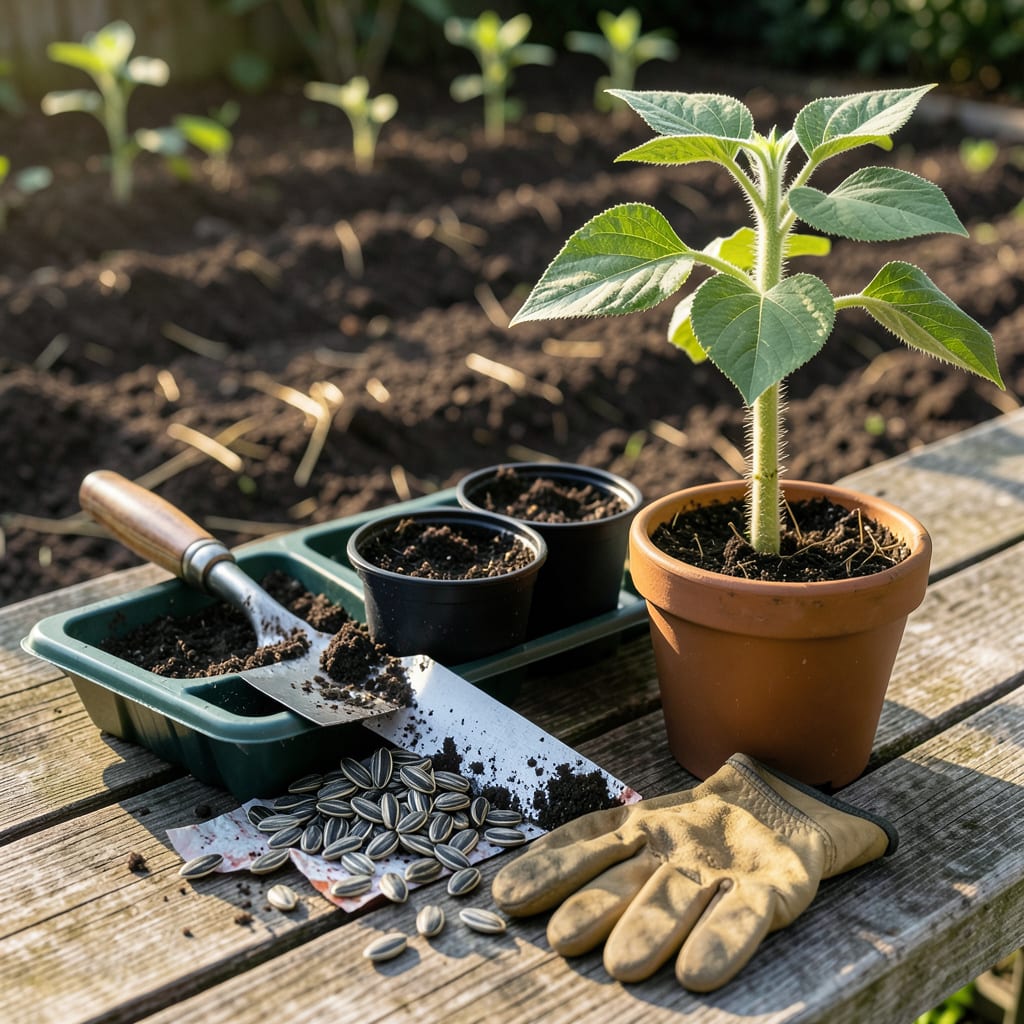
There’s nothing quite like watching a field of towering sunflowers sway in the Wisconsin breeze—but get the timing wrong, and you might end up with stunted stems or frost-damaged seedlings. I’ve seen too many gardeners rush to plant in April, only to lose everything to a late freeze.
The difference between thriving 8-foot giants and disappointing flops comes down to just 2 critical weeks in spring. Let me show you exactly when to plant in Wisconsin’s unpredictable climate—and how to work with your soil, not against it. Your sunflower success starts here.
If you’ve ever watched a Wisconsin spring flip from snow to sunshine in what feels like overnight, you know timing sunflower planting is tricky. Our short growing season (just 120–150 days) means every day counts. Plant too early, and a late frost will turn your seedlings to mush. Wait too long, and your sunflowers won’t mature before autumn’s first chill.
Wisconsin’s three distinct regions—Southern, Central, and Northern—each have unique last frost dates and microclimates. Near Lake Michigan? You’ll get a slightly longer season thanks to the lake effect. Up north in Zone 3? You’re racing against a frost that can hit as early as September 10. Let’s break it down by area.
| Region | USDA Zone | Avg. Last Frost | Safe Planting Window | First Frost Risk | Recommended Varieties |
|---|---|---|---|---|---|
| Southern WI (Milwaukee, Madison, Janesville) |
5a–5b | May 5–15 | May 15–June 5 | Oct 10–20 | ‘Moulin Rouge’, ‘Autumn Beauty’, ‘Lemon Queen’ |
| Central WI (Wausau, Stevens Point, Wisconsin Dells) |
4a–4b | May 10–20 | May 20–June 10 | Sep 20–Oct 5 | ‘Russian Mammoth’, ‘Teddy Bear’, ‘Velvet Queen’ |
| Northern WI (Eau Claire, Rhinelander, Ashland) |
3b–4a | May 15–25 | May 25–June 15 | Sep 10–25 | ‘Dwarf Sunspot’, ‘Elf’, ‘Firecracker’ |
| Lake Michigan Shore (Door County, Sheboygan, Racine) |
5b–6a | April 25–May 10 | May 10–30 | Oct 20–Nov 1 | ‘Giant Sungold’, ‘Skyscraper’, ‘Italian White’ |
Note: Adjust dates by 7–10 days for urban heat islands (e.g., downtown Milwaukee) or microclimates like river valleys. Always check soil temperature—sunflowers need 55°F+ to germinate.
Notice how Northern Wisconsin has a 2–3 week shorter window than the southern counties? That’s why I always recommend fast-maturing varieties (like ‘Dwarf Sunspot’) for gardeners in Zones 3–4. These beauties go from seed to bloom in just 60–70 days, giving you a fighting chance against early fall frosts.
For those of you near Lake Michigan, consider yourself lucky—your extended frost-free period (up to 180 days in Door County!) means you can experiment with giant varieties like ‘Skyscraper’. Just watch for wind damage; those 12-foot stems act like sails in a breeze. Staking or planting near a windbreak (like a fence or shrub row) is a must.
Here’s my pro tip for clay-heavy soil (looking at you, Madison and Milwaukee gardeners): Work in 2–3 inches of compost before planting. Sunflowers aren’t picky, but poor drainage can rot seeds before they sprout. If your soil stays soggy after rain, consider raised beds or mounds to improve airflow.
Don’t forget to check the 10-day forecast before planting. I use the UW-Madison Extension’s frost maps (they’re gold for Wisconsin gardeners) and a soil thermometer. If the overnight lows are still dipping below 40°F, hold off—even if the calendar says it’s time. Sunflower seeds won’t germinate in cold, wet soil.
If you’re itching to get a head start, you can start seeds indoors 2–3 weeks before your last frost date. Use biodegradable pots (like peat or cowpots) to avoid disturbing roots during transplant. Just be warned: Sunflowers hate root disturbance, so handle seedlings with care. I’ve had the best luck direct-sowing, but indoor starts work if you’re in a short-season zone.
For succession planting, try sowing a new batch every 2 weeks until early July. This staggers your blooms, giving you continuous cut flowers (or seed harvests) from August through October. Pair late plantings with fast varieties like ‘Soraya’ (55 days) to beat the frost.
Remember, Wisconsin’s weather is notoriously unpredictable. I’ve seen snow in May and 90°F spikes in June—so stay flexible! Keep row covers or frost blankets handy for surprise cold snaps, and mulch around seedlings to retain warmth. With the right timing, you’ll be rewarded with sky-high stems and vibrant blooms that scream summer in the Badger State.☀️
I’ve seen more sunflower disasters in Wisconsin gardens than I can count—wilted seedlings, stunted stems, and blooms that never open. The culprit? Almost always one of three preventable mistakes that even experienced gardeners make. Let’s tackle them head-on so your sunflowers thrive, not dive.
First up: planting too early. Wisconsin’s spring is a tease—70°F one day, snow the next. I’ve lost count of how many gardeners jump the gun in April, only to watch their seedlings turn to mush after a late frost. Sunflower seeds need soil temps above 55°F to germinate, and young sprouts can’t handle anything below 32°F.
Never plant before your region’s last frost date—even if the calendar says it’s “safe.” Wisconsin’s 2023 late frost hit May 22 in some areas, wiping out early-planted sunflowers. Use a soil thermometer ($10 at any garden center) to confirm temps are consistently above 55°F at 2″ depth. If overnight lows dip below 40°F, hold off!
The second big mistake? Overwatering in clay soil. Much of Wisconsin—especially around Madison and Milwaukee—has heavy clay that holds moisture like a sponge. Sunflowers hate soggy roots, and I’ve seen seeds rot before they even sprout in waterlogged ground. The fix? Amend your soil with compost or plant in raised beds for better drainage.
Here’s how I water my sunflowers: 1–2 inches per week, delivered in deep soaks (not daily sprinkles). Stick your finger 2 inches into the soil—if it’s dry, water; if it’s damp, wait. Morning watering is key to prevent fungal diseases like powdery mildew, which thrives in Wisconsin’s humid summers.
Finally, ignoring pests will ruin your sunflowers faster than a frost. Wisconsin’s deer, rabbits, and birds consider sunflower seedlings an all-you-can-eat buffet. I lost an entire patch of ‘Russian Mammoth’ to deer one year—overnight. Now, I use chicken wire cloches for seedlings and deer netting for taller plants. For birds, reflective tape or old CDs hung near plants works wonders.
Don’t forget about squirrels and chipmunks—they’ll dig up seeds before they sprout. My trick? Cover freshly planted seeds with a thin layer of straw mulch or row fabric until germination. Once plants reach 12–18 inches tall, pests usually leave them alone, but young seedlings are vulnerable.
One last pro tip: Skip the fertilizer overload. Sunflowers are light feeders, and too much nitrogen leads to tall, weak stems that topple in Wisconsin’s summer storms. I use a balanced 5-10-10 fertilizer once when plants hit 12 inches tall, then let nature do the rest. Over-fertilizing also attracts aphids, which love to cluster on sunflower buds.
Avoid these three mistakes, and you’ll be rewarded with sunflowers that stand tall, bloom brightly, and even survive Wisconsin’s finicky weather. Trust me—your future self will thank you when you’re snipping armfuls of golden blooms instead of nursing sad, wilted stems!🌻
Wisconsin’s 120-day growing season isn’t exactly generous, but don’t let that stop you from growing sunflowers. The secret? Picking the right variety for your timeline. I’ve tested dozens of types, and some fast-maturing beauties bloom in as little as 55 days, while towering giants need 110+ days to reach their glory.
If you’re in Northern Wisconsin (Zones 3–4), focus on dwarf or quick-blooming varieties like ‘Moulin Rouge’ or ‘Dwarf Sunspot’. These powerhouses grow 3–5 feet tall and flower in 60–70 days, beating early fall frosts. For Southern Wisconsin (Zone 5), you’ve got more wiggle room—try ‘Russian Mammoth’ or ‘Skyscraper’ for those iconic 10-foot stems.
| Variety | Days to Bloom | Height | Best For | Seed Starting | Pest Resistance |
|---|---|---|---|---|---|
| ‘Moulin Rouge’ | 55–65 days | 4–6 ft | Short seasons, cut flowers | Direct sow or start indoors 3 weeks early | Moderate (deer-resistant) |
| ‘Dwarf Sunspot’ | 50–60 days | 2–3 ft | Containers, small spaces | Direct sow after frost | High (bird/squirrel-resistant) |
| ‘Russian Mammoth’ | 110–120 days | 9–12 ft | Southern WI, seed harvest | Start indoors 4–6 weeks early | Low (deer love these!) |
| ‘Autumn Beauty’ | 75–90 days | 5–7 ft | Pollinators, mixed colors | Direct sow or early indoor start | Moderate (aphid-prone) |
| ‘Teddy Bear’ | 60–70 days | 2–4 ft | Kids’ gardens, containers | Direct sow (easy! | High (fluffy blooms deter pests) |
Tip: For Northern WI, stick to varieties under 70 days. Southern WI gardeners can experiment with 90+ day giants if started indoors.
Want to extend your season? Start seeds indoors 4–6 weeks before your last frost (around early April for most of Wisconsin). Use biodegradable pots to avoid transplant shock—sunflowers hate root disturbance. I’ve had great success with ‘Moulin Rouge’ started indoors; they transplant well if handled gently.
If you’re direct-sowing (my preferred method), wait until soil temps hit 55°F. In clay-heavy areas, create raised mounds to improve drainage. Plant seeds 1–2 inches deep and 6–12 inches apart, depending on the variety. For giant sunflowers, space them 18–24 inches apart—they need room to stretch!
For continuous blooms, try succession planting: sow a new batch every 2 weeks until early July. Pair late plantings with fast varieties like ‘Soraya’ (55 days) to ensure blooms before frost. This trick gives you fresh cut flowers from August through October, plus a staggered seed harvest if you’re saving for next year.
Remember, Wisconsin’s unpredictable weather means flexibility is key. Keep row covers handy for surprise cold snaps, and mulch around seedlings to retain warmth. With the right variety and timing, you’ll grow sunflowers that thrive in our short season—whether you’re after dwarf cuties or sky-scraping giants.🌻
Planting before the last frost (around May 15 for most regions) risks killing your seedlings. Sunflower sprouts can’t handle temps below 32°F, and cold soil slows germination. Always check the 10-day forecast and use a soil thermometer to confirm temps are above 55°F.
It’s tricky! Northern WI’s short season (120 days) favors fast varieties like ‘Dwarf Sunspot’ (60 days). Giants like ‘Russian Mammoth’ need 110+ days, so start seeds indoors 6 weeks early or choose smaller types. Check your first frost date—some years, even early September can bring killing frosts.
Deer, rabbits, and birds love sunflower sprouts. Use chicken wire cloches for seedlings and deer netting for taller plants. For birds, hang reflective tape or old CDs near plants. Squirrels? Cover seeds with straw mulch or row fabric until germination. Once plants hit 12–18 inches, pests usually lose interest.
Work in 2–3 inches of compost to improve drainage—sunflowers hate soggy roots. In heavy clay areas (like Madison or Milwaukee), consider raised beds or mounds. Test drainage by digging a 1-foot hole and filling it with water. If it drains in under 1 hour, you’re good; if not, add more organic matter.
Yes! Sow a new batch every 2 weeks until early July for continuous blooms. Pair late plantings with fast varieties like ‘Soraya’ (55 days) to beat frost. This gives you fresh cuts from August through October. Just stop planting by mid-July—any later and seeds may not mature before fall frosts.
