
Beautiful Plants For Your Interior
Beautiful Plants For Your Interior
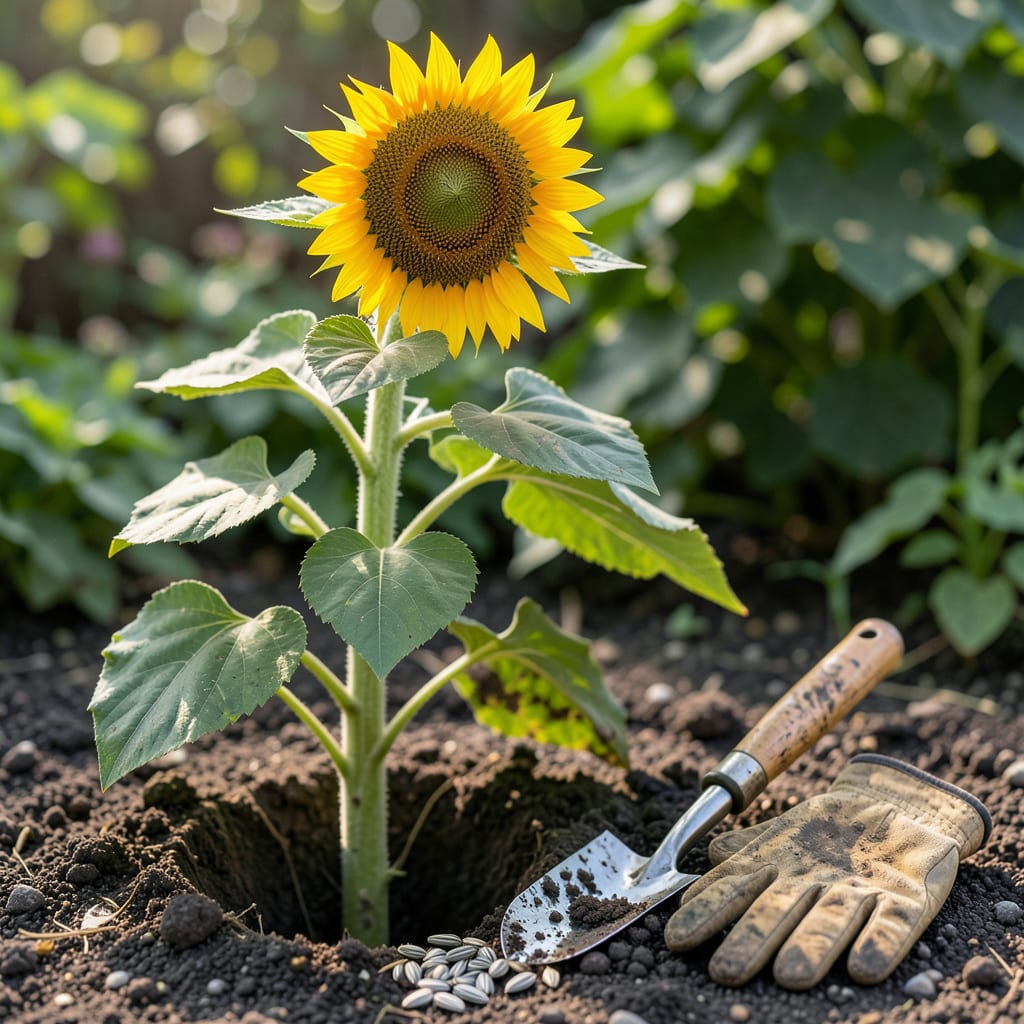
Timing can make or break your sunflower season in Virginia. Plant those cheerful 🌻 giants too early, and a late frost might wipe out your hard work. Wait too long? You’ll miss the window for those towering, sun-kissed blooms that make summer unforgettable.
After years of testing and tweaking, I’ve nailed down the perfect planting windows for every corner of the state—from the coastal plains to the mountains. Let’s cut through the guesswork so you can grow sunflowers that turn heads all season long.
Virginia’s diverse climate means sunflower planting isn’t one-size-fits-all. The coastal plains near Norfolk warm up faster than the mountainous regions around Roanoke, so timing varies. I’ll break down the ideal windows for each area, factoring in last frost dates and soil temps.
For most of Virginia, aim to plant after the last frost when soil hits 55°F. But if you’re in the mountains, you’ll need to wait a bit longer. Let’s look at the specifics for your region so you can plant with confidence.
| Region | Last Frost Date | Planting Window | Soil Temp |
|---|---|---|---|
| Coastal (Norfolk, Virginia Beach) | March 28 | Early April – Mid-May | 55°F+ |
| Piedmont (Richmond, Charlottesville) | April 10 | Mid-April – Late May | 55°F+ |
| Mountains (Roanoke, Shenandoah) | April 25 | Late April – Early June | 55°F+ |
In the coastal areas, you can start as early as April 1 if the soil is warm enough. Use a soil thermometer to check—don’t rely on air temps alone. If you’re eager, try ‘Moulin Rouge’ sunflowers, which tolerate cooler soil better than most.
For the Piedmont region, mid-April is your sweet spot. This area’s moderate climate gives you flexibility, but watch for late frosts. I recommend planting in two batches, two weeks apart, to extend your bloom season into early fall.
Mountain gardeners need patience. Wait until late April or even early May to avoid frost damage. If you’re at higher elevations, consider container planting—you can move pots indoors if a cold snap hits. ‘Teddy Bear’ sunflowers are a great compact choice here.
No matter where you are, soil prep is key. Sunflowers thrive in well-draining soil with plenty of organic matter. Work in 2–3 inches of compost before planting, and space seeds 6–12 inches apart for standard varieties (closer for dwarfs).
If you’re planting giant sunflowers like ‘Russian Mammoth,’ give them 2–3 feet of space and a wind-sheltered spot. These beasts can top 12 feet in Virginia’s summer heat, so plan accordingly. Stake them early to prevent toppling in storms.
For cutting gardens, succession plant every 2–3 weeks until early July. This ensures fresh blooms all summer. I love ‘ProCut’ series for their long stems and vibrant colors—they’re perfect for bouquets and last 7–10 days in a vase.
Remember, sunflowers are heavy feeders. Mix a balanced fertilizer (10-10-10) into the soil at planting, then side-dress with compost every 4–6 weeks. Avoid overwatering—deep soaks once a week are better than daily sprinkles.
Watch for pests like birds and squirrels once seeds form. I use lightweight netting to protect heads while still allowing pollinators access. If you’re growing for seeds, cover heads with paper bags when they start to droop to catch any that fall.
Even experienced gardeners can trip up when planting sunflowers in Virginia’s unpredictable climate. The biggest mistakes often stem from misjudging frost dates, skipping soil prep, or crowding seeds. Let’s tackle these pitfalls head-on so your sunflowers don’t just survive—they thrive.
Virginia’s humid summers and variable spring frosts create unique challenges. Coastal gardeners battle salt spray and early warmth, while mountain growers face late frosts and cooler soils. Here’s how to sidestep the most common blunders for your region.
In coastal Virginia, the temptation to plant in late March is strong, but resist! Soil temps often lag behind air temps. I’ve lost entire rows of ‘Autumn Beauty’ sunflowers to damping-off from cold, wet soil. Wait until soil reaches 55°F—use a thermometer, not guesswork.
The Piedmont’s heavy clay is another silent killer. Sunflowers need loose, well-draining soil to develop strong roots. If your soil clumps when wet, mix in 3 inches of compost and perlite. For severe clay, consider raised beds filled with a 50/50 blend of garden soil and compost.
Mountain gardeners, don’t let late frosts catch you off guard. Even if air temps are mild, cold pockets in valleys can zap young seedlings. I’ve had success using row covers on early plantings of ‘Lemon Queen.’ Remove covers during the day to prevent overheating, and secure edges tightly to block wind.
Another universal mistake? Overcrowding seeds. Sunflowers need room to shine—literally. Plant dwarf varieties like ‘Teddy Bear’ 6 inches apart, but give giants like ‘Russian Mammoth’ 2–3 feet. Crowded plants compete for nutrients, leading to weak stems and smaller blooms. Thin seedlings to the strongest one per spot when they’re 2–3 inches tall.
Finally, don’t forget about watering consistency. Virginia’s summers can swing from drought to downpour. Sunflowers need 1–1.5 inches of water weekly, but avoid overhead watering to prevent fungal diseases like powdery mildew. Use soaker hoses or drip irrigation at the base, and water in the early morning to let foliage dry before evening.
If you’re growing sunflowers for cut flowers, harvest at the right time—when the back of the head turns yellow but before seeds fully mature. For seed production, leave heads on the plant until they droop and dry, then cover with paper bags to catch seeds as they fall. This simple step saves hours of cleanup later! 🌻
Not all sunflowers are created equal—especially in Virginia’s varied climate. Choosing the right variety can mean the difference between wimpy blooms and showstopping giants. I’ve tested dozens of types, and these are the top performers for our state’s unique conditions.
For short-season areas (like the mountains) or late starters, focus on fast-maturing varieties that bloom in 60–70 days. Coastal and Piedmont gardeners can experiment with taller, longer-season types that need 90+ days to reach their full glory.
| Variety | Days to Maturity | Height | Best For |
|---|---|---|---|
| Moulin Rouge | 60–70 days | 4–6 ft | Early blooms, coastal areas |
| ProCut Orange | 60–75 days | 5–7 ft | Cut flowers, Piedmont |
| Russian Mammoth | 100–120 days | 10–12 ft | Giant blooms, long seasons |
| Teddy Bear | 70–80 days | 2–3 ft | Containers, small spaces |
If you’re in the mountains or short-season areas, ‘Moulin Rouge’ is your best bet. This burgundy-red beauty thrives in cooler soils and blooms fast—perfect for areas where summer feels short. It’s also drought-tolerant, making it ideal for Virginia’s unpredictable rainfall.
For cut flower gardens, ‘ProCut Orange’ is a game-changer. Its long stems and vibrant orange petals hold up beautifully in bouquets. I plant these in succession every 2 weeks until early July to keep my vase full all summer. They’re also pollinator magnets, so expect plenty of bees and butterflies.
Want jaw-dropping height? ‘Russian Mammoth’ can tower over 10 feet in Virginia’s heat. These giants need rich soil and wind protection, but the reward is dinner-plate-sized blooms. Stake them early with bamboo poles—trust me, you don’t want these toppling in a summer storm!
For small spaces or containers, ‘Teddy Bear’ is a charmer. Its fluffy, double blooms stay compact at 2–3 feet, making it perfect for patios or balcony gardens. Kids love these, and they’re great for beginner gardeners since they’re low-maintenance and quick to bloom.
No matter which variety you choose, remember that sunflowers are heavy feeders. Work in aged compost before planting, and side-dress with a balanced fertilizer (like 10-10-10) when plants are 1 foot tall. Avoid high-nitrogen mixes—they’ll give you tall stems but fewer blooms.
Finally, don’t forget to rotate your sunflower spots each year. They’re susceptible to fungal diseases if planted in the same place repeatedly. I like to follow sunflowers with legumes (like beans or peas) the next season to naturally replenish the soil. Happy planting! 🌻
You can start as early as April 1 in coastal areas like Norfolk, but only if the soil has warmed to at least 55°F. Use a soil thermometer to confirm—don’t rely on air temperature alone. If you’re eager, try cold-tolerant varieties like ‘Moulin Rouge’.
Stake giant varieties like ‘Russian Mammoth’ early with bamboo poles or metal stakes. For extra security, tie stems loosely with soft garden twine. If planting in windy areas, position sunflowers near a fence or wall for natural shelter.
Choose compact varieties like ‘Teddy Bear’ (2–3 ft tall) and use containers at least 12 inches deep. Ensure pots have drainage holes and use a well-draining potting mix. Place in full sun (6+ hours daily) and water consistently.
Yellow leaves often signal overwatering or poor drainage, especially in Virginia’s clay-heavy Piedmont soil. Check that your planting area isn’t waterlogged. If soil is soggy, amend with compost or perlite. Yellowing can also indicate nitrogen deficiency—side-dress with a balanced fertilizer.
Cover developing seed heads with lightweight netting or paper bags once they begin to droop. Secure the covering loosely to allow airflow while blocking pests. For a natural deterrent, hang shiny reflective tape nearby to scare off birds.
