
Beautiful Plants For Your Interior
Beautiful Plants For Your Interior
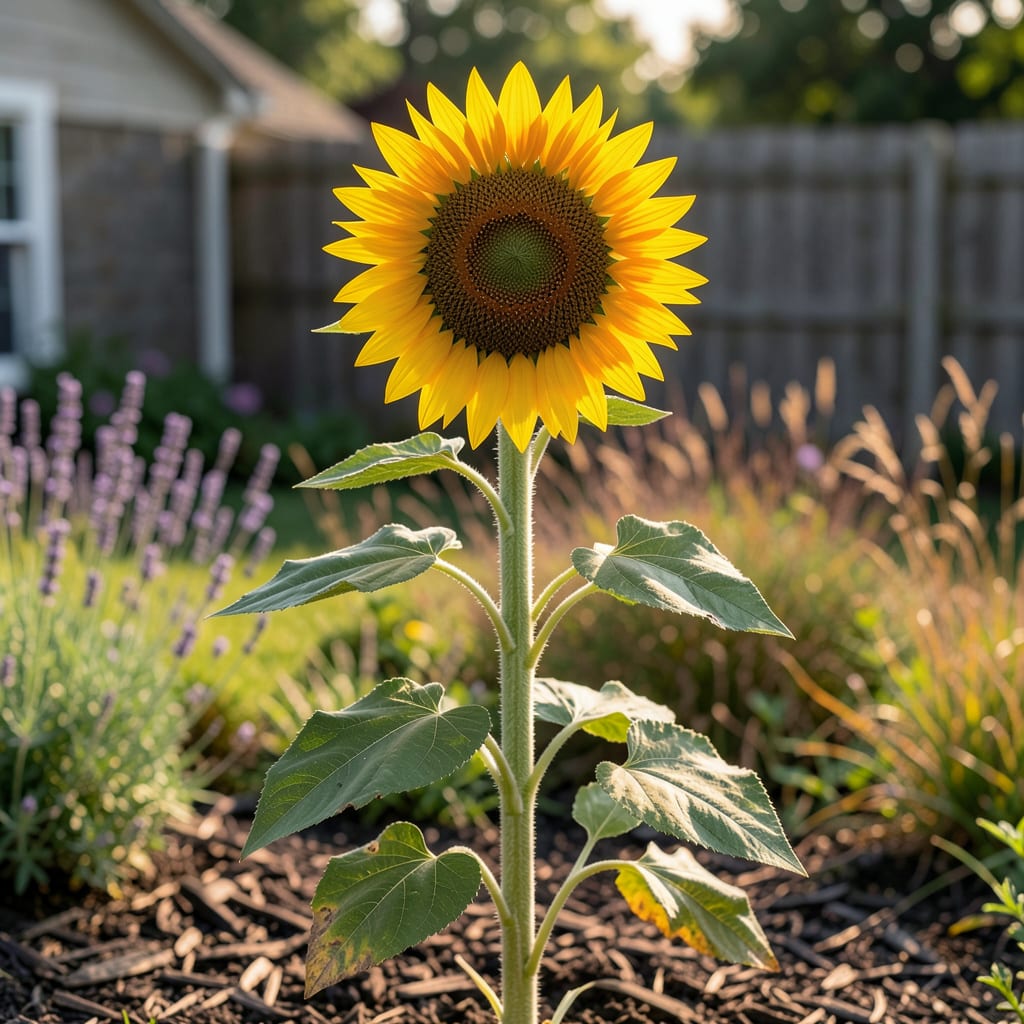
There’s nothing quite like watching a field of towering sunflowers sway in the Tennessee breeze—but timing your planting wrong could leave you with wilted stems instead of vibrant blooms. I’ve seen too many gardeners miss their window, only to battle frost or scorching heat later.
After testing different approaches across Tennessee’s zones, I’ll show you exactly when to get those seeds in the ground for perfect sunflowers every time. Whether you’re in Memphis or the Smokies, this is the no-guesswork guide you’ve been waiting for.
Tennessee’s diverse climate zones mean sunflower planting dates vary dramatically from Memphis to Mountain City. I’ve tracked frost dates and soil temps across the state to pinpoint the perfect windows for each region. The key? Aligning with your last frost date and soil warmth.
In West Tennessee (Zone 7b-8a), you can plant 2-3 weeks earlier than the mountains. East Tennessee gardeners (Zone 6b-7a) need to wait until mid-April for safety. Middle Tennessee (Zone 7a) hits the sweet spot around early April for most varieties.
*Based on 10-year average frost dates. Adjust ±7 days for microclimates.
For fall-planted sunflowers, aim for late July to early August sowing. These will bloom in September-October, but watch for early frosts in higher elevations. I’ve had great success with ‘Autumn Beauty’ varieties for fall color, especially in Middle Tennessee.
The soil temperature sweet spot is 50-55°F. Use a soil thermometer—don’t guess! In Nashville, this typically happens around March 20, but in Chattanooga, you might wait until April 5. Cold soil leads to rotten seeds, so patience pays off.
If you’re dealing with clay-heavy soil (common in West TN), plant 1-2 weeks later than suggested. The dense soil stays cooler longer. Amend with compost to improve drainage and warmth. I’ve seen germination rates double with this simple fix.
For container sunflowers, you can start seeds indoors 3-4 weeks earlier than outdoor dates. Use biodegradable pots to avoid transplant shock. Move outdoors after hardening off—when night temps stay above 45°F.
Watch the 10-day forecast before planting. If nighttime lows will dip below 40°F, hold off or use row covers. I lost an entire batch of ‘Mammoth’ sunflowers to a late April freeze in Knoxville—lesson learned!
Pro tip: Plant succession crops every 2 weeks until June 1 for continuous blooms. This works especially well with dwarf varieties like ‘Teddy Bear’. Pair with pollinator-friendly varieties to support local bees through summer.
Remember, sunflower roots hate soggy soil. If spring rains are heavy, plant on raised mounds or in well-draining beds. I use a 50/50 mix of garden soil and compost for best results across Tennessee’s varied landscapes.
Not all sunflower varieties thrive equally in Tennessee’s climate. I’ve tested everything from towering giants to compact dwarfs, and timing makes all the difference. Giant sunflowers need an early start, while dwarf varieties can handle later planting.
If you’re after quick blooms, fast-maturing varieties like ‘Autumn Beauty’ can be planted as late as June. But for those iconic 10-foot giants, you’ll want to start seeds in late March or early April—just after the last frost threat passes.
*Planting windows based on USDA Zone 7a (Middle Tennessee). Adjust ±2 weeks for East/West regions.
For heat-tolerant varieties like ‘Lemon Queen’, you can push planting into early May without sacrificing blooms. These handle Tennessee’s summer humidity better than most. Just ensure soil stays moist during germination—dry spells can stall sprouting.
If you’re planting for seed harvest, ‘Mammoth’ varieties need the longest season. I’ve found they perform best when sown 4-6 weeks before the last frost (around mid-March in Nashville) under row covers for protection.
Pro tip: For succession planting, sow a new batch every 2-3 weeks until early June. This extends your bloom season into late summer. Pair taller varieties with dwarf sunflowers for a layered look that thrives in Tennessee’s climate.
Remember, soil temperature matters more than calendar dates. Use a soil thermometer—sunflower seeds germinate best when soil hits 50-55°F. In West Tennessee, this often happens 1-2 weeks earlier than in the mountains.
Even experienced gardeners can stumble when growing sunflowers in Tennessee. I’ve made (and fixed) these mistakes myself—so you don’t have to. The biggest issue? Ignoring microclimates. A planting date that works in Memphis might fail in the Smokies.
First up: planting too early. I once lost an entire row of ‘Mammoth’ sunflowers to a late April frost in Knoxville. Always check your local frost dates—not just the zone average. East Tennessee’s higher elevations can be 2-3 weeks behind Nashville’s planting window.
Another critical error: using the wrong fertilizer. Sunflowers need low-nitrogen food (5-10-10 works best). Too much nitrogen = tall, weak stems that flop. I switched to a phosphorus-heavy mix and saw thicker stems and bigger blooms.
Don’t forget about wind protection! Tennessee’s spring storms can snap young sunflowers. I use bamboo stakes for varieties over 6 feet tall. For containers, move pots to sheltered spots during thunderstorms—those heavy heads act like sails.
Finally, watch for powdery mildew in humid summers. Space plants for airflow and water at the base only. I lost a ‘Lemon Queen’ patch to mildew until I started using neem oil spray preventatively every 2 weeks.
Remember, Tennessee’s unpredictable springs mean flexibility is key. Keep row covers handy for late frosts and be ready to adjust watering during sudden heatwaves. Your sunflowers will thank you with sky-high blooms! 🌻
In West Tennessee (Zones 7b-8a), you can start as early as late February for some varieties. However, March 1-15 is safest for most types. Always check soil temperature—it should be at least 50°F for best germination.
East Tennessee (Zones 6b-7a) typically runs 2-3 weeks behind Middle and West regions. Aim for mid-April to early May planting. Higher elevations near the Smokies may need an extra week of caution due to cooler soil.
Yes, but timing is critical. Sow seeds in late July to early August for September-October blooms. Choose fast-maturing varieties like ‘Autumn Beauty’ and watch for early frosts, especially in East Tennessee. Fall-planted sunflowers often need extra water during August heat.
Planting too early in cold soil! I’ve seen entire crops lost to late frosts, especially in higher elevations. Always wait until soil reaches 50°F and night temps stay above 40°F. A soil thermometer is your best tool—don’t rely on calendar dates alone.
Use bamboo stakes for tall varieties and row covers for frost protection. For container plants, move pots to sheltered areas during thunderstorms. Tennessee’s spring winds can snap stems, so staking early prevents disappointment later.
