
Beautiful Plants For Your Interior
Beautiful Plants For Your Interior
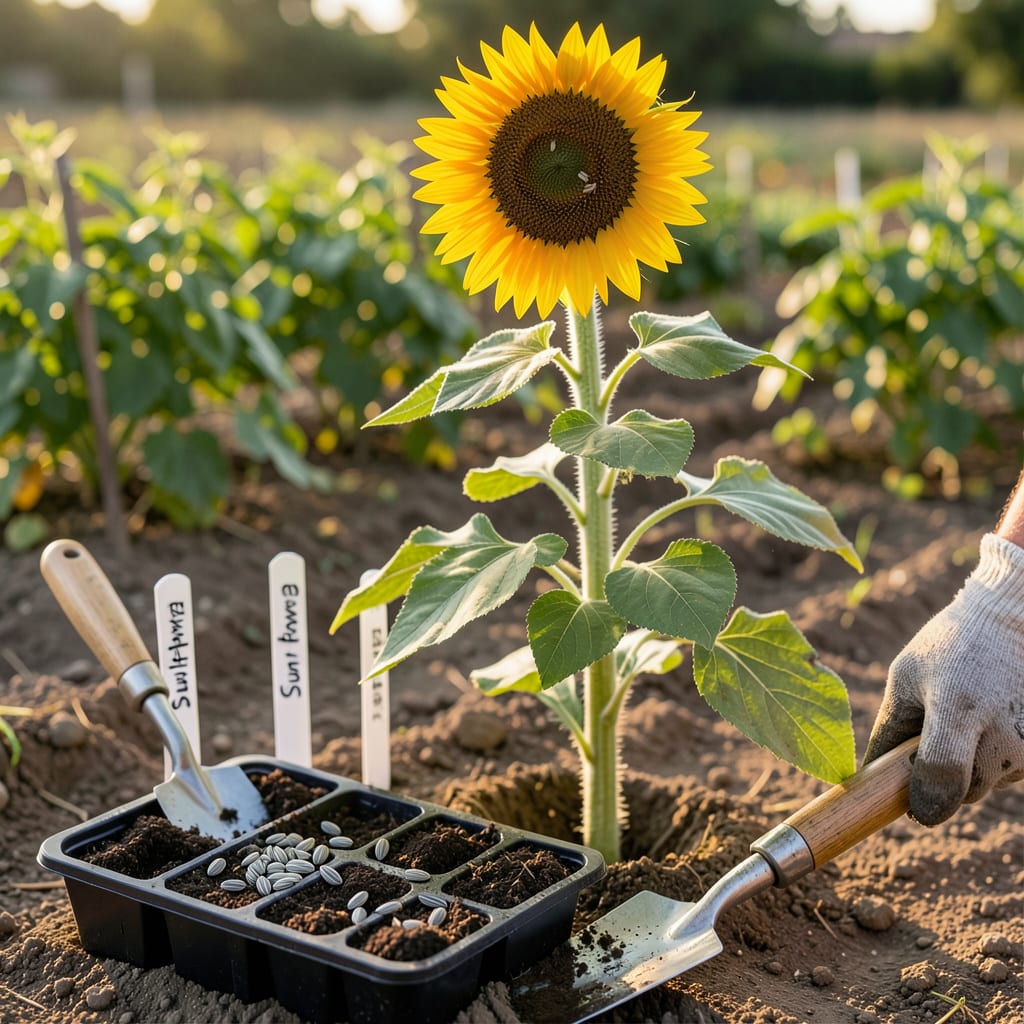
Nothing beats the sight of towering 🌻 Sunflowers swaying in Oklahoma’s summer breeze—but timing your planting wrong can leave you with stunted stems instead of showstoppers. I’ve seen too many gardeners miss their window, only to watch seeds struggle in the heat or get zapped by a late frost.
Here’s the good news: With Oklahoma’s Zone 7a climate, you’ve got a prime opportunity to grow sunflowers that reach for the sky. I’ll show you exactly when to plant for those perfect 10-foot giants—and how to avoid the mistakes that ruin most crops.
If you’ve ever dreamed of a backyard filled with golden sunflowers stretching toward the Oklahoma sky, timing is your secret weapon. Oklahoma’s three distinct climate zones—Eastern, Central, and Western—each have their own rules for planting. Get it right, and you’ll have 10-foot giants by summer.
The key? Watch your last frost date and soil temperature. Sunflower seeds won’t germinate until the soil hits 55°F or warmer. In Oklahoma, that typically means planting between mid-April and early May for spring crops—or late July for fall blooms.
| Region | Last Frost Date | Spring Planting Window | Fall Planting Window |
|---|---|---|---|
| Eastern OK | April 10 | April 15–May 10 | July 20–August 10 |
| Central OK | April 15 | April 20–May 15 | July 25–August 15 |
| Western OK | April 20 | April 25–May 20 | August 1–August 20 |
*Soil temp should be 55°F+ for germination. Use a soil thermometer for accuracy.
In Eastern Oklahoma, where humidity and rainfall are higher, you can push your planting dates a bit earlier. But in the drier Western regions, waiting until late April ensures your seeds won’t dry out in unpredictable spring winds. Always check your local frost dates—Oklahoma City and Tulsa can vary by a week or more!
For fall sunflowers, aim to plant 10–12 weeks before the first frost. This gives them enough time to mature before cold weather hits. I’ve found that ‘Autumn Beauty’ and ‘Moulin Rouge’ varieties thrive in Oklahoma’s fall conditions, offering a second wave of color when most gardens are fading.
Don’t forget about microclimates! If you’re in a low-lying area, frost might linger longer. Urban gardens (like in OKC) often warm up faster thanks to heat islands. When in doubt, use a soil thermometer—it’s the only way to know for sure if your soil is ready.
If you’re planting giant sunflowers (like ‘Russian Mammoth’), give them extra time. These behemoths need 120+ days to reach their full height, so early planting is critical. For dwarf varieties (like ‘Teddy Bear’), you’ve got more flexibility—they mature in just 60–70 days.
Pro tip: Succession planting works wonders in Oklahoma. Sow a new batch of seeds every 2–3 weeks from April through June. This staggers your blooms, so you’ll have sunflowers from July through September—perfect for cut flowers or seed harvesting.
Watch the 10-day forecast before planting. If nighttime temps are still dipping below 50°F, hold off. Sunflower seeds rot easily in cold, wet soil. I learned this the hard way after an early April planting got wiped out by a surprise frost in Stillwater.
Once your seeds are in the ground, keep the soil consistently moist (but not soggy) until germination. Oklahoma’s clay-heavy soil can crust over, making it tough for seedlings to break through. A light layer of mulch helps retain moisture and prevents weed competition.
Even with perfect timing, a few simple mistakes can turn your sunflower dreams into a disappointing flop. Oklahoma’s clay soil, unpredictable winds, and scorching summers create unique challenges. I’ve seen gardeners lose entire crops to these avoidable errors—don’t let it happen to you!
The biggest culprit? Overwatering seedlings. Sunflowers hate soggy roots, especially in Oklahoma’s poor-draining clay. Too much water leads to rot before seeds even sprout. Stick to 1 inch per week until plants establish—then you can ease up. Trust me, they’re tougher than they look!
Another silent killer? Planting the wrong variety. Not all sunflowers are created equal—some wilt in Oklahoma’s summer heat, while others thrive. For example, ‘Russian Mammoth’ needs 120+ days to mature, which is risky in Western OK’s short season. Opt for ‘Autumn Beauty’ if you’re planting late.
Oklahoma’s clay soil is notorious for compacting, which suffocates roots. Before planting, work in 2–3 inches of compost to improve drainage. I also recommend raised beds if your soil is heavy. Sunflowers in well-amended soil grow 30% taller with stronger stems—worth the extra effort!
Don’t forget about wind damage. Oklahoma’s spring storms can flatten young sunflowers overnight. If you’re growing giant varieties (8+ feet), stake them early with bamboo poles or plant them along a windbreak. Even ‘Teddy Bear’ dwarf types benefit from shelter in exposed areas.
Finally, fertilizer overuse is a common misstep. Sunflowers don’t need rich soil—too much nitrogen leads to weak stems that topple. A single balanced 10-10-10 feed at planting is plenty. For organic gardens, compost tea works wonders without overloading the soil.
Here’s my golden rule: When in doubt, plant less and care more. Five healthy sunflowers will outshine a row of struggling ones. Focus on soil prep, proper spacing (12–18 inches apart), and consistent moisture—and you’ll be rewarded with those iconic golden blooms all summer long. 🌻
Not all sunflowers are built for Oklahoma’s scorching summers and whipping winds. After years of testing, I’ve found the varieties that laugh at 100°F heat and stand tall against spring storms. The secret? Choosing cultivars bred for drought tolerance and sturdy stems.
For giant sunflowers, ‘Russian Mammoth’ is a classic—but it needs 120+ days to mature, so plant early. If you’re in Western Oklahoma with its shorter season, try ‘Giant Sungold’, which matures faster and handles heat like a champ. Both reach 10–12 feet with proper care.
For smaller gardens, ‘Soraya’ is a game-changer. This dwarf variety (just 4–5 feet tall) packs a punch with vibrant orange blooms and handles clay soil better than most. It’s also disease-resistant, which is a bonus in Oklahoma’s humid eastern regions.
If you’re planting for cut flowers, ‘ProCut’ series (like ‘ProCut Orange’) is your best bet. These hybrids are bred for long stems and vase life, plus they’re wind-resistant. I’ve grown them in Norman with zero staking—just plant in a sheltered spot and watch them shine.
For pollinator gardens, ‘Autumn Beauty’ and ‘Lemon Queen’ are superstars. Their open centers provide easy access for bees, and they bloom late into summer when other flowers fade. Pair them with native Oklahoma wildflowers like black-eyed Susans for a low-water powerhouse combo.
No matter which variety you choose, soil prep is key. Work in 2–3 inches of compost to help roots penetrate Oklahoma’s tight clay. For giant varieties, add a handful of bone meal to the planting hole—it strengthens stems for those 12-foot monsters. And always mulch to retain moisture in the summer heat. 🌱
Sunflower seeds need soil at least 55°F to germinate properly. In Oklahoma, this usually happens 2–3 weeks after the last frost, around mid-April for most regions. Use a soil thermometer for accuracy—it’s the best way to avoid rot.
Yes, but timing is critical. For fall blooms, plant seeds in late July to early August. Choose heat-tolerant varieties like ‘Moulin Rouge’ and keep soil moist. Avoid mid-summer planting—the extreme heat can stress young seedlings.
Stake tall varieties (over 6 feet) with bamboo poles or plant near a fence. For extra support, mound soil around the base when plants reach 3 feet tall. Dwarf types like ‘Teddy Bear’ still benefit from sheltered spots.
Work in 2–3 inches of compost to improve drainage and add organic matter. For giant sunflowers, mix in a handful of bone meal to strengthen stems. Raised beds help if your soil is particularly heavy.
Water deeply once a week (about 1 inch) until established. In peak summer heat, increase to 2–3 times weekly, especially for young plants. Always water in the early morning to reduce evaporation.
