
Beautiful Plants For Your Interior
Beautiful Plants For Your Interior
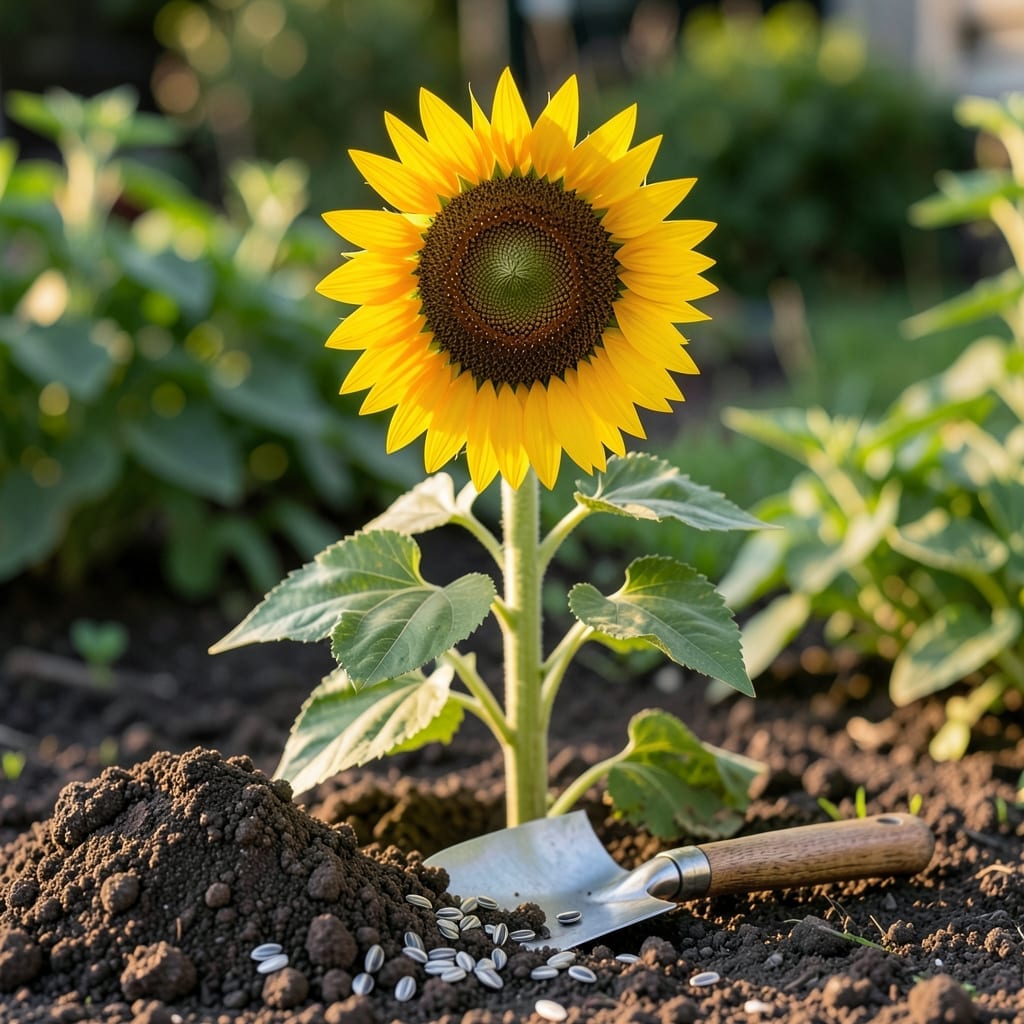
Timing is everything when it comes to planting Sunflower 🌻 in North Carolina—plant too early and a late frost could wipe out your seedlings.
But wait too long and you might miss the peak growing season. Getting this right means the difference between struggling sprouts and towering blooms.
I’ve learned the hard way that North Carolina’s climate demands precision. The window is narrower than you might think, especially in our 7b-8a zones.
Discover the perfect moment to sow your seeds for vibrant results that will make your garden the envy of the neighborhood.
North Carolina’s diverse climate means your sunflower planting window varies by region. In the Coastal Plains, the mild winters allow for earlier planting, while the Mountains have a shorter growing season that demands later starts.
For all areas, the golden rule is waiting until soil temperatures reach at least 55-60°F. This ensures your seeds germinate quickly and avoid rot in the damp spring soil.
| Region | Planting Window | Last Frost Date |
|---|---|---|
| Coastal Plains | Mid-March to early May | March 15-30 |
| Piedmont | Early April to mid-May | April 1-15 |
| Mountains | Late April to early June | April 15-May 1 |
The Piedmont region, including cities like Raleigh and Charlotte, experiences its last frost around April 1-15. This makes early April to mid-May the sweet spot for planting.
In the Coastal Plains, where winters are warmer, you can start as early as mid-March. But watch for unexpected cold snaps that could damage young seedlings.
For the Mountain region, with its cooler climate and higher elevation, late April to early June is ideal. The growing season here is shorter, so fast-maturing varieties work best.
I always recommend using a soil thermometer to check conditions. If the soil is still below 55°F at your planned planting time, wait a week and test again.
Early varieties like ‘Autumn Beauty’ or ‘Moulin Rouge’ can be planted at the earlier end of the window. For giant sunflowers like ‘Mammoth’, aim for the middle of your region’s planting period.
Remember that sunflowers need full sun—at least 6-8 hours daily—so choose your spot carefully. In North Carolina’s humid summers, good air circulation helps prevent fungal diseases.
If you’re succession planting for continuous blooms, space your plantings about 2-3 weeks apart within your region’s window. This technique works particularly well in the Coastal Plains with its longer growing season.
🌻
To get those towering sunflowers with vibrant blooms in North Carolina, start with well-draining soil. I always mix in compost or aged manure before planting to give seeds a nutrient boost.
Space your seeds 12-18 inches apart for dwarf varieties or 24-36 inches for giants. This prevents overcrowding and ensures each plant gets enough sunlight and airflow.
In North Carolina’s humid climate, fungal diseases can be a problem. I combat this by watering in the morning so foliage dries quickly, and spacing plants for good air circulation.
For pest control, I use chicken wire cloches around young seedlings to deter squirrels. Deer are trickier—8-foot tall fencing or deer repellent sprays work best for me.
If you want bigger blooms, consider side-dressing with a low-nitrogen fertilizer when plants are about 12 inches tall. This encourages flower production rather than leafy growth.
Remember that sunflowers are heavy feeders. A balanced fertilizer applied at planting and again when buds form can make a noticeable difference in bloom size and stem strength.
☀️